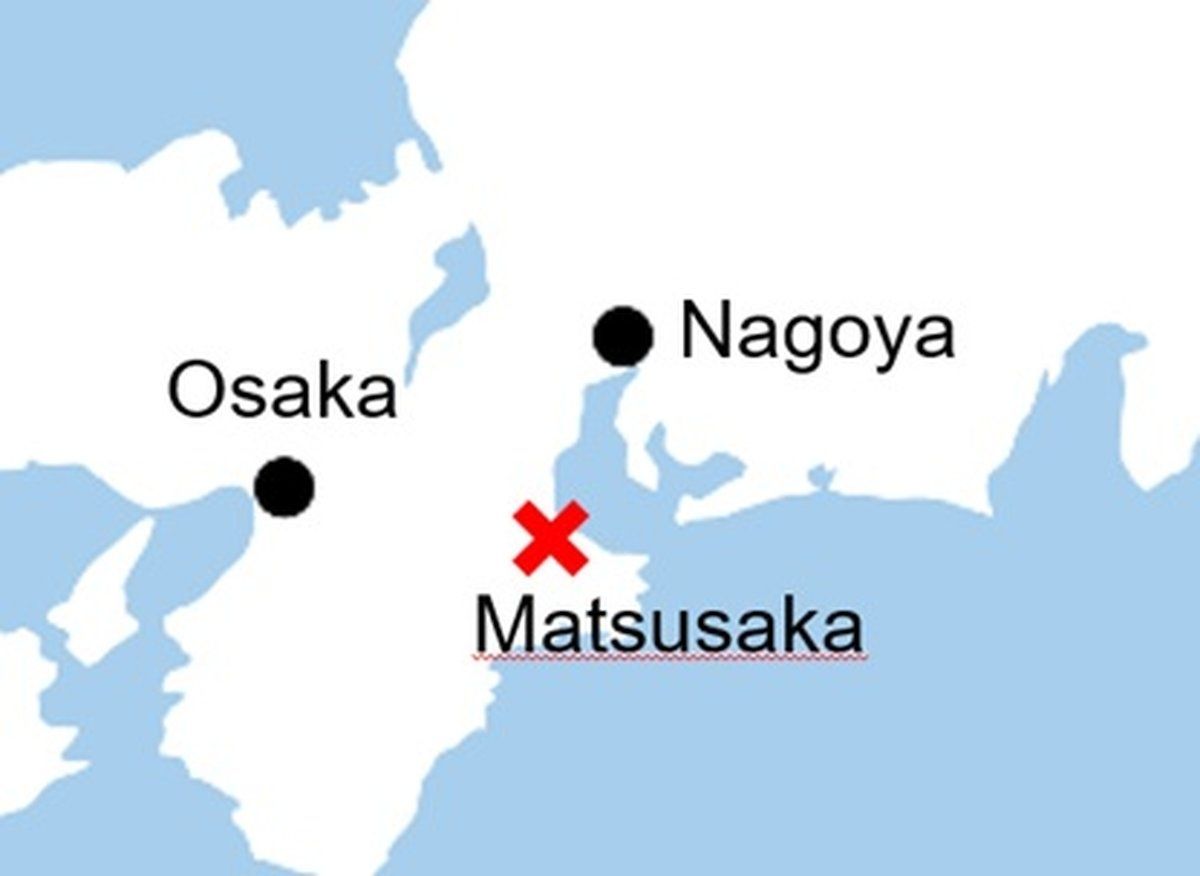
A 35-year-old resident of Matsusaka in Mie Prefecture, Japan, has been arrested following allegations that he confined his partner's young daughter inside a garbage can as a form of punishment. Police confirmed the arrest occurred on Thursday, June 18, after the man admitted to the incident that took place on May 12 at his partner's residence in the same prefecture.
According to law enforcement accounts, the suspect allegedly carried the five-year-old girl to a garbage container at approximately 6.30pm and placed her inside before closing the lid. The child remained trapped in the bin for about five minutes before being removed. Despite her harrowing ordeal, the girl sustained no physical injuries from the confinement.
The suspect characterised his actions as a disciplinary measure, a characterisation that prompted authorities to investigate further. Such claims about punishment methods have drawn increasing scrutiny from child protection agencies across Japan and internationally, as awareness grows around what constitutes appropriate versus abusive discipline. The distinction between corrective measures and child abuse remains a contentious issue in family law and child welfare contexts throughout the region.
The incident only came to official attention eight days later, on May 20, when a child welfare centre learned of the confinement through undisclosed channels and immediately reported the matter to police. This eight-day delay raises questions about reporting mechanisms and how such incidents reach authorities—a concern relevant to Malaysian child protection frameworks as well, where timely notification of suspected abuse can be critical to preventing further harm.
Following the welfare centre's intervention, authorities took additional protective action by placing the girl's older sibling into protective custody. This decision suggests that investigators identified broader concerns about the home environment beyond the single incident, warranting safeguarding measures for other children in the household. The removal of both children from the home indicates that authorities assessed ongoing risk factors that necessitated their separation from the adult in question.
The case highlights persistent challenges in child protection across developed nations, including Japan. Despite strong legal frameworks and mandatory reporting requirements in many jurisdictions, incidents of physical and psychological abuse within domestic settings continue to occur. The fact that this incident took eight days to reach authorities underscores gaps in detection and reporting mechanisms, whether through neighbours, schoolteachers, or extended family members.
For Malaysian readers, this incident carries particular resonance given ongoing discussions about corporal punishment and discipline methods in Southeast Asia. While Malaysia maintains legal prohibitions against child abuse and operates through established child welfare institutions such as the Department of Social Welfare, public awareness campaigns and enforcement mechanisms remain areas of ongoing development. Understanding how other jurisdictions respond to reported child abuse cases can inform local discourse around acceptable discipline boundaries and protective interventions.
The Mie Prefecture case also reflects broader cultural shifts in Japan regarding parenting practices. Over recent decades, Japanese society has increasingly questioned traditional discipline methods, moving toward greater emphasis on psychological wellbeing and non-violent approaches to child-rearing. This philosophical evolution mirrors similar trends in Malaysia and other Southeast Asian nations, though implementation and consistency vary significantly across communities and socioeconomic groups.
Police investigations into such cases typically examine not only the immediate act but also patterns of behaviour, witness accounts, and family dynamics that may have contributed to or enabled the abuse. The fact that the suspect promptly admitted to the charge suggests either a straightforward acknowledgment or potentially a misunderstanding of the seriousness of his actions. Either way, the admission likely expedited the legal process and ensured the children's protective removal from the home.
The involvement of a child welfare centre rather than direct complaint by a family member points to the critical role these institutions play in identifying at-risk children. In Japan, as in Malaysia, these centres serve as crucial intermediaries between potential victims and the formal criminal justice system, often gathering initial evidence and conducting preliminary investigations before police involvement.
Looking forward, this case demonstrates the importance of comprehensive child protection systems that include not only robust legal penalties for perpetrators but also accessible reporting mechanisms, rapid response protocols, and sustained support for affected children and their families. The psychological impact of such confinement on a young child extends beyond immediate physical safety, potentially affecting developmental outcomes and emotional wellbeing—considerations that drive ongoing reforms in child welfare approaches across Asia.

