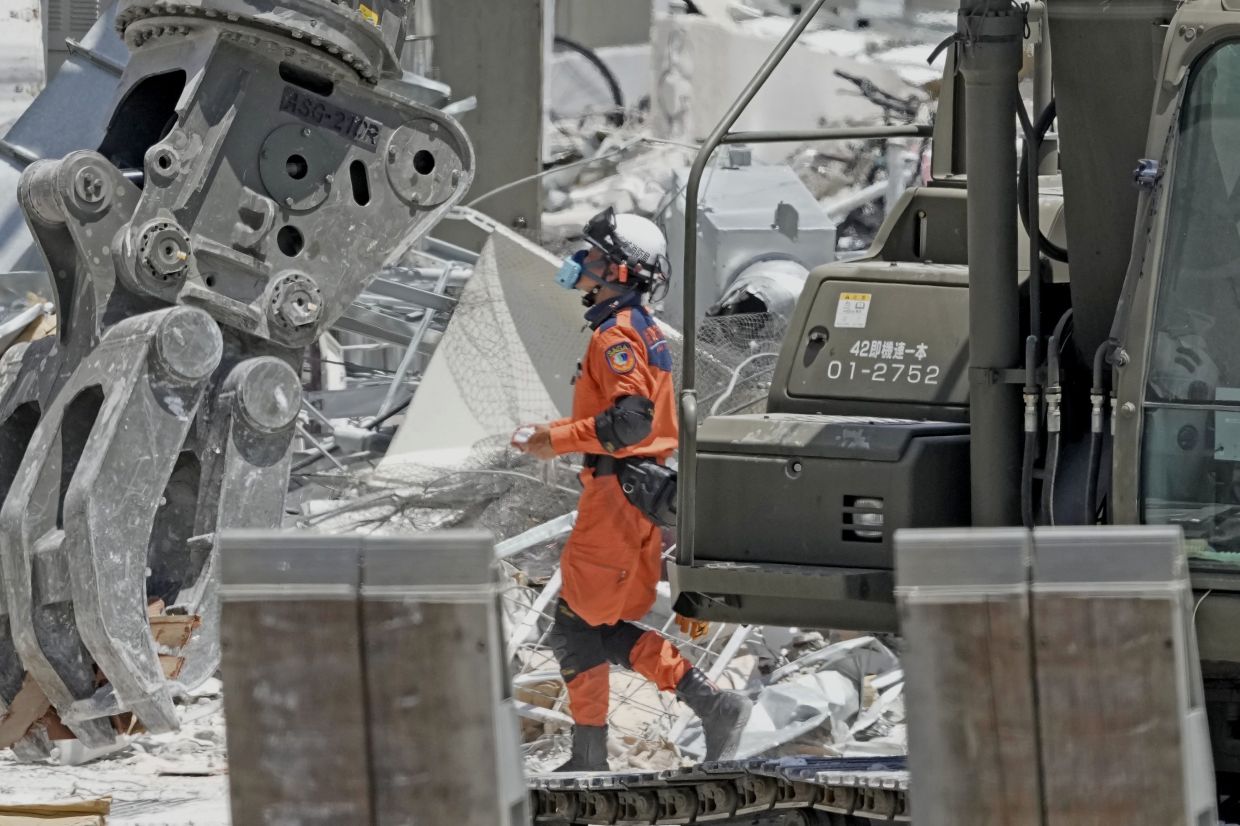
Japan's Economy, Trade and Industry Ministry has determined that a liquefied petroleum gas leak most likely triggered the catastrophic explosion that devastated Aeon Mall Kumamoto on July 28, according to an official statement issued on August 5. The incident, which claimed the lives of three shopping mall employees, has raised serious questions about building safety protocols and gas management in commercial facilities across the country, particularly in earthquake-prone regions where structural integrity may be compromised by seismic activity.
The blast occurred at approximately 5.50pm on July 28, roughly 80 minutes after a significant earthquake struck the Kumamoto Prefecture region. The explosion was concentrated in the central area of the mall's second floor on the south side, causing extensive damage and raising concerns about the adequacy of emergency response procedures and safety systems in large commercial complexes. The timing of the incident—occurring well after the initial seismic event—suggests that the earthquake may have damaged gas infrastructure or created conditions conducive to gas accumulation within the building's internal network.
According to the Aeon corporation, liquefied petroleum gas serves multiple essential functions throughout the shopping mall's operations. The gas powers cooking facilities at restaurants located on the north side of the first floor, supplies energy to the food court situated on the east side of the second floor, and contributes to the mall's air conditioning system. This widespread distribution of gas infrastructure throughout the building created multiple potential points of vulnerability where leaks could develop undetected.
The gas distribution system at Aeon Mall Kumamoto operates through a complex network of underground and internal piping. A storage tank containing 9,367 kilograms of LPG is located on the mall premises, with gas flowing through an underground pipe that connects to an extensive web of distribution lines running through the building's floors and walls. This intricate piping infrastructure, while necessary for efficient operations, also multiplies the potential locations where structural damage from seismic activity could cause failures or ruptures.
Investigators discovered that the tank's LPG levels remained at approximately normal capacity at the time of the explosion, suggesting that the stored gas itself had not been substantially depleted. However, evidence points toward gas that had escaped from the distribution pipes accumulating within enclosed spaces throughout the building. Over an 80-minute period following the earthquake, enough gas may have gathered in pockets and enclosed areas to reach explosive concentrations when ignited, possibly by electrical equipment, sparks, or other ignition sources within the mall.
During searches conducted by Kumamoto prefectural police and fire department personnel following the explosion, investigators detected the distinctive odor of gas lingering inside the building. This olfactory evidence supported the theory that gas had been present in substantial quantities prior to the blast. The presence of lingering odors after the explosion occurred raised questions about why the gas accumulation had not been detected and addressed before it reached dangerous concentrations.
The investigation into the precise mechanism that caused the gas leak remains ongoing, with authorities working to determine whether the earthquake directly fractured pipes, whether poor maintenance contributed to the incident, or whether other factors combined to create conditions for the escape and accumulation of gas. Understanding the root cause is critical for implementing preventative measures across other commercial facilities in Japan that depend on similar LPG distribution systems.
For Malaysia and other Southeast Asian nations with significant earthquake risk and extensive use of LPG in commercial buildings, the Kumamoto incident offers important lessons about infrastructure resilience. Many shopping malls, restaurants, and hospitality facilities throughout the region rely on similar gas distribution systems, and the Japanese experience underscores the necessity for regular safety audits, updated inspection protocols, and rapid detection systems to identify gas leaks before dangerous concentrations develop.
The incident has prompted broader discussions in Japan about whether current building codes and safety standards adequately account for the cascading failures that can occur when seismic events damage gas infrastructure. Regulatory authorities are reassessing whether existing distance requirements between gas pipes and electrical equipment, ventilation standards, and emergency detection systems provide sufficient protection. These policy discussions will likely influence regional standards and practices across Asia's commercial real estate sector.

