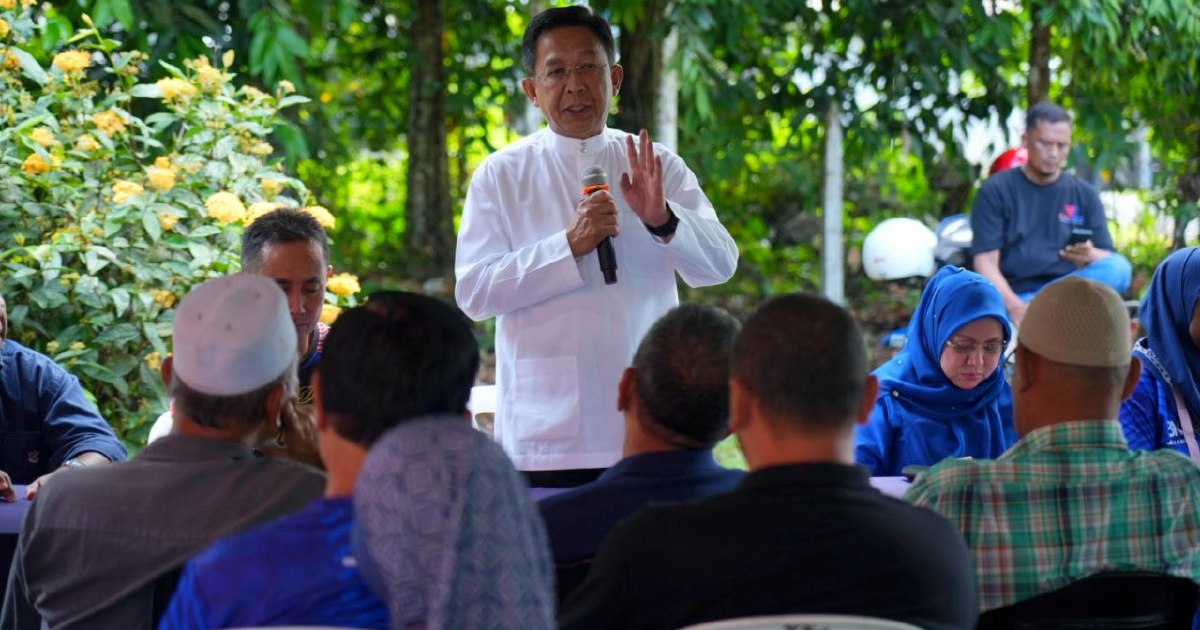
Perikatan Nasional has put forward Negri Sembilan Umno chairman Datuk Seri Jalaluddin Alias as a leading contender for the menteri besar position should the PN-BN alliance emerge victorious in the state election scheduled for August 1, signalling the coalition's internal deliberations on leadership succession in the central state.
The nomination of Jalaluddin, a senior figure within Umno's Negri Sembilan division, reflects the coalition's structured approach to state-level governance and demonstrates confidence in the veteran party stalwart's administrative credentials. His positioning as a principal candidate underscores the importance both PN and BN are placing on securing the menteri besar portfolio, which carries significant influence over state development policies and resource allocation.
The August 1 election assumes considerable weight within Malaysia's broader political landscape, as Negri Sembilan represents a swing state where coalition-building efforts have historically determined outcomes. The PN-BN understanding represents a strategic alignment aimed at consolidating support across the state's diverse constituencies, blending the organisational strength of established Barisan machinery with Perikatan's more recent political momentum in certain regions.
For Malaysian voters and political analysts, the identifiable MB prospects provide transparency regarding likely governance structures should either coalition prevail. The early flagging of such candidates allows constituencies to assess leadership capabilities and develop informed voting positions before heading to polling stations. Jalaluddin's track record within Umno circles and his tenure in the Negri Sembilan party apparatus would presumably form the basis for assessing his suitability for the executive leadership role.
The mention of Jalaluddin alongside "potential" candidates suggests the coalition has not yet finalised its leadership decision, maintaining flexibility regarding the final selection. This approach permits the PN-BN partnership to negotiate internally while reserving options should political circumstances shift during the campaign period. Such provisional positioning is customary in Malaysian state elections, where pre-election coalition negotiations often involve sequential rounds of discussion before formal commitments crystallise.
Negri Sembilan's political significance extends beyond its geographic boundaries, as outcomes there frequently carry implications for national political calculations. A decisive PN-BN victory would strengthen the coalition's parliamentary arithmetic and demonstrate voter confidence in the partnership model, potentially influencing subsequent federal-level strategic thinking. Conversely, challenges in the state election could complicate the coalition's confidence heading into future electoral contests.
The state has experienced fluctuating electoral fortunes across recent cycles, with power alternating between competing alliances. This volatility underscores the genuine competitiveness of the August 1 contest and the importance of both leadership identification and coalition cohesion. Jalaluddin's elevation as a principal MB prospect signals Umno's intention to field seasoned administrators rather than untested figures, potentially appealing to voters prioritising governmental stability and experience.
Within Negri Sembilan's electorate, perceptions of candidate quality and administrative capability significantly influence voting behaviour. The advance announcement of Jalaluddin as a leading MB prospect allows voters to form judgements regarding his policy vision, developmental priorities, and leadership style. This public vetting process, though informal, contributes to democratic accountability by permitting electorate assessment of potential chief executives before ballot casting.
The PN-BN coalition framework itself merits examination, as it represents an unusual political arrangement bringing together previously distinct political entities. This partnership's stability and internal decision-making processes will face scrutiny during the campaign, with constituent parties needing to demonstrate effective collaboration on major appointments such as the menteri besar position. How such selections are communicated and negotiated affects overall coalition credibility among voters.
For Southeast Asian observers and international analysts monitoring Malaysia's political evolution, state-level elections like Negri Sembilan's August 1 contest provide windows into coalition dynamics and electoral trends. The PN-BN partnership's trajectory through such contests influences broader patterns regarding political consolidation, alliance sustainability, and voter behaviour in the region's established democracies.
The coming weeks will likely reveal whether Jalaluddin remains the PN-BN frontrunner for the menteri besar position or whether revised circumstances prompt recalibration of the coalition's leadership strategy. Campaign dynamics, local issue prominence, and voter sentiment will collectively shape the election outcome and, by extension, whether Jalaluddin's candidacy translates into actual appointment to the state's highest executive office.

