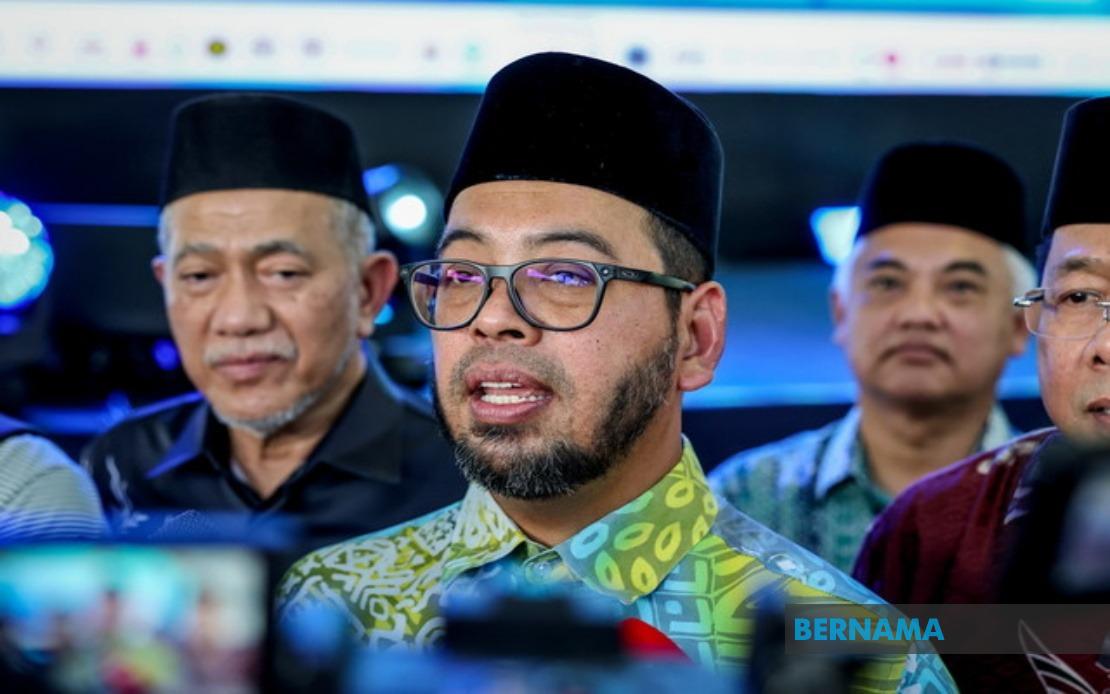
The Department of Islamic Development Malaysia (JAKIM) is moving to establish uniform funeral management standards across the country, an initiative sparked by a recent incident that drew widespread public attention online. Minister in the Prime Minister's Department (Religious Affairs) Dr Zulkifli Hasan announced the development initiative while acknowledging that individual states have operated under varying protocols, creating inconsistency in how funeral procedures are conducted and monitored across Malaysia's diverse religious landscape.
The push towards standardisation reflects growing recognition that funeral management involves sensitive family circumstances and religious obligations that demand clarity and coordination. Dr Zulkifli explained that while several states have already established their own funeral guidelines, JAKIM has identified the necessity to consolidate and enhance these into a more robust framework that can serve as a reference point for all jurisdictions. This approach preserves state autonomy over religious affairs—a constitutional principle in Malaysia—while establishing baseline standards that prevent gaps and inconsistencies in service delivery.
The timing of this initiative stems from a widely-publicised controversy involving Selangor, where allegations emerged that burial procedures at Ukay Perdana Muslim Cemetery in Hulu Kelang experienced significant delays. The incident centred on disputes between the family of the deceased, the management of Masjid Nurul Hidayah in Kampung Pandan Dalam, and the welfare organisation Badan Kebajikan Salatulrahim. Such high-profile disputes can damage public confidence in religious institutions and create unnecessary anguish for grieving families during vulnerable moments.
Selangor Islamic Religious Council (MAIS) responded by convening an urgent meeting involving all relevant parties—the deceased's next of kin, mosque management, the welfare body, and the Selangor Islamic Religious Department (JAIS)—to address the specific allegations and identify solutions. MAIS chairman Datuk Salehuddin Saidin characterised this intervention as an attempt to resolve the immediate dispute equitably while establishing mechanisms to prevent similar situations from recurring. This reactive approach, however, also catalysed the broader push by JAKIM to address systemic gaps through standardised protocols.
Dr Zulkifli indicated that the standardisation process will respect existing state enactments and legal frameworks rather than impose a one-size-fits-all model. This is significant because Islamic affairs in Malaysia fall substantially under state jurisdiction, and any federal initiative must navigate this constitutional reality carefully. The minister noted that since foundational guidelines already exist in various forms, the task involves refinement and harmonisation rather than creating entirely new frameworks, suggesting the process should conclude within a reasonable timeframe.
The funeral management guidelines being developed will likely address multiple dimensions of the burial process, including pre-burial rituals, cemetery administration, coordination between religious authorities and families, grievance resolution mechanisms, and timelines for completing burial procedures. These elements are particularly important in Malaysia's multicultural context, where different Muslim communities may have varying traditions while adhering to core Islamic principles. Clear written standards can reduce ambiguity and empower both families and institutional managers to act confidently.
For Malaysian citizens and the broader Muslim community, standardised guidelines offer practical protection. Families facing bereavement require assurance that their loved ones will be treated with appropriate dignity and that burial procedures will proceed without unnecessary delays caused by administrative confusion or jurisdictional disputes. Clear protocols also protect religious institutions and cemetery operators by establishing reasonable expectations and reducing the likelihood of misunderstanding or conflict. When guidelines are transparent and accessible, families understand their rights and responsibilities, enabling smoother processes during emotionally challenging periods.
The regional dimension of this initiative merits consideration as well. Southeast Asian nations including Indonesia, Brunei, and Singapore have grappled with similar questions about standardising Islamic funeral practices while respecting local autonomy. Malaysia's approach, emphasising cooperation between federal and state religious authorities, may offer instructive lessons for neighbouring countries managing equivalent tensions between centralisation and subsidiarity in Islamic administration.
Dr Zulkifli's appeal for calm and unity throughout this process underscores that funeral management touches deeply held religious beliefs and family values. While standardisation aims to improve administrative efficiency and consistency, success ultimately depends on genuine cooperation from state religious departments, mosque administrators, welfare organisations, cemetery management, and affected communities. Buy-in from all stakeholders will determine whether new guidelines translate into meaningful improvements in lived experience for grieving families.
The completion timeline remains deliberately flexible—Dr Zulkifli indicated the process should not be prolonged, yet emphasised that haste should not compromise compliance with state laws or adequate stakeholder consultation. This balanced approach suggests JAKIM recognises that sustainable standards emerge through deliberative processes rather than rushed implementation. As Malaysia continues developing its institutional responses to religious affairs, this initiative demonstrates how specific incidents can catalyse systematic improvements benefiting the entire population.

