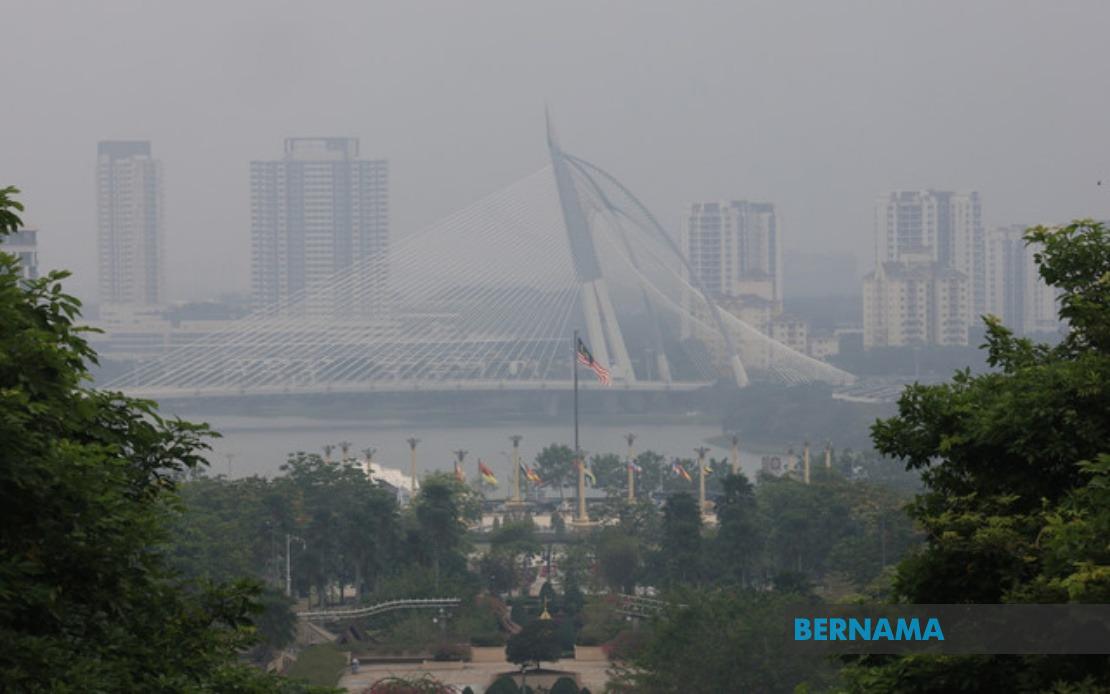
Malaysia's air quality crisis has prompted the Department of Islamic Development Malaysia to organise a coordinated spiritual response, with special prayers scheduled at three prominent places of worship across the capital and federal territories tonight. The initiative represents an official religious response to environmental challenges currently impacting millions of Malaysians grappling with deteriorating air conditions.
JAKIM director-general Datuk Dr Sirajuddin Suhaimee announced that Solat Hajat—a traditional Islamic prayer performed during times of difficulty or urgent need—will take place following Maghrib prayers at the National Mosque in Kuala Lumpur, Putra Mosque in Putrajaya, and Tuanku Mizan Zainal Abidin Mosque, also in Putrajaya. The simultaneous prayer sessions across these significant religious institutions underscore the gravity with which authorities are treating the environmental emergency.
The decision to invoke spiritual resources reflects a broader cultural and religious approach to national crises within Malaysia's Muslim-majority society. Dr Sirajuddin called upon the Muslim community to participate actively, emphasising the importance of collective supplication for protection, wellbeing, safety and restoration of peace during this environmental trial. His invocation highlights how religious institutions position themselves as mobilising forces during periods of national hardship.
The prayers align with broader directives from Malaysia's highest political and religious authorities. Al-Sultan Abdullah Ri'ayatuddin Al-Mustafa Billah Shah, the Sultan of Pahang who holds the position of Yang di-Pertuan Agong, had previously issued a decree urging all Malaysians to engage in prayer and seek divine assistance for those affected by the haze. Additionally, Dr Zulkifli Hasan, the Minister in the Prime Minister's Department overseeing Religious Affairs, had called for similar spiritual mobilisation efforts across the nation.
The haze situation continues to deteriorate across significant portions of Malaysia, with air quality measurements indicating alarming levels of pollution in multiple regions. As of 8 am on the day of the announcement, seventeen distinct areas across six states—Sarawak, Selangor, Negeri Sembilan, Johor, Melaka and Perak—along with Kuala Lumpur and Putrajaya, were recording unhealthy Air Pollutant Index readings. The geographic spread of problematic air quality demonstrates the transnational nature of the environmental challenge.
The involvement of JAKIM in organising these prayers illustrates how Malaysia's official Islamic bureaucracy operationalises religious practice in response to national emergencies. Rather than viewing environmental crises purely as technical or policy matters requiring only secular solutions, the framework presented here integrates spiritual resilience as a legitimate and important dimension of collective national response.
For Malaysian and Southeast Asian readers, this development carries broader implications beyond immediate prayer sessions. The region has grappled with recurring transboundary haze crises for decades, often originating from agricultural burning in neighbouring Indonesia. The combination of governmental prayer initiatives alongside—presumably—diplomatic, technical and environmental policy measures reflects the multi-layered nature of responses required for environmental challenges affecting millions across national borders.
The choice of three major mosques under JAKIM's direct supervision suggests a coordinated rather than grassroots initiative, indicating formal state involvement in religious response architecture. This approach differs from spontaneous community-led prayer efforts and signals official recognition that environmental crises may require comprehensive responses encompassing spiritual, policy and international dimensions working in concert.
Understanding religious institutions' role during environmental emergencies provides important context for how Southeast Asian societies approach complex challenges. While prayer alone cannot eliminate air pollution, framing environmental crises within spiritual and moral registers may strengthen collective commitment to addressing underlying causes, including demanding stronger transnational environmental agreements and enforcement mechanisms.
The timing of these prayers—immediately after Maghrib, one of Islam's five daily prayer times—reflects practical scheduling that maximises potential participation among the Muslim community. This accessibility consideration demonstrates administrative awareness of how to effectively mobilise religious participation for national causes.
For Malaysia's diverse population, the announcement also implicitly raises questions about inclusive national responses to environmental crises affecting all citizens regardless of faith. While JAKIM's initiative addresses the Muslim majority, parallel efforts across other religious communities and secular civil society organisations contribute to the broader tapestry of Malaysian responses to environmental emergencies.
The continuation of transboundary haze episodes underscores the necessity for long-term solutions involving regional cooperation, enforcement of environmental regulations, and potentially significant agricultural practice changes. Short-term spiritual appeals, while culturally significant, must accompany sustained diplomatic pressure on neighbouring countries and domestic policy interventions targeting the sources of transboundary pollution.

