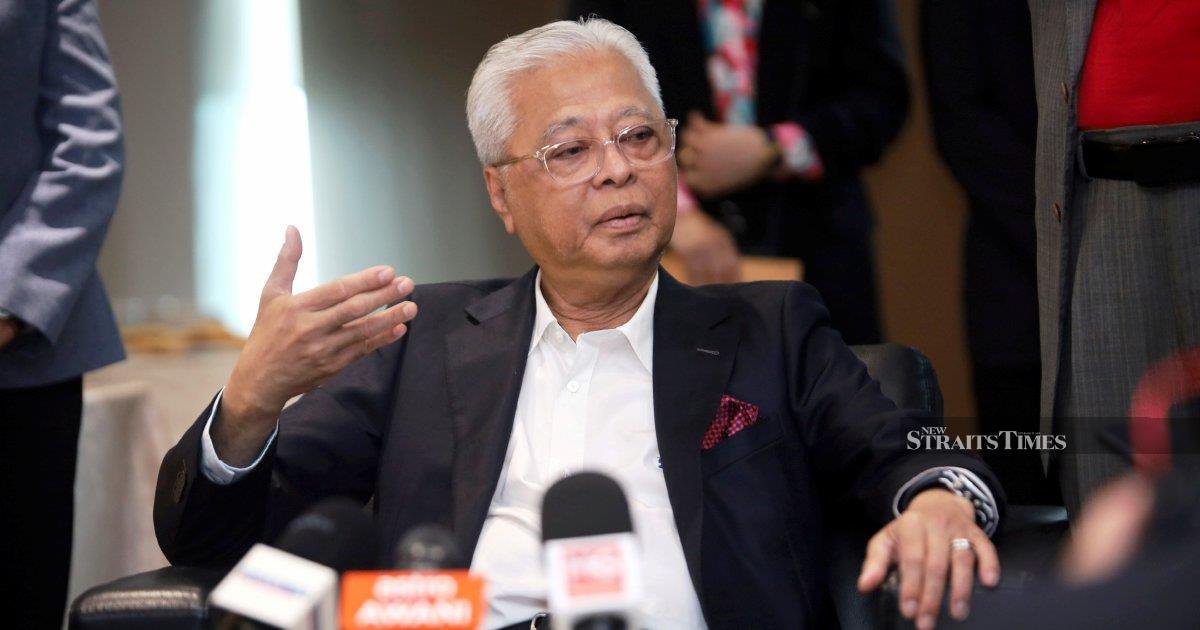
Former Prime Minister Datuk Seri Ismail Sabri Yaakob will undergo pacemaker implantation, prompting the court to defer his charge reading and plea recording to August 27. The postponement reflects judicial accommodation of the health needs of the prominent political figure who led Malaysia's government until his administration's dissolution in August 2022.
The deferment underscores the significant health consideration affecting the former premier's legal proceedings. Pacemaker implantation is a surgical procedure in which a small electronic device is inserted beneath the skin to regulate abnormal heart rhythms. Recovery from such medical intervention typically requires patients to avoid strenuous activity and restrict movement during the initial healing phase, making courtroom appearances and formal legal procedures inadvisable immediately following surgery.
Ismail Sabri, who served as Prime Minister from August 2021 to August 2022, has faced legal challenges following his tenure at the highest office of government. His case represents one of several instances where Malaysian courts have addressed allegations involving former senior political leaders, reflecting the country's complex legal and political landscape during the post-election period of recent years.
The August 27 court date provides the former leader adequate time to recover from the surgical procedure and regain sufficient stamina for attending court proceedings. Medical experts typically recommend a recovery period of several weeks following pacemaker insertion before resuming normal activities, particularly those requiring sustained concentration and physical presence in formal settings.
This legal matter represents part of a broader pattern in Malaysian politics where former government officials face accountability mechanisms after leaving office. The judiciary's willingness to accommodate legitimate medical needs while maintaining the integrity of legal proceedings demonstrates the balance courts attempt to strike between administrative efficiency and the rights of individuals facing charges.
Ismail Sabri's administration was notable for its coalition-building and negotiation within parliament during a period of significant political volatility. His government succeeded Tan Sri Muhyiddin Yassin's administration and attempted to stabilise the ruling coalition before ultimately giving way to the subsequent administration later in 2022.
The postponement of his legal hearing also reflects broader questions about how Malaysia's justice system manages high-profile cases involving senior public figures. The deferment for legitimate medical reasons does not constitute a resolution to the underlying legal matters but rather ensures that proceedings can proceed fairly when the defendant is in optimal condition to participate fully in his defence.
Court procedures involving charge reading and plea recording represent critical early phases in criminal proceedings. These stages establish the formal record of allegations and the defendant's initial response to the charges, making proper participation essential for ensuring the legal process operates transparently and within established procedural requirements.
The case will proceed once Ismail Sabri has recovered sufficiently to attend court. Malaysian legal practice generally prioritises both the expeditious handling of cases and the fair treatment of all parties involved, requiring courts to balance these competing interests when health considerations arise.
For observers of Malaysian politics and governance, the case exemplifies ongoing efforts to address accountability questions within the political establishment. The legal system's capacity to process cases involving former leaders, regardless of their previous status, remains central to public confidence in Malaysia's institutions and democratic framework moving forward.

