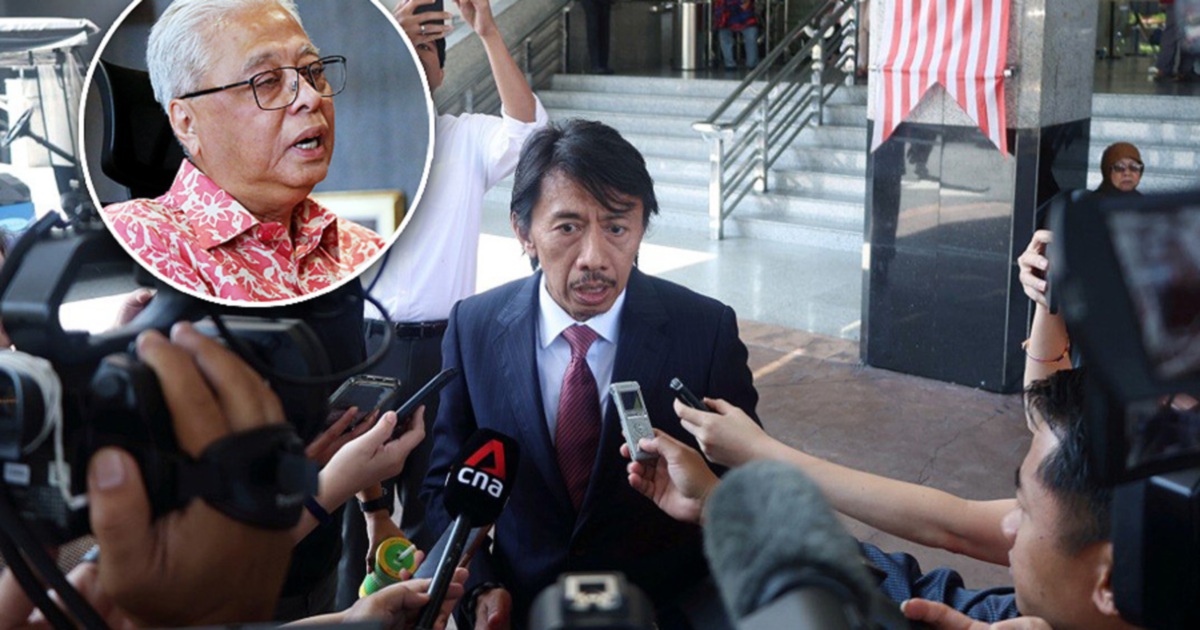
Former Prime Minister Datuk Seri Ismail Sabri Yaakob has signalled his intention to proceed with his legal defence against anticipated corruption charges under the Malaysian Anti-Corruption Commission Act, demonstrating unwavering commitment to clearing his name despite a recent health complication. The former leader faces a pivotal moment in his political career as he prepares for court proceedings scheduled for later this month, with the charges placing significant scrutiny on his conduct during and after his tenure at the nation's helm.
The resilience displayed by Ismail Sabri reflects broader patterns observed among Malaysian political figures confronting legal challenges. Rather than stepping back from public proceedings, he has chosen to confront the allegations directly, signalling confidence in his legal team's preparation and his personal conviction regarding his innocence. This stance carries important implications for how Malaysian political accountability mechanisms are perceived both domestically and internationally, demonstrating that high-level officials are subject to the same investigative and prosecutorial processes as ordinary citizens.
The MACC Act provides the legal framework through which the anti-corruption agency pursues cases against individuals suspected of financial misconduct or abuse of power. Charges filed under this legislation represent serious allegations that could result in substantial penalties if proven. The involvement of a former prime minister in such proceedings underscores the commission's independence and its willingness to investigate figures at the highest echelons of government, regardless of their current political status or historical significance.
Health complications have increasingly become a factor in high-profile Malaysian legal cases, with several prominent figures experiencing medical challenges during court proceedings. Ismail Sabri's determination to proceed despite his health setback suggests either improvements in his condition or a personal assessment that the urgency of clearing his name outweighs the physical demands of courtroom appearances. The upcoming proceedings will likely draw considerable media attention, both from domestic observers tracking political accountability and international audiences monitoring judicial independence in Southeast Asia.
The timing of these charges carries political weight within Malaysia's complex party dynamics. As a senior figure in the United Malays National Organisation, Ismail Sabri's legal situation intersects with broader conversations about party leadership, succession planning, and generational shifts within the Malay-Muslim political establishment. His determination to contest the charges demonstrates a refusal to accept diminished status based on allegations alone, maintaining his position within political discourse even as legal processes unfold.
For Malaysian readers concerned with governance standards, this case represents a critical moment in evaluating whether institutional checks operate effectively against political elites. The MACC's willingness to pursue a former prime minister illustrates either genuine institutional independence or carefully calibrated political choreography, depending on one's perspective. Either interpretation carries substantial implications for public confidence in Malaysia's anti-corruption mechanisms and the perceived fairness of their application across different political factions.
The legal proceedings scheduled for later this month will likely involve preliminary matters such as charge confirmation, bail applications if necessary, and procedural discussions before substantive courtroom hearings commence. These initial phases often prove decisive, as they establish the legal parameters within which subsequent evidence will be evaluated and arguments presented. Ismail Sabri's legal team has presumably utilised the intervening period since charges were laid to prepare comprehensive defence strategies and gather supporting documentation.
Regional observers monitoring Malaysia's political and legal developments will scrutinise how these proceedings unfold, as they contribute to international assessments of institutional strength and democratic resilience. Southeast Asian countries frequently face criticism regarding the selective application of anti-corruption laws to political opponents, making high-profile cases like this significant for Malaysia's governance reputation. The transparent operation of the legal system, regardless of the ultimate verdict, carries weight in evaluating the nation's commitment to rule of law principles.
Ismail Sabri's health setback, while presenting personal challenges, has not deterred his commitment to the legal process ahead. This determination reflects both personal conviction and practical recognition that withdrawing from proceedings would likely be interpreted as an admission of culpability. By maintaining active engagement with the charges and preparing thoroughly for court appearances, he signals that his understanding of the allegations allows for robust defence and that he welcomes the opportunity to present his perspective to judicial authorities.
As Malaysia moves toward these proceedings, attention will focus not only on the specific charges and evidence but also on how the judicial system manages cases involving former political leaders. The standards of fairness, procedural regularity, and substantive justice applied in Ismail Sabri's case will contribute to broader public perceptions of institutional credibility. His determination to proceed despite health complications demonstrates the intersection of personal resolve and institutional processes that characterises high-stakes political-legal cases in contemporary Malaysia.

