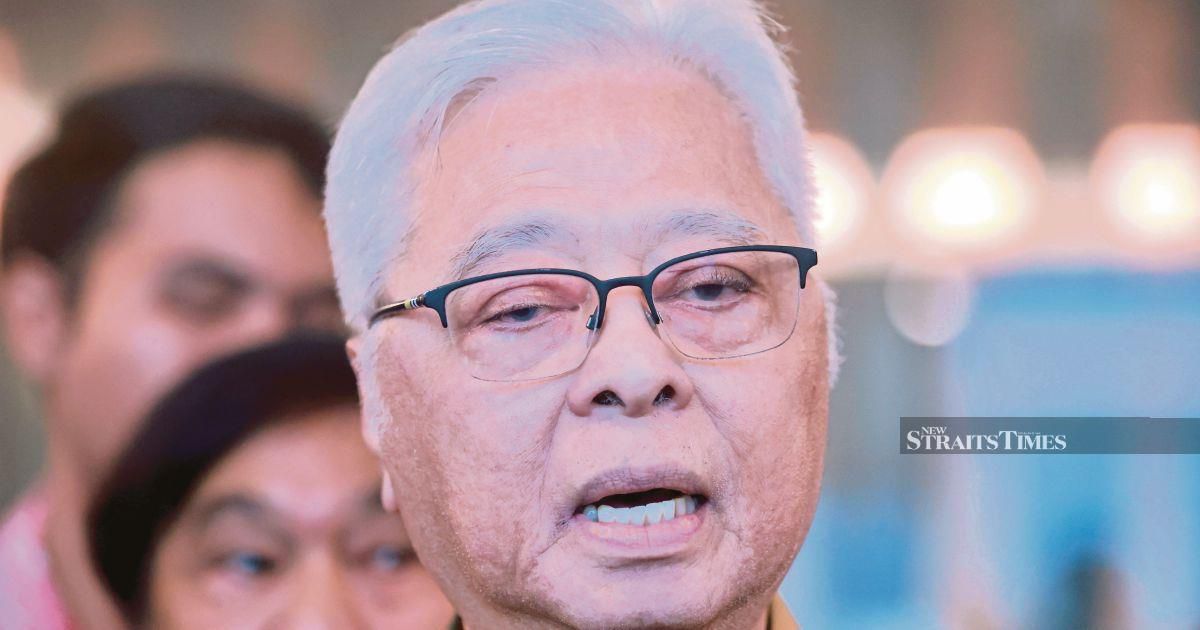
Datuk Seri Ismail Sabri Yaakob is poised to become the third former prime minister in Malaysian history to encounter criminal charges, a significant development that underscores the country's evolving approach to accountability for high-ranking officials. This trajectory places him alongside his predecessors Datuk Seri Najib Razak and Tan Sri Muhyiddin Yassin, both of whom have navigated serious legal proceedings related to their tenures in office.
The prospect of Ismail Sabri facing criminal charges marks a continuation of Malaysia's pattern of holding former leaders accountable through the judicial system. Each case has carried substantial implications not only for the individuals involved but also for the broader governance landscape and public confidence in institutional checks on executive power. The accumulation of three consecutive former prime ministers facing criminal action represents an unprecedented phase in Malaysian politics, reflecting either heightened scrutiny of past administrations or fundamental shifts in how the country addresses alleged wrongdoing at the highest levels.
Najib Razak, who served as Prime Minister from 2009 to 2018, became the first former premier to face criminal charges linked to the 1Malaysia Development Berhad scandal. His legal battles have spanned multiple years and various charges, capturing international attention and becoming emblematic of Malaysia's post-2018 anticorruption push. The complexity and scale of allegations against Najib set a precedent for how Malaysia's legal system would treat former top executives, establishing that no office is immune from judicial scrutiny.
Muhyiddin Yassin, who held the Prime Minister position for approximately seventeen months during 2020 and 2021, subsequently became the second ex-premier to face criminal proceedings. His charges emerged after his departure from office, demonstrating that legal consequences can materialise years after a political transition. The cases against both Najib and Muhyiddin have involved various allegations and have progressed through Malaysia's court system at different paces, creating parallel developments in how the nation's judiciary processes high-profile political cases.
The addition of Ismail Sabri to this cohort raises questions about the consistency and scope of Malaysia's accountability mechanisms. As Prime Minister from August 2021 to November 2022, his tenure was relatively brief compared to his predecessors, yet the potential for criminal charges suggests that investigative bodies have identified matters requiring judicial examination. The timing and nature of such charges will likely shape perceptions of whether Malaysia's legal system applies standards uniformly across administrations or whether political considerations influence the investigation and prosecution of former leaders.
From a regional perspective, Malaysia's willingness to pursue former heads of government through its courts represents a distinctive approach within Southeast Asia. While some nations in the region have witnessed transitions of power, few have systematically brought multiple former prime ministers into the criminal justice system. This trend carries implications for Malaysian investors, international observers assessing institutional strength, and neighbouring countries evaluating governance standards across the region.
The legal proceedings against these three former prime ministers have also exposed Malaysian society to sustained debate about executive accountability, the separation of powers, and the independence of judicial institutions. Each charge and verdict contributes to a public narrative about whether Malaysia's courts function as impartial arbiters or whether political winds influence legal outcomes. For citizens and observers, these cases function as ongoing tests of institutional integrity.
The implications for Malaysian governance extend beyond individual accountability. When multiple consecutive administrations face criminal scrutiny, questions arise about systemic vulnerabilities, oversight deficiencies during their respective tenures, and whether changes in regulatory or investigative structures have improved standards for future leaders. The cases collectively invite reflection on institutional learning and whether Malaysia has strengthened safeguards to prevent recurrence of alleged misconduct.
For Ismail Sabri specifically, the prospect of joining this select group presents personal, political, and legal challenges. His response to charges, the arguments presented in court, and ultimate legal outcomes will further shape Malaysia's jurisprudence on accountability for former executives. Public and international reactions to his case will also influence perceptions of whether Malaysia's judicial system operates with consistency and credibility.
Moving forward, Malaysia's experience with prosecuting three consecutive former prime ministers will likely inform how the nation approaches executive accountability in future transitions. The country faces an ongoing challenge of balancing the need for accountability with concerns about selective prosecution, ensuring that legal processes maintain public confidence while addressing genuine misconduct. Whether these cases ultimately strengthen institutional trust or deepen scepticism about political justice will depend significantly on the transparency, consistency, and perceived fairness of judicial proceedings.
The convergence of three former prime ministers facing criminal charges within a relatively compressed timeframe represents a pivotal moment for Malaysian governance. It reflects both commitment to accountability and potential vulnerabilities in how that accountability is pursued. As these legal proceedings continue, their outcomes will establish precedents and expectations for how Malaysia treats its former leaders, influencing the nation's political culture and institutional development for years to come.

