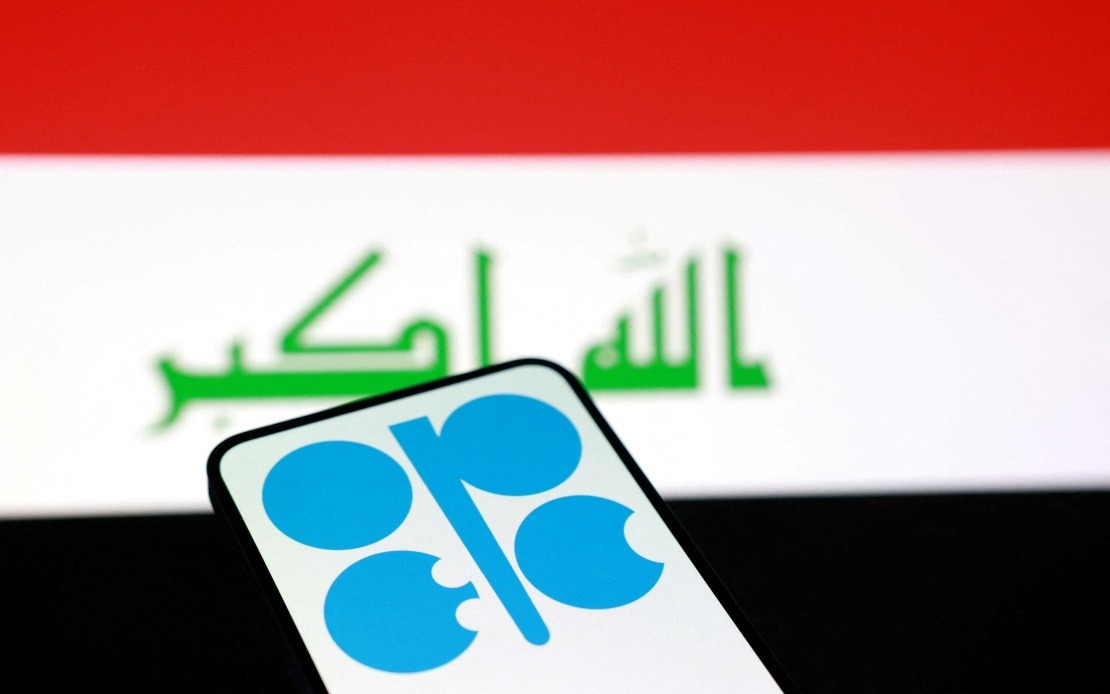
Iraq's Oil Ministry moved swiftly to quash speculation about a possible withdrawal from OPEC, issuing a formal statement that categorically denies the country is considering abandoning its membership in the cartel. The clarification followed a Bloomberg report suggesting that Baghdad might reconsider its position within the Organization of the Petroleum Exporting Countries should the group fail to raise its production allocation. The ministry emphasized that neither Prime Minister Mohammed Shia al-Sudani nor the broader government has entertained the prospect of leaving OPEC, underscoring the stability of Iraq's fundamental commitment to the organization.
The controversy appears rooted in a distinction between withdrawal threats and legitimate demands for policy adjustment. While Bloomberg cited Oil Ministry spokesman Salim Al-Rikabi as acknowledging Iraq has no immediate intention of exiting OPEC and remains invested in the collective framework, the same official also emphasized that Baghdad expects the cartel to raise Iraq's production ceiling in line with the nation's growing technical capabilities. This nuanced position reflects Iraq's desire to remain within OPEC's consensus-based mechanisms while asserting greater leverage in output negotiations.
Iraq's argument rests on a fundamental claim: that its current production quota does not accurately reflect what the country can physically and sustainably pump from its reserves. Rather than framing this as an ultimatum, the ministry positioned it as a call for technical reassessment rooted in geology, infrastructure capacity, and macroeconomic necessity. This framing allows Baghdad to maintain diplomatic unity with OPEC while still pressing for what it views as a fairer allocation.
To address such concerns, OPEC and allied producers, collectively known as OPEC+, have initiated a comprehensive review of each member nation's maximum sustainable production capacity. This technical audit involves coordination with an independent international consulting firm and actively incorporates Iraq's participation in the assessment process. The undertaking signals that OPEC leadership recognizes the legitimacy of production-capacity debates and has created institutional mechanisms to resolve them without forcing members toward exit decisions.
The timing of this reassessment aligns with broader changes in OPEC+ policy. The organization and its allied producers are gradually restoring production levels that had been voluntarily reduced during earlier market downturns. Complete resumption of these voluntary production cuts is scheduled for coming months, a development that could significantly benefit Iraq by raising its baseline production ceiling and positioning the country for increased output. This phased restoration approach gives Iraq a pathway toward higher quotas without requiring contentious renegotiations or structural reform of OPEC's governance.
Iraq's special circumstances form the foundation of its negotiating position. The country has endured over four decades of wars, international embargoes, and devastating infrastructure damage, much of it inflicted through terrorist attacks deliberately targeting oil production facilities. These externally imposed constraints have crippled Iraq's ability to achieve production levels consistent with its proven reserves and technical capabilities. The ministry argues that accounting for this "special situation" is not merely diplomatic posturing but a recognition of force majeure circumstances beyond government control.
Within OPEC's structure, Iraq historically claimed status as the second-largest producer among member states, a position it has been unable to maintain given decades of instability and underinvestment in oil infrastructure. Restoring Iraq to this position would require not simply incremental quota increases but a fundamental reassessment of how the cartel allocates output rights among members. The nation views itself as entitled to a production level reflective of its geological endowment and historical role, correcting what Baghdad perceives as an artificially depressed ceiling imposed by circumstances rather than economics or policy.
The distinction between Iraq's public rhetoric and its substantive demands reveals sophisticated diplomatic strategy. By formally denying withdrawal threats while simultaneously pressing for quota reassessment, Baghdad maintains its position as a loyal OPEC member committed to cartel stability while leveraging technical and humanitarian arguments to advance its interests. This approach mirrors successful practices within multilateral organizations, where members achieve objectives through procedural mechanisms rather than confrontational posturing.
For Southeast Asian energy consumers and producers, Iraq's situation carries important implications. As a region heavily dependent on imported oil and with Vietnam and Indonesia holding OPEC membership, the outcome of Baghdad's push for quota reassessment could influence global crude supply dynamics and pricing. Should Iraq successfully increase production significantly, additional barrels would enter global markets, potentially moderating prices. Conversely, if OPEC denies Iraq's claims and the nation grows frustrated, long-term supply stability could face risks.
The broader context involves OPEC's evolving challenge: maintaining cartel discipline while accommodating the legitimate production ambitions of member states with differing geological endowments and economic circumstances. Iraq's case demonstrates that the organization faces pressure to differentiate its quota allocation methodology, potentially moving beyond simple proportional sharing toward criteria incorporating capacity, economic necessity, and force majeure circumstances.
OPEC+ member states have shown notable flexibility in acknowledging Iraq's exceptional position, according to ministry statements. This diplomatic goodwill suggests that the organization may be willing to accommodate Baghdad's demands through the technical review process rather than forcing contentious institutional debates. The coming months will reveal whether the independent assessment of Iraq's maximum sustainable capacity aligns with the country's own projections, a determination that will largely settle whether Iraq's current quota requires substantial upward revision.

