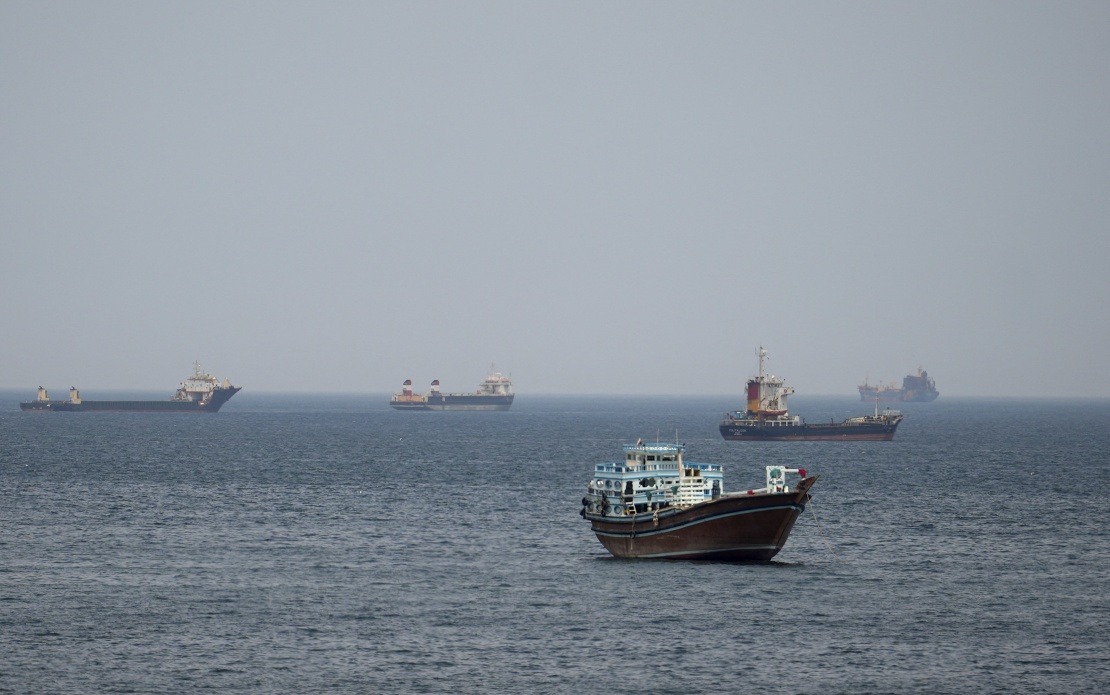
Iran's chief negotiator Mohammad Bagher Qalibaf landed in Oman on Monday to spearhead discussions on establishing a fresh governance structure for the Strait of Hormuz, one of the world's most critical maritime chokepoints. The Parliament Speaker travelled alongside Foreign Minister Abbas Araghchi, with both officials received by Omani Foreign Minister Badr Albusaidi upon their arrival. The visit represents a significant diplomatic push by Tehran to reshape regional maritime arrangements at a moment when international tensions over Middle Eastern waterways remain elevated.
The timing of Qalibaf's mission underscores the diplomatic momentum currently building in Iran-US relations. The negotiator had just completed eighteen hours of intensive talks in Switzerland with American counterparts, a round of negotiations mediated by Pakistan and Qatar that focused on implementing a recently concluded memorandum of understanding between Tehran and Washington. By stopping in Oman immediately after, Iran is signalling that parallel negotiations on regional stability issues are progressing simultaneously, suggesting a coordinated approach to de-escalation across multiple tracks.
Oman's role as an intermediary in this process reflects its longstanding position as a neutral broker in Gulf affairs. The sultanate has historically maintained diplomatic channels with all regional powers, and its geographic position as a gateway between the Arabian Sea and the Persian Gulf gives it particular stakes in ensuring stable shipping corridors. By hosting these discussions, Muscat is reinforcing its image as a responsible custodian of regional stability, an identity that has become increasingly valuable as tensions fluctuate across the wider Middle East.
The proposed new framework for Hormuz management addresses fundamental concerns shared by multiple stakeholders. Beyond Iran and the United States, maritime powers globally depend on the strait for critical energy supplies and commercial traffic. Any agreement that enhances navigational safety while reducing the risk of military confrontation would benefit shipping companies, energy-dependent economies, and global markets that have grown nervous about potential disruptions to this vital passage. For Malaysia and other Southeast Asian economies heavily reliant on Middle Eastern oil and gas, clarity on Hormuz stability carries direct implications for energy security and supply chain predictability.
Oman's official statements emphasise the importance of leveraging current diplomatic openings to advance peace rather than allowing them to slip away. The sultanate highlighted both parties' commitment to strengthening regional de-escalation and preserving security in the Strait of Hormuz and broader international waterways. This language reflects a recognition that any framework must address not just bilateral Iranian-US concerns, but the legitimate interests of all nations whose vessels transit these waters. The emphasis on international law and good neighbourliness suggests that participants are attempting to ground any new arrangement in widely accepted maritime principles rather than ad-hoc bilateral deals.
The negotiations also encompass broader regional coordination, with Qalibaf expected to meet Sultan Haitham bin Tariq to discuss bilateral cooperation. Such meetings typically extend beyond immediate maritime management questions to encompass defence partnerships, economic coordination, and alignment on regional priorities. Oman's willingness to host and facilitate these discussions positions it as integral to whatever arrangements ultimately emerge, potentially giving Muscat greater influence over implementation and dispute resolution mechanisms.
For Southeast Asia, the successful negotiation of a Hormuz framework carries obvious significance for commerce and energy security. Maritime chokepoints remain vulnerable to disruption, whether through military conflict, accident, or unilateral action by riparian states. A multilaterally-respected arrangement for managing the strait could reduce insurance premiums on vessels transiting the region, lower energy price volatility, and provide predictability for shipping schedules. Regional economies that have experienced supply chain disruptions during periods of heightened Gulf tensions understand the value of durable mechanisms that reduce uncertainty.
The framework discussions also reflect broader efforts to institutionalise dialogue in a region prone to sudden escalation. Unlike one-off agreements, a management framework ideally creates standing mechanisms for communication, information sharing, and dispute resolution. This approach mirrors regional security architecture elsewhere, from ASEAN's various mechanisms to the Iran nuclear deal's verification protocols. Such institutional approaches tend to prove more resilient than personalised diplomatic arrangements, though their effectiveness ultimately depends on all parties' commitment to working through established channels during crises.
Iran's diplomatic strategy in these talks likely encompasses several objectives beyond immediate Hormuz management. Tehran may seek international recognition of its role as a significant regional power entitled to participate in decisions affecting waterways bordering its territory. The United States, meanwhile, has interests in ensuring freedom of navigation and preventing Iranian actions that could disrupt global commerce or threaten allied shipping. Oman's facilitation role requires balancing these competing priorities while advancing its own interests in regional stability and avoiding becoming a theater for great power competition.
The success of these negotiations remains uncertain, as fundamental disagreements persist on several fronts. However, the sheer fact that negotiations are occurring, and that relatively junior diplomats are not the primary participants, suggests serious engagement. When Parliament Speakers and Foreign Ministers personally invest time in discussions, it typically indicates that their governments view outcomes as consequential rather than purely exploratory. For Malaysia and other Southeast Asian observers monitoring these developments, sustained diplomatic engagement around the Strait of Hormuz represents a preferable trajectory to escalating military posturing or unilateral provocations.

