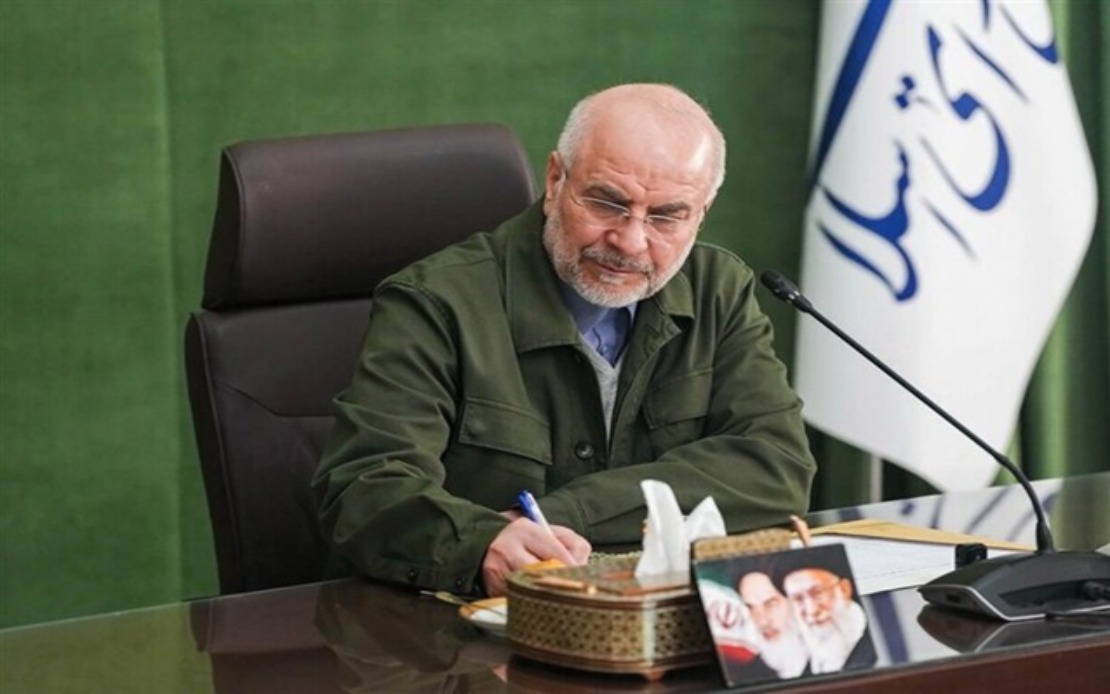
The dispute over how Iran will deploy its unfrozen assets has surfaced as a fresh point of contention between Tehran and Washington, revealing fundamental disagreements about the terms and conditions surrounding the recent peace agreement. Iranian Parliament Speaker Mohammad Bagher Ghalibaf, a senior negotiator for the Iranian side, took to social media on Thursday to dismiss what he characterised as American fabrications regarding the intended use of released funds. His statement pointed to a deeper pattern of mistrust that has defined decades of relations between the two nations, suggesting that Iran's approach to spending its own money would reflect independent decision-making rather than external pressure.
The source of the friction became clear following statements by Trump administration officials earlier in the week. Vice President JD Vance had suggested that Iran's unfrozen assets would logically be directed toward purchasing American agricultural commodities such as soybeans, corn, and wheat. President Donald Trump subsequently went further, claiming the funds would be held in an American-controlled escrow account with the explicit restriction that they could only be used to acquire US-produced food and medical supplies. These pronouncements appeared to position American agricultural interests as beneficiaries of the sanctions relief, a framing that Iranian officials immediately and firmly rejected.
Iranian Foreign Ministry spokesperson Esmaeil Baghaei responded on Tuesday by asserting that Iran would exercise complete autonomy over its unfrozen assets in accordance with its own strategic priorities. He emphasised that purchasing decisions would be driven entirely by conventional commercial considerations, namely price competitiveness and product quality, rather than political pressure or preferential treatment for any single nation's exports. His statement represented the official Iranian government position that sanctions removal should grant the country genuine economic freedom without hidden constraints or conditions imposed unilaterally by Washington.
The Central Bank Governor Abdolnaser Hemmati provided additional clarity on Iran's position, explicitly stating that his country harbours no compulsion to procure American agricultural goods. However, he carefully avoided closing the door entirely on such purchases, indicating that if US products proved cost-effective and met quality standards, Iranian buyers might still consider them among other global suppliers. This nuanced stance suggested that while Iran would not be dictated to, commercial logic rather than political ideology would ultimately determine purchasing patterns.
Ghalibaf's social media intervention carried particular weight given his role in ongoing negotiations. His post employed pointed rhetorical language, suggesting that the only harvest Iran would reap from American actions was the bitter fruit of decades of estrangement and broken trust. The metaphor underscored Iranian grievances about the history of US-Iran relations, implying that Washington's attempt to control the use of unfrozen assets represented merely the latest chapter in a longer narrative of American interference and domination. The statement signalled that technical negotiations over funds usage were inseparable from broader historical and political considerations.
The underlying context involves a tentative thaw in US-Iran relations following a peace memorandum of understanding signed on June 18. This framework established a 60-day negotiating window for parties to work toward a comprehensive agreement addressing Iran's nuclear programme and the broader sanctions regime. Despite this diplomatic opening, the rapid emergence of disputes over asset deployment demonstrates how fragile the current understanding remains and how quickly disagreements can resurface when fundamental interests clash.
Recent talks held in Switzerland over the weekend and into Monday represented the latest round of direct engagement between the parties. These sessions were presumably intended to build momentum toward broader nuclear and sanctions agreements, yet the simultaneous public sparring over asset usage suggests negotiations remain contentious on multiple fronts. The fact that senior officials felt compelled to make public statements contradicting American claims indicates that each side views the messaging war as integral to the broader negotiation strategy.
For Malaysian and Southeast Asian observers, these developments carry significance beyond the immediate bilateral dispute. The region has long sought stability in the Middle East and predictability in global energy markets, both of which depend partly on stable US-Iran relations. Continued friction over sanctions relief mechanisms and the terms of asset deployment could complicate the path toward a comprehensive nuclear agreement. Moreover, the episode illustrates how unilateral attempts to constrain or redirect another nation's economic resources can poison diplomatic atmospheres even when both sides formally commit to negotiation frameworks.
The confrontation also reflects deeper structural tensions in US-Iran negotiations. American officials appear to view sanctions relief as a tool that Washington can condition and control even after formal removal, while Iranian officials insist that genuine sanctions relief must include genuine economic autonomy. This philosophical divide about the nature of sanctions removal goes to the heart of why previous attempts at normalisation have foundered, suggesting that the current 60-day negotiating window faces substantial obstacles.
The agricultural dimension adds an interesting economic angle to the dispute. American farm lobbies have long viewed sanctions relief as a potential market opportunity, particularly for commodity crops. By suggesting that Iranian asset deployment would benefit American farmers, Trump administration officials were signalling to domestic constituencies that sanctions policy could serve US economic interests. However, this framing predictably alienated Iranian negotiators who view such conditions as violations of their national sovereignty and perpetuations of the coercive economic pressure they have endured.
Looking forward, the trajectory of this particular disagreement may prove indicative of whether the broader negotiating framework can accommodate genuine compromise or whether fundamental incompatibilities will ultimately derail progress. Iran's firmness in rejecting external constraints on asset use reflects minimal appetite for conditions it views as humiliating or economically disadvantageous. Conversely, American insistence on some form of control over released assets may stem from domestic political requirements and strategic security concerns. Reconciling these positions will require creative diplomatic solutions that neither side has yet publicly articulated.

