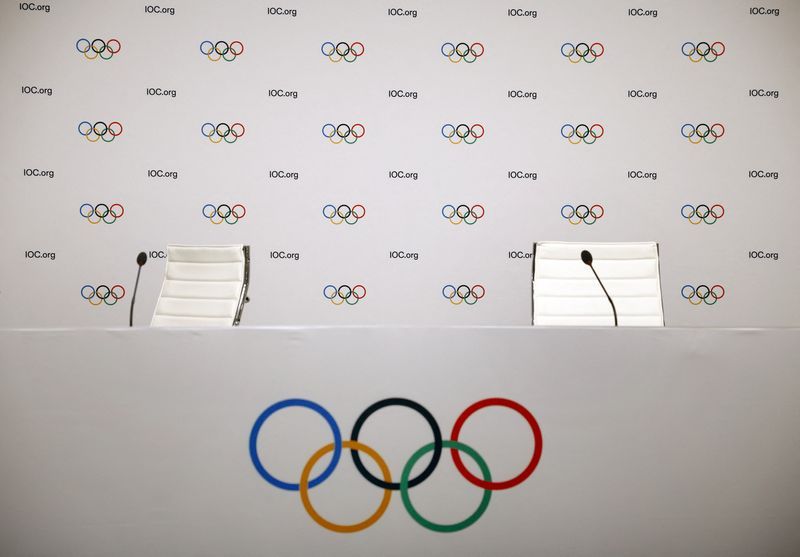
The International Olympic Committee will examine proposed changes to the Olympic Charter this week that aim to reinforce the principle of political neutrality within sport, developments that analysts suggest could have substantial ramifications for the reinstatement of Russian athletes in international competition. The amendments seek to bolster existing language emphasising that athletic competition should remain insulated from external political pressure, with one key revision specifically requiring the IOC to uphold neutrality "at all times, free from governmental, cultural, societal or economic pressure". The organisation argues these modifications are necessary to shield both athletes and competitions from external interference and to prevent the Olympic Games from serving as platforms for geopolitical disputes.
Yet the proposed changes have sparked considerable concern among sports integrity advocates who worry the reforms could inadvertently dismantle safeguards currently preventing Russia's full rehabilitation within the international sporting system. Rob Koehler, director general of the advocacy group Global Athlete, has articulated this anxiety bluntly, suggesting that the modifications send a troubling message about the standards the Olympic movement upholds. He contended that if the charter is revised as proposed, "the message will be unmistakable: war, systematic doping and repeated violations of the Olympic Charter are no longer barriers to full participation". This assessment reflects deepening tensions between the IOC's stated commitment to political neutrality and the tangible consequences Russia's actions have imposed on international sport.
Russia's complicated relationship with Olympic competition stems from multiple sources of violation. The country has endured sanctions spanning years due to a state-orchestrated doping scheme rooted in preparations for the 2014 Sochi Winter Games, creating an legacy of mistrust within the anti-doping community. Following Russia's invasion of Ukraine in 2022, the IOC recommended that Russian and Belarusian athletes be excluded from international competitions altogether. Subsequently, in October 2023, the IOC took the additional step of suspending the Russian Olympic Committee itself after it recognised regional Olympic councils within Russian-occupied Ukrainian territory, a move the IOC determined violated both the Olympic Charter and Ukraine's sovereign territorial integrity. These cascading sanctions reflected the committee's initial resolve in maintaining firm boundaries against Russian participation.
However, the IOC's stance has shifted noticeably in recent months, with a series of incremental decisions gradually eroding restrictions on Russian and Belarusian athletes. In December, the committee announced that youth athletes from both nations would be permitted to return to international competitions without limitations. The relaxation of rules for Belarusian athletes proceeded further last month when the IOC completely lifted all restrictions, effectively opening pathways for these competitors to participate in international events and qualifiers leading toward the 2028 Los Angeles Olympics. The corresponding decision regarding Russian athletes did not occur, yet observers and sports industry analysts have noted intensifying speculation that the IOC may extend similar relief to Russia in the coming months.
The broader trajectory suggests a strategic recalibration occurring within the IOC's leadership. In May, the committee's legal affairs commission initiated a formal review of information pertaining to the Russian Olympic Committee while simultaneously examining the nation's anti-doping infrastructure, though investigations by the World Anti-Doping Agency continue to present complicating factors. These bureaucratic processes, combined with the Charter amendments under consideration, create an ecosystem in which Russia's incremental return becomes increasingly plausible. Russian Sports Minister and ROC Chairman Mikhail Degtyarev stated in April that his ministry and the committee are "doing everything possible" to facilitate the complete reinstatement of the Russian national team competing under its national flag in international competitions. Such language from high-ranking Russian officials suggests sustained pressure within diplomatic and sporting circles to resolve the impasse.
At the political level, Russia's President Vladimir Putin signalled openness to a revised approach from the IOC's newly reconstituted leadership in April, comments that underscored Moscow's interest in expediting the restoration process. These statements from the highest levels of Russian government indicate that the question of athletic participation has transcended purely sporting considerations and become entangled with broader geopolitical objectives. For Southeast Asian nations and the global South more broadly, Russia's potential return to international sport carries implications extending beyond athletics, touching on how international institutions balance principles of neutrality against accountability for state actions.
The Charter amendments also encompass a separate but significant element: the removal of a fixed list of international federations, granting the IOC substantially greater discretion in determining Olympic programme composition. This flexibility would allow the committee to select sports and events based on pragmatic criteria including cost efficiency, logistical feasibility, and global commercial appeal rather than adhering to established organizational structures. This dimension of reform potentially reshapes the Olympic movement's fundamental architecture, enabling future host cities and the IOC to customise competitions according to contemporary preferences and economic realities.
For Malaysia and other nations within the region, the implications of these Charter modifications warrant careful consideration. The precedent the IOC establishes regarding Russia's reinstatement will likely influence how international sports bodies approach sanctions against other nations in future conflicts or violations. Additionally, the expanded flexibility in determining Olympic sports composition could create opportunities for Asian nations to advocate for inclusion of regionally significant athletic disciplines, particularly as potential hosts for future Games. The principle of political neutrality, if interpreted expansively, could provide cover for nations facing their own sporting sanctions or diplomatic complications to argue for participation.
The underlying tension embedded in these reforms reflects a fundamental philosophical question about whether international sports organisations should function as purely technical bodies operating above political considerations, or whether they bear responsibility for enforcing ethical standards and consequences for egregious state conduct. The IOC appears to be edging toward the former interpretation, emphasising its role as a neutral arbiter insulated from geopolitical pressures. Critics, however, argue this stance effectively absolves the organisation of accountability and relinquishes leverage that could encourage compliance with international norms regarding military aggression and institutional integrity. This philosophical divide will likely persist as the committee votes on the amendments this week and continues monitoring the Russian situation in coming months.

