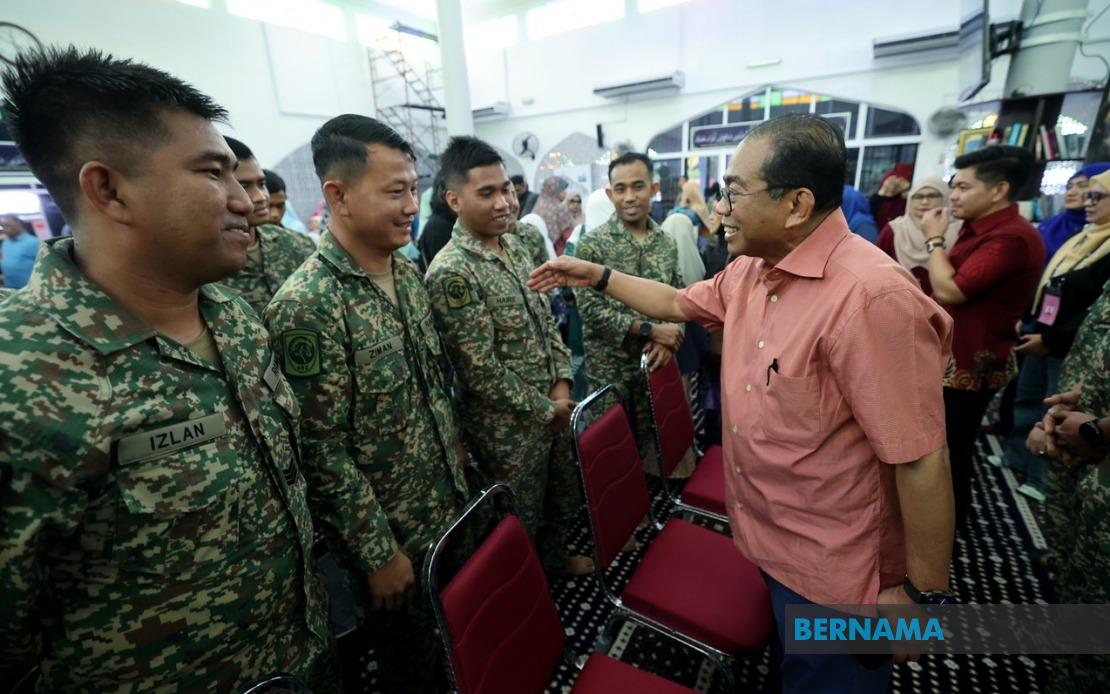
Defence Minister Datuk Seri Mohamed Khaled Nordin has indicated that a comprehensive investigation into a fatal grenade explosion at Hobart Camp in Gurun will be submitted to the Ministry of Defence by the middle of July. The incident, which occurred on June 16, claimed the lives of two military personnel during a routine training exercise and has prompted widespread concern about safety procedures within the Malaysian armed forces. Mohamed Khaled made the announcement while attending a public engagement programme at Felda Air Tawar 2 in Kota Tinggi, emphasising that authorities are moving swiftly to finalise the investigative findings.
The tragedy involved Corporal Norazmi Abu Bakar from the Sixth Battalion, Royal Malay Regiment, and Private Siti Khadijah Sungip of the First Squadron, Royal Engineers Regiment. Both sustained catastrophic injuries when the grenade detonated at approximately 10:57 am during the training exercise. They were immediately evacuated to Sultan Abdul Halim Hospital in Sungai Petani, but tragically succumbed to their injuries while in transit. The deaths marked a significant loss for the military establishment and triggered immediate reviews of operational safety measures across training facilities.
The urgency of the investigation has intensified following a second serious incident at the same Hobart Camp facility just two weeks later. On June 29, a firearm discharged unexpectedly during a combat enhancement training exercise, leaving two soldiers wounded. Sergeant Mohamad Firdaus Che Shaharudin and Corporal Felix Franchis of the Fourth Battalion, Royal Ranger Regiment sustained leg injuries from shrapnel resulting from the discharge at approximately 6:15 pm. This second accident within a fortnight at the same location has raised critical questions about whether systematic deficiencies exist in training protocols and facility safety standards.
The convergence of two major incidents within such a compressed timeframe has alarmed military leadership and civilian authorities alike. The pattern suggests potential systemic issues rather than isolated accidents, prompting calls for a comprehensive overhaul of how training exercises are conducted at the facility. Defence officials have acknowledged that the investigation will need to examine not only the specific circumstances of each incident but also broader institutional practices that may have contributed to these occurrences.
Mohamed Khaled stated that the Malaysian Army has been explicitly directed to undertake a thorough review of its entire training methodology and approach. This directive extends beyond simply investigating what went wrong in these specific incidents; rather, it represents a mandate to identify any underlying weaknesses or shortcomings that may exist across training programmes. The Defence Minister made clear that no corrective decisions will be implemented until the investigative findings have been comprehensively analysed and their implications fully understood.
The mid-July submission deadline represents a critical juncture for the Defence Ministry. Once the investigation report is received, officials will need to determine whether these incidents were anomalies resulting from individual errors or whether they reflect deeper problems requiring structural reform. The investigation's scope will likely encompass equipment maintenance, instructor training standards, safety protocols, and the adequacy of protective measures during high-risk training exercises.
For Malaysian military personnel and their families, these incidents have underscored the inherent dangers of military service and the critical importance of rigorous safety standards. The deaths of Corporal Norazmi and Private Siti Khadijah have resonated throughout the armed forces community, creating pressure on leadership to ensure that training exercises prioritise soldier welfare without compromising the quality of military preparation. This balance between operational readiness and personnel safety remains a persistent challenge for defence establishments globally.
The investigation also carries implications for how Malaysia approaches military training more broadly. Southeast Asian defence forces are increasingly scrutinised regarding occupational safety, and incidents at major training facilities can influence regional perceptions of military professionalism and competence. The swift response by the Defence Ministry to investigate thoroughly and publicly commit to addressing any systemic issues demonstrates an acknowledgment of these broader concerns.
As the investigation progresses, military analysts will be watching closely to determine what systemic factors contributed to both incidents. Questions surrounding equipment quality, training programme design, instructor qualifications, and emergency response procedures will likely feature prominently in the final report. The Defence Ministry's commitment to transparency about findings and corrective actions will be significant in maintaining public and institutional confidence in Malaysia's military training infrastructure.

