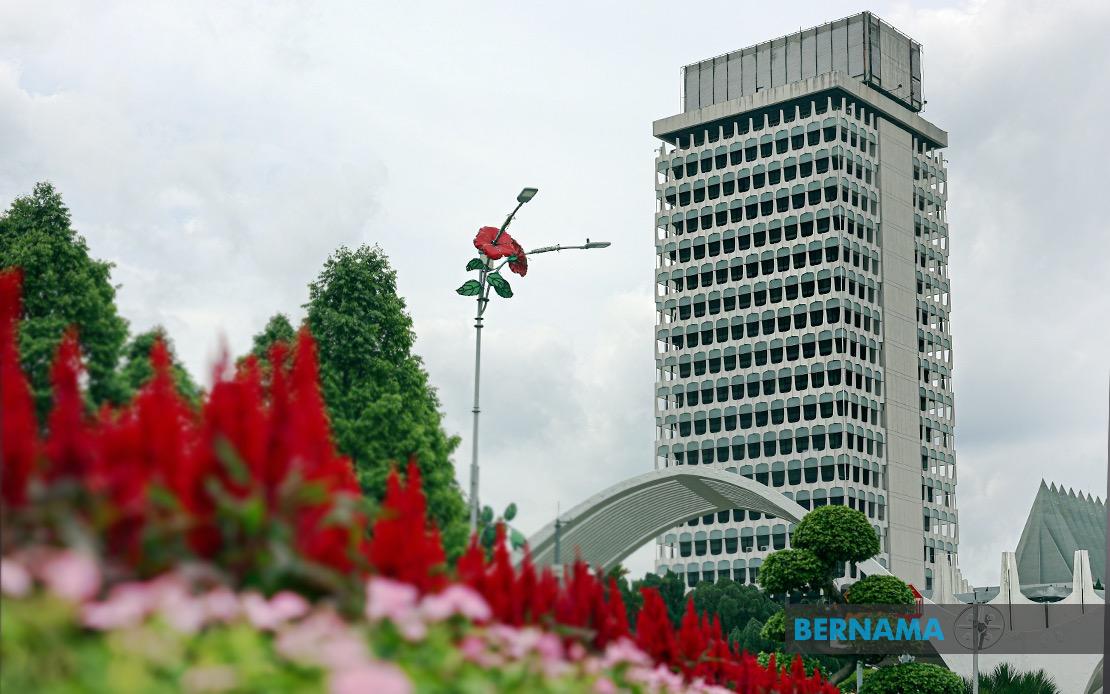
Parliament is preparing to grapple with a range of pressing national concerns today, with connectivity problems and fiscal pressures from geopolitical instability dominating the legislative agenda in the Dewan Rakyat. The parliamentary session will hear questions on infrastructure deficiencies, budgetary constraints driven by international conflict, and access to financial services for Malaysia's growing informal economy—issues that reflect the evolving challenges facing the government across multiple sectors.
Among the scheduled parliamentary inquiries is a question from Datuk Anyi Ngau from the GPS-Baram constituency directed at the Communications Minister, who will be asked to provide details on the Malaysian Communications and Multimedia Commission's strategic response to a frustrating phenomenon affecting many Malaysians: mobile devices displaying strong signal bars while internet services remain unavailable. This technical paradox, which has affected users across the country, points to potential underlying infrastructure mismatches or software glitches that hinder meaningful connectivity despite the appearance of network availability. The specificity of this question underscores how digital access problems, even when they appear minor, can significantly impact productivity and quality of life for millions of residents.
The financial implications of instability in West Asia will also receive parliamentary scrutiny, with Mohd Syahir Che Sulaiman from the PN-Bachok constituency questioning the Finance Minister about how regional tensions are reshaping Malaysia's subsidy burden. The conflict in that region has historically influenced global energy markets, and any sustained disruption to oil supply or price volatility can substantially increase the government's expenditure on fuel subsidies. This line of inquiry is particularly timely given that subsidy costs represent a significant claim on the federal budget, and uncontrolled escalation could jeopardize fiscal consolidation targets set for the current financial year, potentially forcing difficult trade-offs with spending in other critical areas like healthcare, education, and infrastructure development.
The government's ability to manage subsidy costs while maintaining price stability for consumers represents one of the most delicate balancing acts in Malaysian economic policy. When international geopolitical events push crude oil prices upward, the subsidy mechanism—designed to shield domestic consumers from global price shocks—can quickly consume budgetary resources allocated for other purposes. Understanding the precise fiscal impact of the West Asia conflict will help Parliament assess whether current subsidy structures remain sustainable and whether adjustments to pricing mechanisms or targeted assistance programmes might become necessary in coming months.
Another parliamentary question will address the financial exclusion facing Malaysia's substantial self-employed and informal workforce. Jamaludin Yahya from PN-Pasir Salak will ask the Finance Minister about mechanisms to help self-employed individuals, small traders, hawkers, and gig economy workers access home financing despite lacking the conventional documentation that traditional banks typically require. This issue highlights a structural gap in Malaysia's financial system: while the informal and self-employed sectors contribute substantially to economic activity and employment, conventional lending criteria often exclude these workers from homeownership opportunities. The absence of fixed salary slips—which formal employees routinely provide as income documentation—creates barriers even for workers with demonstrable, consistent earnings from other sources.
The question reflects growing recognition that Malaysia's rapidly evolving labour market increasingly features non-traditional employment arrangements, yet financial institutions have been slow to develop alternative assessment methodologies. Fintech innovations and alternative data sources—such as transaction records, business registration documents, or income verification through tax authorities—could potentially bridge this gap, but implementing such approaches requires policy direction and institutional coordination. Enabling housing access for informal sector workers would not only promote financial inclusion but also contribute to the government's broader housing affordability objectives by expanding the pool of potential homebuyers.
Parliament will also hear concerns about the regulation of confinement centres, with Yeo Bee Yin from the PH-Puchong constituency asking the Women, Family and Community Development Minister whether the government is prepared to establish comprehensive national regulatory standards and enact legislation governing these facilities. Confinement centres, which provide postpartum care services following childbirth, have become increasingly common in Malaysia, yet operate largely within a regulatory vacuum. The absence of clear standards raises questions about service quality, safety protocols, staff qualifications, and consumer protection. Establishing a national framework would help ensure that women and infants receive appropriate care while protecting vulnerable populations from potential exploitation or substandard practices.
Following these parliamentary questions, the legislative agenda will proceed to substantive business with the second reading of two significant communications sector bills: the Communications and Multimedia (Amendment) Bill 2026 and the Malaysian Communications and Multimedia Commission (Amendment) Bill 2026. Both measures received their first reading on July 13, and advancing them to the second reading stage indicates the government's intention to progress these legislative items in the current parliamentary session. These bills likely address regulatory modernization in the telecommunications and multimedia sectors, though the specific provisions warrant detailed scrutiny by Parliament to ensure they adequately address current industry challenges and technological developments.
The timing of these communications bills is noteworthy given that connectivity issues are simultaneously occupying parliamentary attention. Any amendments to the regulatory and institutional frameworks governing communications services should directly address the infrastructure and service quality deficiencies that are prompting parliamentary questions. The bills represent an opportunity to strengthen oversight mechanisms and performance standards that could help prevent the kind of signal-strength paradoxes that currently frustrate Malaysian internet users.
The current parliamentary session, scheduled to conclude on July 16 after running for 16 days, will address a microcosm of contemporary Malaysian governance challenges: the need to modernize digital infrastructure, manage fiscal pressures from external shocks, expand financial inclusion, strengthen consumer protection, and adapt regulatory frameworks to evolving market realities. These disparate issues, collectively examined in Parliament today and in coming days, illustrate the multifaceted nature of modern policymaking and the necessity of coordinated responses across different government agencies and legislative mechanisms.

