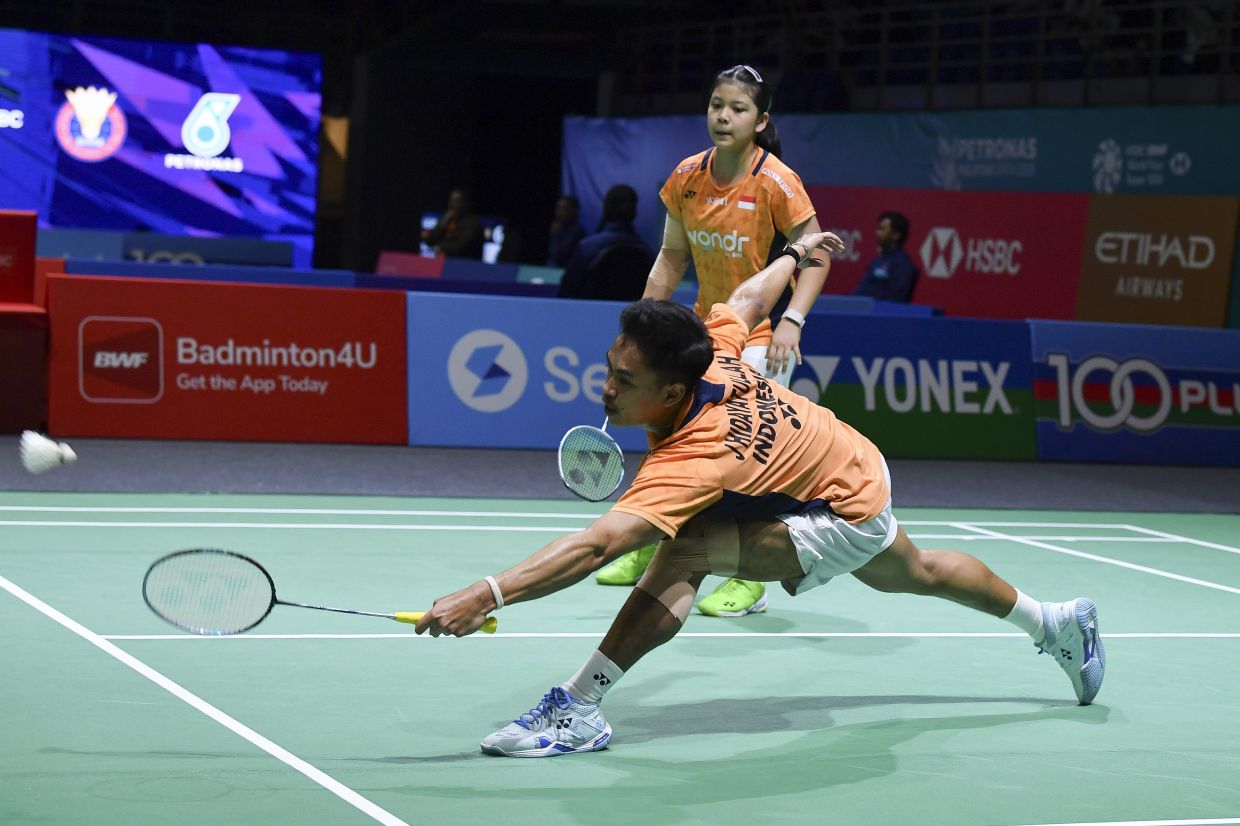
The withdrawal of two Indonesian mixed doubles pairs from the World Championships has cast a shadow over international badminton, with speculation mounting that the move is connected to an ongoing match-fixing investigation by the Badminton World Federation. World No. 13 pair Jafar Hidayatullah and Felisha Pasaribu, along with fellow mixed doubles combination Adnan Maulana and Indah Cahya Sari Jamil, have been pulled from the tournament, though the Indonesian Badminton Association has stopped short of explicitly linking the decision to integrity concerns.
The Indonesian Badminton Association's secretary-general Ricky Soebagdja framed the withdrawals as routine squad adjustments, characterising them as part of the organisation's commitment to ensuring proper administrative compliance and adherence to international tournament procedures. However, this official narrative has done little to quell public curiosity, particularly given the simultaneous disclosure that the Badminton World Federation is pursuing independent judicial proceedings against several Indonesian players for alleged integrity breaches. The timing and sequencing of these announcements have inevitably invited observers to draw connections between the two developments, even as the association carefully maintained formal separation between the squad changes and the investigation.
The pair Adnan-Indah withdrew from the World Championships on July 13, with Jafar-Felisha following approximately two weeks later on July 29. This staggered withdrawal timeline suggests that the Indonesian Badminton Association may have processed or received information about the players' involvement at different stages, though the association has provided no commentary on the sequence of events. The delays in withdrawals could also reflect negotiations with the Badminton World Federation or internal disciplinary processes within the Indonesian federation itself.
Indonesia's position as a badminton powerhouse in Southeast Asia means that any integrity issues affecting the sport carry significant implications for the region's reputation and competitive standing. Match-fixing scandals have periodically threatened the credibility of professional badminton globally, and the involvement of Indonesian players—from a nation that has historically dominated world badminton through numerous Olympic and world championship victories—presents particular concern. For Malaysian and other Southeast Asian fans and administrators, the investigation underscores the vulnerability of the sport to corruption even at the highest levels of international competition.
The Badminton World Federation's decision to conduct independent judicial proceedings reflects the global governing body's commitment to investigating allegations of match-fixing without allowing individual national federations to shield their players from scrutiny. By deploying an Independent Hearing Panel, the BWF has signalled that it will not permit political or commercial considerations to compromise its integrity mechanisms. This approach, while potentially uncomfortable for the Indonesian Badminton Association, represents an important safeguard for the credibility of international badminton competition and provides reassurance to other nations and stakeholders that serious allegations will receive impartial examination.
The Indonesian Badminton Association's statement emphasised its respect for and support of the Badminton World Federation's independence in conducting the proceedings, a diplomatic formulation that acknowledges the limitations on what individual nations can publicly say about ongoing investigations. By adopting this posture, the association has signalled compliance with international norms while effectively declining to engage substantively with the substantive allegations. This approach also protects the Indonesian federation from potential accusations of bias or inadequate governance should the Hearing Panel later find evidence of misconduct.
Despite losing two mixed doubles pairs, Indonesia will maintain a strong presence in the mixed doubles competition at the World Championships through the partnerships of Amri Syahnawi and Nita Violina Marwah, while Rehan Kusharjanto and Gloria Widjaja have been elevated from the reserve roster. This continuity in representation ensures that Indonesia remains a competitive force in the tournament despite the disruption caused by the investigation. However, the shadow of the integrity probe will inevitably colour perceptions of Indonesian badminton throughout the competition, potentially raising questions about player conduct even among those who remain unaffected by the investigation.
The association's request that all parties refrain from speculation until the Hearing Panel reaches its decision reflects standard practice in governance and disciplinary matters. However, in an age of rapid information dissemination and social media commentary, such appeals for restraint often prove ineffective. Players, coaches, and federation officials across Southeast Asia will likely engage in informal discussion and analysis of the situation, potentially generating theories and allegations that lack evidentiary foundation. This informal discourse, while difficult to control, can inflict reputational damage on both the players under investigation and Indonesian badminton more broadly.
For Malaysian stakeholders in badminton, the investigation provides a sobering reminder of the importance of maintaining robust governance frameworks and integrity protocols within national federations. Malaysia's own badminton administration and players would be well-served by reviewing their compliance measures and ensuring that safeguards against match-fixing and other forms of misconduct are comprehensive and regularly updated. The experience of Indonesia demonstrates that even established badminton nations with deep competitive traditions must remain vigilant against the pressures and incentives that can drive players toward integrity violations.
The broader implications of the investigation extend beyond Indonesia and badminton itself. Match-fixing in sports undermines the fundamental principle of fair competition and erodes public confidence in athletic contests. For Southeast Asian governments and sports administrators working to build credible sporting institutions and attract international events, incidents of match-fixing present significant obstacles. The region's reputation in international sport can suffer lasting damage from such scandals, affecting hosting opportunities and sponsorship interest across multiple sports and federations.
As the Badminton World Federation's Independent Hearing Panel proceeds with its examination of the evidence, the Indonesian badminton community faces a period of uncertainty. The investigation's outcome will likely shape not only the competitive future of the players involved but also the regulatory environment for badminton across Indonesia and potentially throughout Southeast Asia. Should the panel confirm integrity breaches, it may trigger broader reviews of player welfare, financial governance, and anti-corruption education within national federations across the region.

