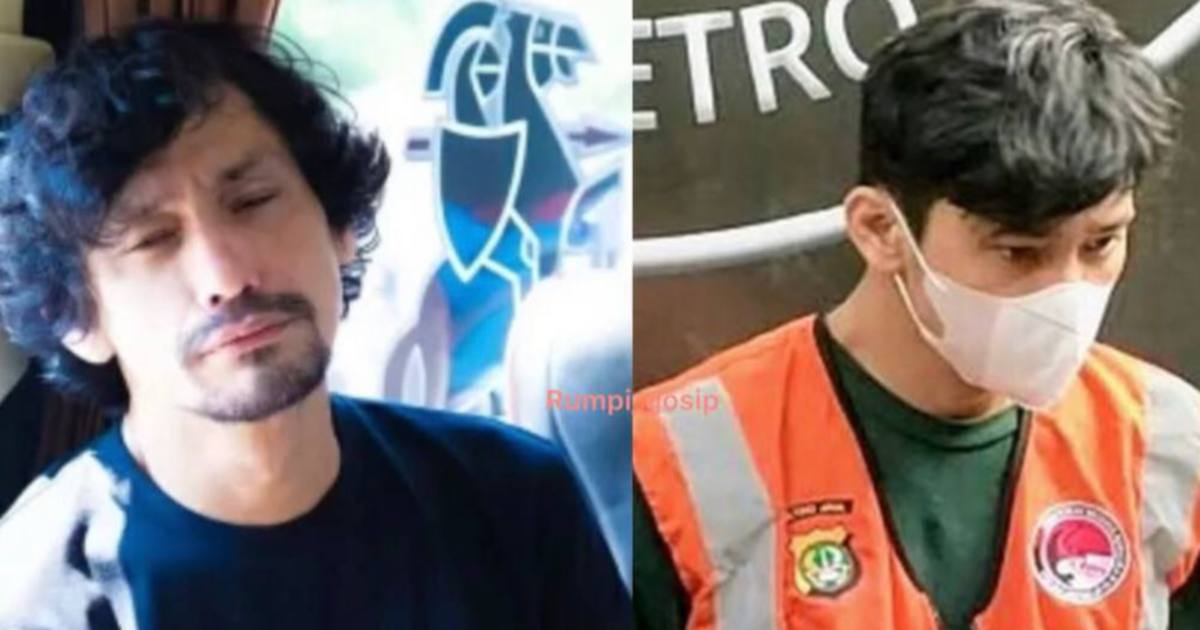
Indonesian actor Revaldo Fifaldi has landed in legal trouble once again, becoming the subject of another drug-related arrest that underscores the persistent challenges facing Southeast Asian entertainment industries in addressing substance abuse among high-profile personalities. Authorities apprehended him following a raid conducted at a residential apartment in South Jakarta, marking his fourth encounter with law enforcement on narcotic charges.
The arrest adds to a troubling pattern of repeated offences spanning several years. Each detention has intensified public scrutiny of the actor's personal struggles and raised broader questions about accountability within Indonesia's entertainment sector. The frequency of arrests suggests either inadequate intervention following previous convictions or an inability to break a destructive cycle despite legal consequences. For Malaysian audiences familiar with similar cases in the regional film and television industry, the situation resonates as a cautionary tale about the pressures and vulnerabilities that can afflict entertainment personalities.
South Jakarta, where the raid took place, has become increasingly focal to drug enforcement operations across the capital. The neighbourhood's status as a mixed residential and commercial district means such operations are not uncommon, yet the involvement of a recognisable public figure elevates the case's visibility and cultural significance. Indonesian authorities have intensified drug enforcement campaigns in recent years, particularly targeting higher-profile individuals whose arrests generate media attention and serve as public deterrents.
The cumulative nature of Revaldo's arrests indicates a systemic failure in rehabilitation and reintegration approaches. Following each previous detention, the actor presumably received counselling, underwent treatment programmes, or faced court-mandated rehabilitation. Yet the recurrence suggests these interventions either proved ineffective or were inadequately tailored to address his particular circumstances. This pattern mirrors challenges observed across Southeast Asia, where substance abuse among entertainment professionals often cycles through arrest, prosecution, and brief rehabilitation without achieving lasting behavioural change.
For the Indonesian entertainment industry, such incidents carry professional and reputational implications. Actor visibility and media presence mean arrests generate extensive coverage, potentially affecting career prospects, sponsorship deals, and public perception. The industry's response to such cases—whether through supportive rehabilitation frameworks or distancing measures—shapes the environment in which other professionals operate. Peers may feel pressure to maintain stricter personal boundaries or face association with individuals whose struggles have become public spectacles.
The specifics of what authorities allegedly discovered during the raid remain subject to legal proceedings. Drug possession charges in Indonesia carry serious consequences, and prior convictions typically influence sentencing severity. The judicial system's approach to repeat offenders, particularly those from privileged backgrounds or public positions, often draws scrutiny from civil rights advocates who question consistency in application of penalties. Malaysian legal observers frequently note variations in how different jurisdictions handle recidivist offenders across socioeconomic strata.
From a regional perspective, Indonesia's drug enforcement efforts reflect broader Southeast Asian government priorities. The region has grappled with rising drug trafficking, particularly involving methamphetamine and synthetic substances, prompting law enforcement agencies to maintain visible arrest profiles. High-profile cases, while representing only a fraction of total drug-related offences, generate the public messaging effects that authorities seek. Indonesian authorities have emphasised zero-tolerance approaches, especially following international agreements and domestic security concerns.
Revaldo's case exemplifies tensions between compassion for individuals struggling with addiction and the need for legal accountability. Addiction represents a public health crisis requiring therapeutic intervention, yet legal systems prioritise punishment and deterrence. The repeated cycle of his arrests suggests that existing frameworks may inadequately balance these competing concerns. Advocates in Malaysia and across Southeast Asia increasingly argue for drug courts, mandatory treatment integration, and long-term rehabilitation supports that address root causes rather than cycling individuals through conventional criminal justice responses.
The entertainment industry's role in addressing substance abuse among its members remains underdeveloped across Southeast Asia. Unlike some Western entertainment sectors where peer support networks, industry-sponsored rehabilitation programmes, and mentorship systems operate more formally, Asian entertainment industries often rely on ad hoc responses. Colleagues may offer private support or distance themselves entirely, but few organised institutional mechanisms exist to systematically address addiction among entertainment professionals. This structural gap leaves individuals like Revaldo navigating crises with limited safety nets.
Media coverage of Revaldo's arrest will likely influence public discourse around drugs, entertainment, and personal responsibility. The actor's visibility means his case receives attention disproportionate to many other drug offences. This amplification can serve educational purposes, illustrating consequences and raising awareness about addiction's reach across socioeconomic strata. Conversely, sensationalist coverage may overshadow the underlying health issues requiring serious intervention. Malaysian media organisations balance public interest with responsible reporting, aware that how such cases are framed shapes societal attitudes toward substance abuse and recovery.
For law enforcement agencies, each arrest of a public figure validates enforcement efforts and demonstrates commitment to drug control objectives. However, the repeated nature of Revaldo's arrests also highlights the limited impact of conventional enforcement on individual behaviour change. Authorities may question whether continued prosecution without fundamental alterations to support systems genuinely protects public health or merely maintains an arrest record without addressing underlying causes. This tension increasingly influences policy discussions across Southeast Asia regarding drug strategies.
Moving forward, Revaldo's case will progress through Indonesia's legal system, likely resulting in charges, proceedings, and potential sentencing. The outcome will depend on evidence presented, his legal representation's arguments, and judicial interpretation of applicable laws and prior convictions. Previous arrests may aggravate charges or influence sentencing recommendations. Regardless of legal outcome, the broader implications for personal recovery, professional rehabilitation, and industry accountability will extend beyond courtroom decisions, shaping conversations about addiction and intervention throughout Southeast Asian entertainment sectors.

