Indonesia's human rights commission has escalated pressure on the government to abandon mandatory military training for participants in President Prabowo Subianto's ambitious village cooperative initiative, after five trainees died during the opening phase of the programme. The deaths, occurring between June 17 and June 26, have thrust the flagship economic project into controversy just weeks after its launch and raised fundamental questions about the appropriateness of militarised instruction for civilian economic managers.
The Red and White Cooperatives programme, unveiled in July of the previous year, represents one of the administration's cornerstone initiatives aimed at stimulating employment and driving the economy towards an 8% growth target by 2029. The scheme envisions establishing approximately 80,000 village-based cooperatives throughout the archipelago, with a focus on distributing essential commodities, subsidised cooking fuel, and agricultural inputs to rural communities. The cooperative model is framed as a mechanism for strengthening grassroots economic participation and addressing regional development disparities, positioning it as central to Prabowo's broader economic agenda.
As many as 35,000 prospective cooperative managers are required to complete the military training component, which commenced on June 14 and will continue through July 31 across multiple regional military training centres. The extended timeline of 45 days represents a substantial commitment from participants, many of whom are drawn from farming and small business backgrounds with limited prior military exposure. The requirement that civilian business managers undergo formal military instruction has drawn criticism from observers who question whether such training aligns with the practical needs of cooperative administration and financial management.
Pramono Ubaid Tantowi, representing the human rights commission, articulated concerns that the militarised instruction fundamentally contradicts the economic and organisational objectives of the cooperative system. He emphasised that cooperatives function as business entities requiring specialised competencies in management, member services, and institutional governance—skills that are not addressed through conventional military curriculum. The commission's recommendation represents a formal institutional challenge to the training framework and signals deeper anxieties about the integration of military structures into civilian economic programmes.
The defence ministry, which is overseeing the training operation, acknowledged the five fatalities but characterised them as resulting from pre-existing medical conditions rather than training-related trauma. Major General Ketut Gede Wetan, heading the ministry's human resource development division, disclosed that participants died from cardiac arrest, heat exhaustion, tuberculosis, and pneumonia. The ministry contended that all trainees underwent medical screening prior to enrolment and were cleared as fit for participation, suggesting that deaths reflected individual health vulnerabilities rather than systemic training defects.
However, the defence ministry's assurances have not satisfied the human rights body, which has called for comprehensive government investigation and forensic autopsy examinations. The commission's demand for criminal investigation protocols indicates suspicion that deaths may have resulted from inadequate health monitoring, excessive physical demands, or insufficient medical support during the training period. This institutional friction reflects broader apprehensions about accountability mechanisms and the adequacy of safeguards protecting civilian participants in military-administered programmes.
In response to mounting criticism, the defence ministry announced a "comprehensive evaluation" of the training framework, promising enhanced health surveillance, early screening for at-risk participants, and recalibrated activity intensity. The ministry signalled that the health sector would be integrated into the training operation, suggesting recognition that medical supervision requires strengthening. These modifications, whilst indicating responsiveness to concerns, fall short of the human rights commission's call for complete programme termination.
The human rights body has articulated a substantive argument that the military training component lacks relevance to the actual skill requirements of cooperative management. Pramono stressed that capacity development for cooperative leaders should emphasise managerial proficiency, organisational leadership, and financial literacy—competencies cultivated through business education rather than military instruction. This technical critique challenges not merely the safety protocols but the entire conceptual foundation of militarising civilian economic training.
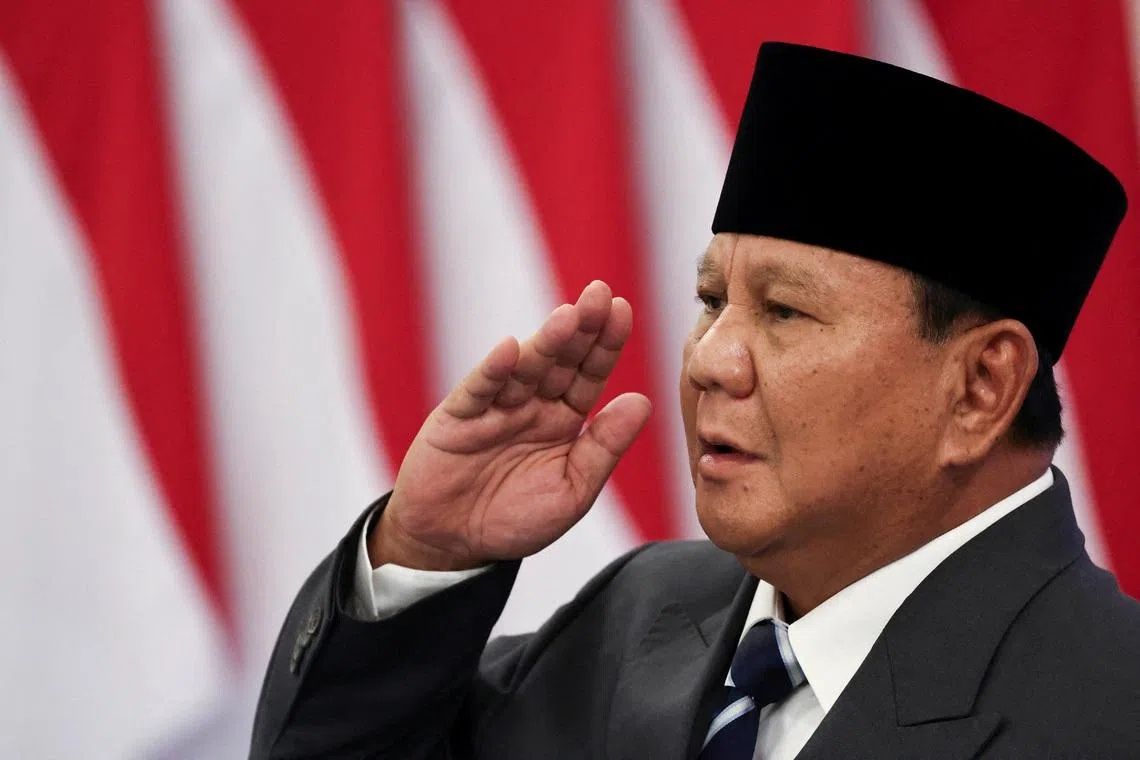
The controversy touches on a broader pattern under the current administration. Prabowo, a retired general who assumed office in 2024, has progressively expanded military involvement in civilian governance domains, including flagship government initiatives. The village cooperative scheme exemplifies this trend, embedding military structures into what are ostensibly civilian economic institutions. Critics view this militarisation as incompatible with democratic governance principles and economic efficiency, whilst supporters contend that military discipline strengthens institutional capacity and national cohesion.
For Southeast Asian observers, the situation illustrates tensions between security-oriented governance models and civilian institutional development. Malaysia, with its own experience of civil-military relations and cooperative movements, may find the Indonesian case instructive as a cautionary example of institutional friction arising when military frameworks are imposed upon civilian economic structures without adequate consideration of functional misalignment or participant safety.
The immediate challenge confronting the Indonesian government involves reconciling its commitment to the cooperative programme's economic objectives with public safety imperatives and institutional legitimacy. Should additional deaths occur or investigations reveal systemic deficiencies, political pressure to abandon the military training component will intensify substantially. The outcome will likely influence how subsequent administrations approach the integration of security institutions into civilian economic programming across the region.
The human rights commission's intervention represents a significant check on executive authority and demonstrates the continuing importance of institutional oversight mechanisms. Whether the government accepts the call for programme termination or proceeds with modified training protocols will indicate the administration's responsiveness to human rights institutions and its willingness to recalibrate policies based on evidence of harm. The resolution of this dispute carries implications extending beyond cooperative management to fundamental questions about institutional design and accountability in contemporary Indonesian governance.

