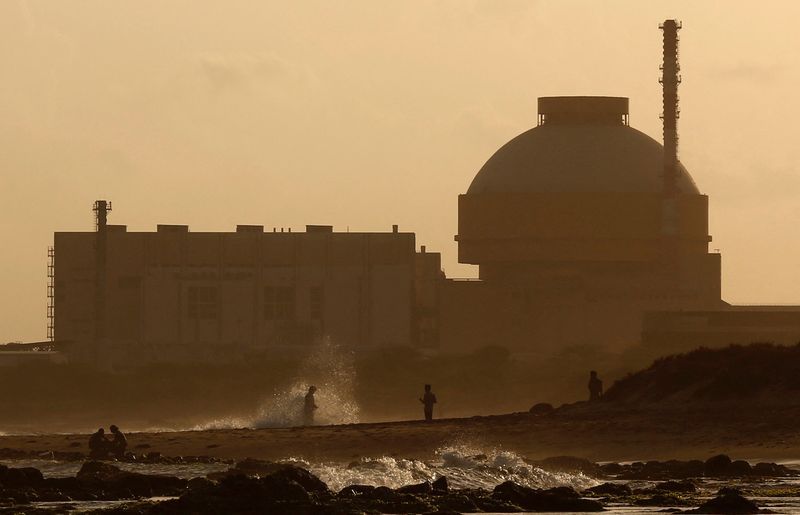
A significant cyber incident has exposed India's largest nuclear facility to potential security threats. The ransomware group World Leaks recently published a substantial collection of documents from the Kudankulam Nuclear Power Plant in Tamil Nadu on the dark web, claiming they originated from Reliance Group, a major contractor involved in the facility's expansion. The leaked materials allegedly include architectural blueprints of facility components, supplier contact information, and operational records spanning nearly a decade, representing a substantial cache of approximately 19,000 files from a total repository of 858,000 Reliance documents now circulating online.
The Kudankulam plant stands as the crown jewel of India's nuclear infrastructure, housing the country's most advanced reactors and functioning as the centrepiece of Prime Minister Narendra Modi's strategy to significantly increase India's atomic energy generation capacity. The facility currently operates multiple units and is in active expansion phase, with Units 3 and 4 under construction and expected to commence operations by 2027. These two units alone will contribute 2,000 megawatts of generating capacity once fully operational, making them critical to India's energy security objectives for the coming years.
Reliance Group, controlled by Indian businessman Anil Ambani, has acknowledged a partial data breach affecting its infrastructure on a server maintained by third-party data centre operator Yotta. The conglomerate disclosed that appropriate government authorities have been notified of the incident, though the company has remained deliberately vague regarding the specific nature and scope of the compromised information. This reticence reflects sensitivity surrounding potential national security implications and the classified nature of certain nuclear facility-related documentation.
Cybersecurity experts have sounded alarm bells regarding the breach's implications. Nickolas Roth, a senior director at the Nuclear Threat Initiative, characterises the exposure as presenting a "serious" risk to plant operations and safety protocols. Beyond this specific incident, Roth's assessment reflects broader concerns about India's overall cybersecurity posture, noting that numerous Indian enterprises lack adequate defensive capabilities to counter sophisticated modern threats. This vulnerability gap becomes particularly alarming when it concerns critical infrastructure sectors such as nuclear energy, where security breaches could have cascading consequences across national systems.
The technical investigation timeline reveals troubling gaps in detection and response. Yotta reported identifying suspicious activity on its servers hosting Reliance Infrastructure systems on May 29, and claimed it immediately halted the activity while preventing suspected ransomware execution. However, Reliance Infrastructure did not formally notify Yotta of the breach claim until late June, a delay that raises questions about internal incident reporting procedures and information flow between contractor and service provider. While Yotta has declined to independently verify the threat actor's claims, it has supplied detailed technical analysis to Reliance Infrastructure to support ongoing investigations.
The documents themselves, though not verified for authenticity by independent parties, appear to focus on supporting systems rather than the reactor cores themselves—which rely on Russian state-owned Rosatom's technology. The exposed files purportedly contain ventilation and cooling system blueprints for Units 3 and 4, complete floor layouts of the central control room, vendor proposals, approved supplier catalogues, and meeting records with photographs of equipment. This granular operational detail creates vulnerabilities by potentially revealing the plant's supply chain dependencies, access control points, and security implementation weaknesses to malicious actors.
Particularly sensitive among the exposed materials is documentary evidence suggesting that Reliance Infrastructure and the Nuclear Power Corporation had procured terrorism insurance coverage with a $112 million payout threshold. This revelation could provide adversaries with insights into perceived vulnerability assessments and risk tolerance levels. More broadly, security researchers indicate that such comprehensive operational documentation enables sophisticated actors to map auxiliary systems, identify personnel and supplier relationships, and pinpoint potential attack vectors within the broader security ecosystem surrounding the nuclear facility.
The World Leaks ransomware operation has previously targeted major corporations including sporting goods manufacturer Nike and India's Tata Group conglomerate. In the Tata case during June, the group demanded $1.5 million for files containing confidential component specifications from technology clients Apple and Tesla before publishing the data after what it characterised as Tata's refusal to engage. The group maintains an operational protocol of publicly releasing stolen corporate information on specialised dark web platforms after ransom demands go unsatisfied, though the group has not publicly commented on the Reliance breach or any associated ransom demands.
This incident marks the second significant cyber event involving the Kudankulam facility. In 2019, administrative network systems at the plant were compromised by malware attributed to North Korean-affiliated hacking groups, though the Nuclear Power Corporation maintained at the time that plant operations themselves remained unaffected and security protocols contained the threat. That prior incident should have triggered heightened awareness and resource allocation toward defensive improvements, yet the current breach suggests such measures may have been inadequate or incompletely implemented across the contractor ecosystem supporting facility operations.
India's vulnerability to large-scale cyber attacks reflects systemic weaknesses across the private sector. According to cybersecurity analysis firm Surfshark, India ranks third globally for data breaches, with 28.9 million accounts compromised during the previous year, trailing only the United States and France in absolute numbers. Domestic research corroborates this troubling picture: a joint assessment by the Data Security Council of India and cybersecurity firm Seqrite found that among 204 surveyed organisations, approximately 73% remained uncertain whether they had experienced attacks while 57% demonstrated inadequate cyber hygiene practices. These statistics underscore how widespread security shortcomings create institutional vulnerability, particularly when they extend to contractors and suppliers embedded within critical infrastructure supply chains.
The breach's implications resonate across Southeast Asia and South Asia, where nuclear ambitions are increasingly prominent and cybersecurity capabilities remain uneven. Malaysia, Vietnam, and other regional nations pursuing nuclear energy development should extract important lessons from India's experience regarding the essential need for integrated cybersecurity frameworks that extend beyond operators to encompass entire contractor and supplier ecosystems. The incident demonstrates that even in nations with substantial technical capacity and resources, the distributed nature of modern infrastructure development creates numerous access points and potential vulnerabilities that require comprehensive, coordinated defensive strategies.
Response from official Indian authorities has been conspicuously muted. The Nuclear Power Corporation, the Department of Atomic Energy, and the Prime Minister's office all declined to comment or failed to respond to inquiries. The Indian Computer Emergency Response Team, the nation's primary cybersecurity agency, is reportedly investigating but has not released public findings or corrective action recommendations. This silence may reflect diplomatic sensitivities around nuclear security matters or potential embarrassment regarding the breach, yet it leaves both domestic and international stakeholders without clarity regarding response measures, defensive improvements, or lessons being institutionalised to prevent recurrence across India's broader nuclear infrastructure ecosystem.

