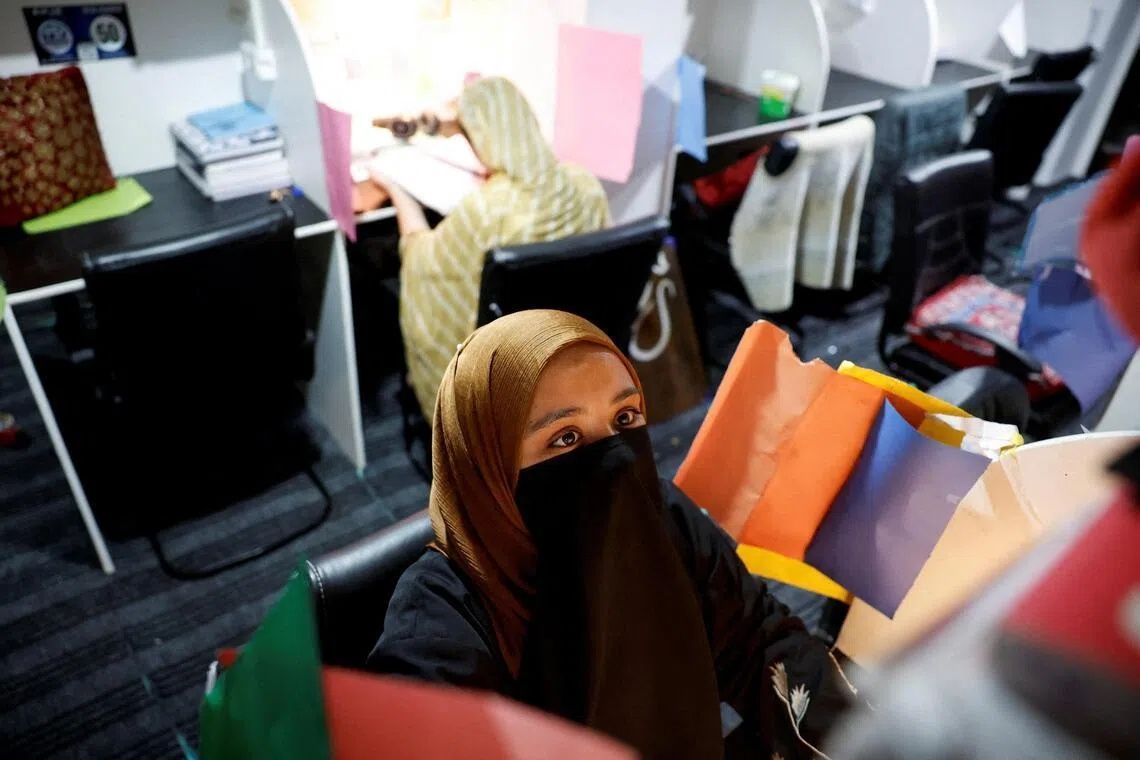
Over 2 million aspiring medical students in India are grappling with extraordinary psychological pressure as they prepare to retake the National Eligibility cum Entrance Test, one of the country's most gruelling competitive exams. The retake, scheduled for June 23, comes after authorities made the controversial decision to scrap results from the initial examination held on May 3, citing credible allegations that the question paper had been compromised through advance leaks circulating on social media.
The scale of the crisis underscores the immense stakes embedded in India's medical education system. Only between 5 and 6 per cent of candidates who attempt the National Eligibility cum Entrance Test successfully secure admission to medical schools, creating an intensely competitive environment where even marginal performance differences determine life trajectories. For students who have already invested years in rigorous preparation, the sudden nullification of their efforts represents not merely an administrative inconvenience but a profound psychological setback. Alima Javed, a 20-year-old aspirant from Srinagar, articulated the emotional toll with stark candour: the examination itself demands immense mental endurance, years of dedicated study yield no tangible result when institutional failure undermines the entire process.
The fallout from the examination scandal has rapidly evolved into a significant political liability for Prime Minister Narendra Modi's administration. Student-led demonstrations have erupted across New Delhi and numerous other cities, with hundreds of young people mobilising to voice their frustration and demand accountability. These protests have captured national attention, transforming what initially appeared to be an isolated technical failure into a broader commentary on institutional competence and the government's capacity to safeguard meritocratic processes. Opposition politicians have seized upon the controversy to criticise the ruling establishment, amplifying pressure on the administration to demonstrate effective crisis management.
The controversy has generated claims, difficult to independently verify, that the examination debacle has contributed to student suicides. While definitive causal links remain unclear, such allegations nevertheless reflect the intense psychological burden that candidates experience when facing examination-related crises. Education Minister Dharmendra Pradhan has sought to reassure students by publicly committing to a retaken examination that will be conducted with enhanced "fairness and transparency," signalling official recognition that trust in the examination system requires active restoration rather than passive assumption.
Government responses have encompassed both conventional security measures and more controversial interventions. Authorities have launched an expansive multi-agency investigation targeting the origins of the alleged leak, with investigators examining financial transactions associated with suspected cheating networks and pursuing arrests across multiple states. Security protocols for the retaken examination have been substantially tightened, incorporating enhanced monitoring at test centres, stricter procedures governing question paper handling and distribution, and digital tracking systems designed to create verifiable audit trails throughout the examination process.
Yet among the most contentious government interventions has been the temporary blocking of the messaging application Telegram, justified on the grounds that the app's anonymity features and the ease of recreating blocked channels made it a particularly vulnerable vector for exam-related misconduct. The measure drew sharp criticism from digital rights advocates and free speech campaigners who characterised it as excessive governmental overreach. When Telegram challenged the ban in Indian courts on June 19, the judiciary upheld the government's action, ruling that the temporary block was both legally justified and proportionate to the circumstances.
Despite the extensive security enhancements and official reassurances, many candidates report that these measures have failed to meaningfully alleviate their psychological distress. The retake examination itself remains inherently daunting, but candidates now face the additional burden of diminished confidence in institutional systems. Aliya Jalaal, also twenty years old, described achieving satisfactory results in the initial May attempt, only to find that the retake requirement has induced anxiety severe enough to warrant psychiatric intervention. Her experience illustrates how even previously confident candidates have experienced deterioration in mental wellbeing, suggesting that the scandal's psychological ramifications extend beyond those who performed poorly initially.
For Malaysian and Southeast Asian observers, the Indian examination crisis carries relevant implications regarding examination integrity in highly competitive educational systems. Across the region, entrance examinations to prestigious medical programmes command comparable significance, and examination leaks represent a genuine vulnerability affecting numerous countries. The scale of India's response—involving judicial intervention, multi-agency investigations, security protocol overhauls, and even digital platform blocking—demonstrates how aggressively governments may respond when examination credibility faces compromise. It also highlights the precarious balance between security measures that protect examination integrity and interventions that provoke concerns about governmental overreach.
The broader context reveals structural vulnerabilities inherent in examination systems serving hundreds of millions of students competing for limited positions. The extraordinarily low success rate in the National Eligibility cum Entrance Test reflects not merely Indian circumstances but a widespread phenomenon across Asia's education landscape, where demographic scale and limited capacity in elite institutions create winner-takes-all competitions. When such systems experience credibility failures, the consequences cascade across millions of lives, generating political crises that reverberate through electoral cycles and institutional legitimacy.
The retaken examination represents an attempt to rebuild trust in Indian medical education's gatekeeping mechanisms, yet its success depends on whether candidates—and the broader public—can genuinely believe that security measures have neutralised the vulnerabilities demonstrated in May. Government officials have warned of enhanced penalties for examination malpractice, signalling an intention to establish deterrents against future misconduct. Whether such deterrents prove effective, combined with technological and procedural safeguards, will determine whether this crisis catalyses genuine institutional reform or merely represents a temporary correction to an ultimately fragile system.

