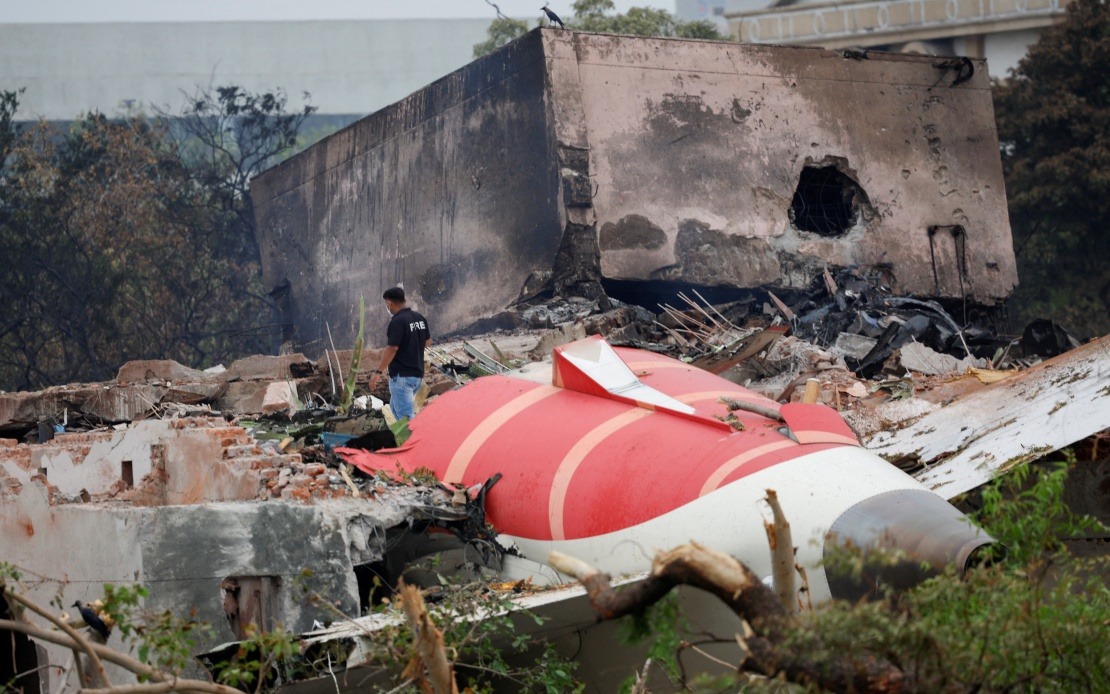
Indian authorities investigating the catastrophic Air India Flight AI-171 disaster have found no evidence of defects in the aircraft's fuel control switch locking mechanism, according to statements made to the country's upper house of parliament this week. Minister of State for Civil Aviation Murlidhar Mohol conveyed this update during proceedings in the Rajya Sabha, indicating that the ongoing inquiry has narrowed the technical focus as investigators work through the complex factors that contributed to the tragedy.
The June 2024 crash remains one of aviation's deadliest incidents in recent years. The London-bound Boeing 737 aircraft plunged to the ground shortly after departure from Sardar Vallabhbhai Patel International Airport near Ahmedabad in Gujarat state, resulting in the deaths of 241 of the 242 people aboard. The impact occurred at the B J Medical College campus in the Meghaninagar district, claiming an additional 19 lives on the ground and leaving 67 others injured while causing extensive structural damage to multiple buildings at the medical facility.
The Aircraft Accident Investigation Bureau has been methodically examining the wreckage and flight data since the incident, with the government clarifying that no shortcuts have been taken despite public expectations for rapid conclusions. Minister Mohol stated that the final investigation report, containing comprehensive findings and recommendations, will be released publicly through the AAIB's official website upon completion of the inquiry. He noted that major aviation accident investigations inherently require time, as they involve multiple technical disciplines, international coordination, and verification of complex hypotheses.
The absence of defects in the fuel control switch represents a significant finding because fuel management systems are critical safety components, and any mechanical failure in these systems could have catastrophic consequences during flight operations. The investigation's focus on this component suggests it was among the initial priorities examined by engineers and accident specialists seeking to understand what went wrong during takeoff. By ruling out this particular mechanism as a contributing factor, investigators have narrowed the field of possible causes and can redirect attention to other aircraft systems or operational factors.
The crash triggered immediate international attention and raised serious questions about air safety procedures at Indian airports and within Air India's maintenance protocols. The Aviation Safety Network and global aviation authorities closely monitored the investigation, as findings from such incidents typically influence regulatory changes affecting airlines across multiple countries. For Malaysian aviation stakeholders, the investigation's progress carries particular relevance, as Malaysia has experienced its own devastating air incidents and maintains close coordination with international aviation safety bodies.
The Aircraft Accident Investigation Bureau operates under India's Ministry of Civil Aviation and follows protocols established by the International Civil Aviation Organization. These procedures require investigators to examine all potential contributing factors systematically, including mechanical systems, pilot actions, weather conditions, air traffic control communications, and maintenance records. The complexity of modern aircraft means that determining root causes often requires extensive testing and analysis that can span many months or even years in particularly intricate cases.
For the aviation industry across Southeast Asia, developments in this investigation carry implications for operational standards and safety culture. Airlines in the region maintain similar aircraft types and operate from comparable airports, meaning that findings from the Air India incident could prompt reviews of parallel procedures and systems elsewhere. Malaysia's own aviation regulatory framework and that of neighbouring countries often align closely with international standards, so technical discoveries made during this investigation could influence operational guidance issued to regional carriers.
The government's assurance that the final report will be comprehensive and publicly accessible reflects international norms for aviation accident investigations, which typically prioritise transparency to enable the industry to learn from incidents. This openness stands in contrast to some historical practices where preliminary findings were withheld or released selectively. The commitment to publish findings on the AAIB website demonstrates awareness of how modern information accessibility supports global aviation safety improvements.
For families of the victims and the broader Indian public, the investigation's pace has been a source of ongoing concern. Nearly a year after the crash, the absence of a final report has left many questions unanswered about what precisely caused the aircraft to lose control during takeoff. The minister's parliamentary statement, while confirming that certain mechanical elements have been cleared, provides limited comfort without addressing the full scope of the inquiry or offering any timeline for completion.
The investigation continues against a backdrop of heightened scrutiny of Air India's operational practices and maintenance standards. Air India, India's flagship carrier, operates one of the world's largest fleets and serves as a key player in regional aviation. Any safety deficiencies identified could prompt systemic reviews across the airline and potentially influence regulatory oversight by the Directorate General of Civil Aviation. The way authorities handle findings from this investigation will likely set precedents for how future incidents are addressed in India.
Beyond the technical findings regarding the fuel switch, investigators will be examining cockpit voice recordings, flight data parameters, weather conditions at the time of departure, pilot training records, and air traffic control interactions. The multi-faceted nature of aviation accident investigation means that even small details can prove significant in reconstructing events. The elimination of one potential cause represents progress, but comprehensive understanding requires clearing multiple investigation pathways before establishing the likely sequence of events that led to the disaster.

