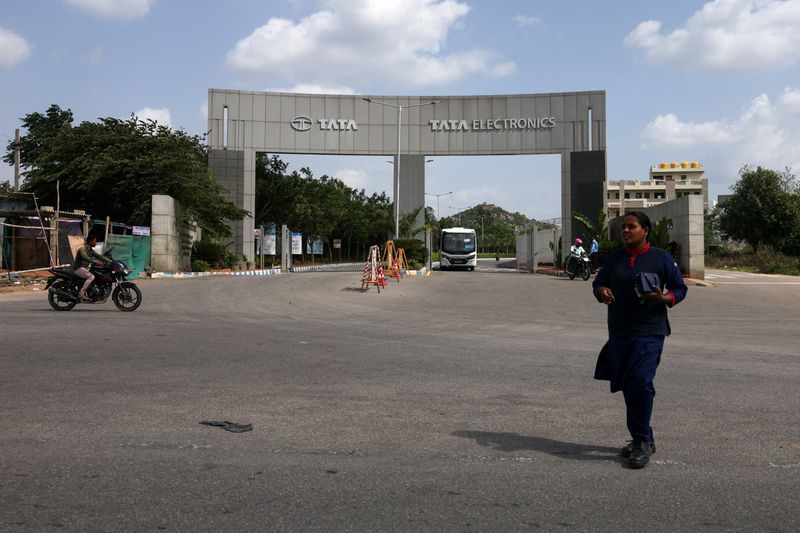
India's Ministry of Electronics and Information Technology has initiated a formal investigation into a major data breach at Tata Electronics, following the exposure of sensitive information related to Apple's upcoming iPhone 18 Pro. The disclosure marks the government's first official acknowledgment of the incident, with the ministry's IT secretary confirming on Thursday that authorities are examining the scope and implications of the security failure at the Bengaluru-based manufacturing facility.
The compromise at Tata Electronics, which serves as a key assembly partner for Apple's iPhone production in India, resulted in the theft and subsequent publication of numerous confidential files on the dark web. Among the exposed materials are detailed component specifications and photographs of the iPhone 18 Pro models, information that Apple typically guards with considerable vigilance. The ransomware group responsible for the breach also obtained and released sensitive documentation belonging to other major technology companies, including Tesla, Qualcomm, and TSMC, suggesting a coordinated campaign targeting the global semiconductor and electronics supply chain.
India's Computer Emergency Response Team, the country's primary cybersecurity authority, has been formally notified of the incident as part of standard protocol for significant data breaches. The involvement of this agency underscores the seriousness with which Indian authorities are treating the matter, particularly given the strategic importance of electronics manufacturing to the country's broader economic development agenda. The incident occurs amid India's concerted efforts to position itself as an alternative manufacturing hub for global technology companies seeking to diversify away from concentrated supply chains in other regions.
The leaked materials contain at least six separate files detailing the specific manufacturers responsible for producing individual components destined for the iPhone 18 Pro lineup. This granular supplier information remains proprietary and is not disclosed through Apple's publicly available supplier list, making its exposure particularly damaging to the company's competitive strategy. Apple maintains strict confidentiality around supplier relationships and production specifications to prevent competitors from reverse-engineering supply chains and to maintain negotiating power with component manufacturers.
Tata Electronics' role as an Apple manufacturing partner represents a significant validation of India's capabilities in high-precision electronics assembly. The company has invested substantially in developing facilities capable of meeting Apple's exacting quality and security standards. However, the breach exposes vulnerabilities in the security infrastructure protecting sensitive intellectual property and commercial relationships within the Indian manufacturing ecosystem. Such compromises can undermine confidence among multinational corporations considering India as a production destination and may prompt questions about the adequacy of cybersecurity protocols at critical supply chain nodes.
Apple's anticipated September launch of the iPhone 18 Pro and Pro Max models now occurs under a cloud of uncertainty regarding the security of production plans and component sourcing strategies. The leaked photographs of unreleased device prototypes represent a significant breach of Apple's product secrecy, potentially impacting the company's carefully orchestrated announcement and marketing strategies. The exposure also provides competitors and parts manufacturers with insights into Apple's engineering decisions and supplier preferences, information that typically commands premium confidentiality protection.
In response to the breach, Tata Electronics has engaged an international forensic investigation firm to conduct a comprehensive security audit and determine the extent of the compromise. This external investigation reflects the seriousness with which the company is treating the incident and suggests recognition that the breach likely involved significant lapses in data protection protocols. The involvement of a global consultant also indicates coordination with Apple and other affected companies in understanding the scope of stolen information and identifying affected systems.
The incident highlights the increasing sophistication of ransomware operations targeting the technology supply chain, where the value of stolen intellectual property and commercial relationships creates substantial leverage for extortionists. For Malaysia and other Southeast Asian nations competing to attract electronics manufacturing investment, the Tata Electronics breach serves as a cautionary example of the cybersecurity infrastructure requirements demanded by multinational technology companies. Facilities seeking to handle sensitive projects for global technology leaders must invest substantially in security measures, threat monitoring, and incident response capabilities.
The timing of this breach intersects with broader geopolitical efforts to rebalance global manufacturing away from concentrated nodes of production. India's push to become a significant iPhone assembly location represents part of Apple's strategy to reduce dependence on Chinese manufacturing, with the company gradually expanding operations in India through Tata and other manufacturing partners. The security failure potentially complicates this transition and may prompt Apple to impose more stringent security requirements on all manufacturing partners, including those in Malaysia, Vietnam, and other regional production hubs.
For the broader Indian technology sector and government's aspirations to build a globally competitive electronics manufacturing ecosystem, the Tata Electronics breach represents both a security challenge and an opportunity to strengthen protocols and demonstrate commitment to protecting sensitive international partnerships. The government's prompt investigation and coordination with cybersecurity agencies signal recognition that maintaining the confidence of multinational corporations requires robust response to security incidents. Going forward, this incident will likely influence how technology companies assess security risks associated with manufacturing operations in India and similar emerging economies competing for supply chain investment.

