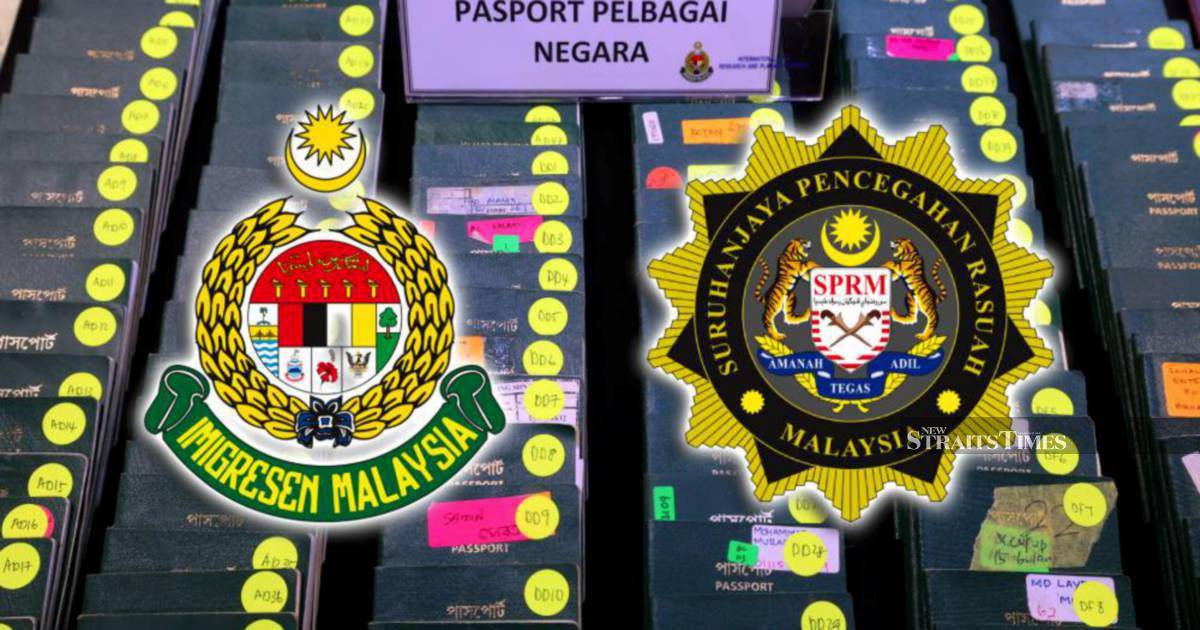
A coordinated crackdown by Malaysia's Anti-Corruption Commission and Immigration Department has resulted in the detention of 12 individuals suspected of operating an organised crime ring that breached the country's immigration database. Among those arrested are four officers from the Immigration Department itself, pointing to the involvement of internal actors in what authorities describe as a sophisticated cyber-enabled fraud scheme targeting Malaysia's employment visa processing systems.
The syndicate is believed to have exploited vulnerabilities in the MyIMMs platform—the centralised Malaysian Immigration Management System that handles millions of visa applications, renewals, and employment approvals annually. By gaining unauthorised access to this critical infrastructure, the network allegedly fabricated documentation and circumvented standard vetting procedures to illegally issue Temporary Employment Visit Passes (PLKS). These passes are essential documents that authorise foreign nationals to work legally in Malaysia across various sectors including manufacturing, construction, hospitality, and domestic services.
The implications of this breach extend far beyond administrative irregularities. The system compromise raises significant questions about national security, as fraudulent work permits could potentially mask the entry of individuals who would ordinarily be flagged during background checks or security screenings. Such lapses in immigration controls can create vulnerabilities that undermine border integrity and law enforcement's ability to track foreign populations within the country. For Malaysia, which welcomes over three million documented migrant workers annually, any weakness in employment visa verification poses compounded risks to workplace safety, tax compliance, and criminal accountability.
The involvement of immigration officers themselves underscores a troubling reality: that systemic vulnerabilities can be weaponised from within. Insiders with legitimate access credentials and operational knowledge of departmental procedures are far more dangerous than external hackers, as they can navigate security protocols more adeptly and obscure their tracks through legitimate administrative channels. The arrest of four civil servants represents a serious erosion of institutional integrity and suggests that corrupt elements may have been embedded within the immigration machinery for some time before detection.
The scope of fraudulent passes issued through this channel remains under investigation. Authorities will need to cross-reference the database records of approved PLKS permits issued during the syndicate's operational window against actual employment placements and employer declarations. This forensic audit could uncover dozens or potentially hundreds of fraudulent entries requiring immediate revocation and investigation of the foreign nationals who entered the country under false pretences. Companies and recruiters who unknowingly participated in the scheme face potential liability and regulatory sanctions.
The MyIMMs system itself has been subject to previous scrutiny regarding cybersecurity robustness. As a digital gateway managing sensitive biometric data, employment records, and immigration histories for millions of users, the platform requires continuous security updates and rigorous access controls. The hacking incident suggests that either preventive security measures were inadequate, or that detection systems failed to flag unusual approval patterns that would typically trigger audits. Immigration authorities will face pressure to conduct a comprehensive security audit and implement stronger multi-factor authentication and algorithmic anomaly detection.
From a regional perspective, this case carries troubling precedent. If a country's immigration database can be compromised to issue false work permits, then the entire labour mobility ecosystem across Southeast Asia—which increasingly relies on inter-country digital verification—comes into question. Malaysia's neighbouring nations including Singapore, Thailand, and the Philippines depend partly on Malaysia's immigration records to validate the status of workers transiting between countries. A compromised MyIMMs system could have created fraudulent documentation that slipped past multiple jurisdictions' vetting processes, effectively creating a transnational vulnerability.
The syndicate's modus operandi likely involved soliciting fees from migrant workers or labour trafficking networks desperate to place workers in Malaysia without standard background checks. This suggests connections to broader organised immigration fraud operations that exploit vulnerable migrant populations. Such networks often prey on workers from Bangladesh, Indonesia, Myanmar, and the Philippines who face lengthy queue times and high costs through legitimate channels, making them susceptible to illegal shortcuts that promise faster employment and lower fees.
Authorities have not disclosed whether the hacking involved sophisticated cyber tools or whether perpetrators exploited more basic vulnerabilities such as credential sharing, social engineering, or unencrypted data transfers. The technical sophistication involved will determine whether international cybercrime agencies become engaged and whether this case intersects with suspected state-sponsored hacking operations or criminal specialising in database breaches across Southeast Asia.
The dismantling of this syndicate represents a necessary enforcement response, yet structural questions linger about how such a breach persisted undetected. The investigation will likely prompt a comprehensive audit of immigration staff conducting work permit approvals, potentially resulting in additional charges against collaborators. For Malaysia's reputation as a professional immigration jurisdiction, rapid remediation and transparent accountability will be critical to restoring confidence among employers, international partners, and legitimate migrant workers navigating the system.
Moving forward, the incident underscores the need for enhanced compartmentalisation of system access, continuous employee security clearance reviews, and the implementation of blockchain-based verification systems that create immutable records of permit issuance. The cost of securing databases against both external and internal threats is substantial, yet the expense of failing to do so—as this case demonstrates—extends far beyond financial loss into border security and institutional credibility.

