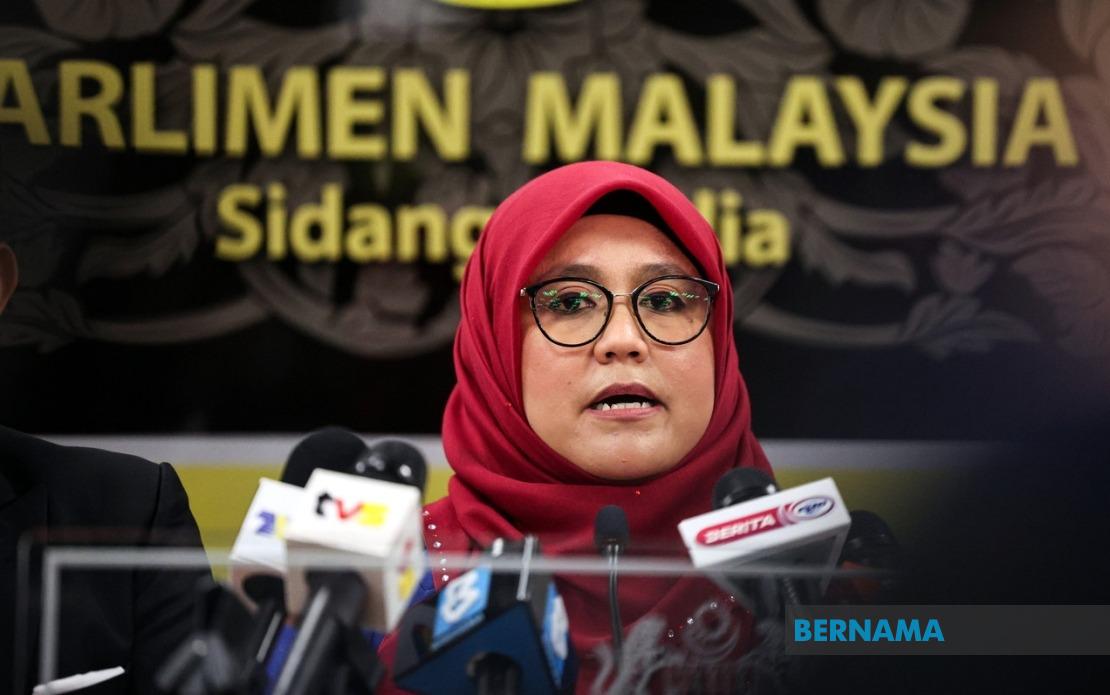
A comprehensive investigation by Malaysia's Public Accounts Committee has identified the true culprit behind surging health insurance premiums: not the fees doctors charge, but rather the proliferation of unregulated non-professional costs imposed by private hospitals. The PAC chairman, Datuk Mas Ermieyati Samsudin, presented findings revealing a fundamental imbalance in how Malaysia's dual healthcare system manages pricing, exposing a regulatory gap that has allowed private institutions to substantially inflate their charges with minimal oversight.
While doctors' professional fees have operated under regulatory controls since 2013, a sprawling category of non-professional expenses remains entirely unmoored from any standardised pricing framework. These charges encompass medical supplies and equipment, pharmaceuticals, diagnostic testing, laboratory services, and the escalating costs of advanced medical technology and treatment modalities. Beyond these tangible items, private hospitals have also absorbed and passed on to patients mounting operational expenses including staff wages, utility bills, technology infrastructure, and the financial burden of litigation and defensive medicine practices. This structural asymmetry has allowed hospitals to use unregulated areas as profit centres, effectively circumventing the intent of professional fee controls.
A particularly damaging finding concerns the complete absence of standardised billing across Malaysia's private hospital sector. Rather than transparent itemisation, each facility has developed its own charging methodology, making it nearly impossible for patients, insurers, and regulators to compare prices or understand what they are actually paying for. This opacity creates conditions where hospitals can justify virtually any charge by claiming unique operational circumstances. The PAC investigation documented how high medicine prices frequently serve a cross-subsidisation function, absorbing nursing services, utilities, and other overhead costs that should logically be billed separately. This bundling obscures the true cost structure and prevents meaningful cost control.
The report also exposed a practice known as unbundling, which operates as the inverse of legitimate bundling. Hospitals separately charge for basic consumables and services that should normally be included in standard room rates or foundational care packages. Clinical waste disposal, pillowcases, alcohol swabs, and comparable low-cost items are broken out and invoiced independently, generating additional revenue streams from what patients reasonably expected to be covered. This nickel-and-diming approach, while individually small, compounds significantly across a hospital stay, particularly for elderly patients or those requiring extended treatment.
Price discrimination further undermines fairness and affordability. The PAC identified systematic disparities in how hospitals charge different patient categories. Those presenting guarantee letters from insurance companies typically face substantially higher rates than cash-paying patients or those utilising the pay-and-claim mechanism. This practice reverses expected economies of scale—insurance-backed patients, who present less credit risk, paradoxically subsidise those paying directly. Such discrimination suggests hospitals exploit insurers' relative indifference to individual transaction costs, knowing the financial burden ultimately transfers to premium-paying members rather than the insurers themselves.
The pharmaceutical pricing chain emerged as another critical vulnerability. The committee discovered significant mark-ups at multiple supply stages, with particularly egregious examples where generic medications cost more than their branded equivalents despite containing identical active ingredients. This perverse outcome reflects not competition but rather fragmentation and opacity. Malaysia's pharmaceutical registration system has created inadvertent monopolies: over 1,500 medicines exist with only a single registered manufacturer nationally. Without competing suppliers, these drugs command whatever price the monopoly holder demands, and without transparent price controls, hospitals and distributors have no incentive to negotiate aggressively.
For Malaysian readers, these findings have immediate relevance. Health insurance premium increases directly erode purchasing power and create barriers to accessing private healthcare, traditionally positioned as a faster alternative to crowded public facilities. As premiums rise faster than general inflation, families increasingly face difficult choices between coverage adequacy and affordability. The middle class, which forms the primary private healthcare customer base, faces particular pressure. Additionally, the PAC's revelations suggest that the premium increases consumers endure do not primarily reflect improved medical capabilities or better doctor compensation, but rather allow hospitals to expand margins and absorb cost inefficiencies that should be addressed operationally.
The committee's response encompassed seventeen specific recommendations, with particular emphasis on accelerating the Diagnosis-Related Group payment system—a internationally tested model that bundles related services into single, predetermined prices, eliminating the fragmented billing that currently prevails. Beyond DRG implementation, the PAC urged legislative amendments to the Private Healthcare Facilities and Services Act 1998, specifically to grant the Ministry of Health regulatory authority over non-professional charges, closing the current regulatory vacuum. Notably, the recommendations also target the pharmaceutical supply chain, calling for the Ministry of Health and the Ministry of Domestic Trade and Cost of Living to establish price regulation mechanisms and explore direct government procurement from manufacturers, particularly domestic producers, to reduce reliance on intermediary suppliers and cartels that inflate costs.
Parliamentary debate on the report attracted contributions from twelve members representing both government and opposition, indicating recognition across party lines that the status quo is unsustainable. MPs converged on several priorities: tightening private hospital charge regulation, mandating insurance industry transparency, and accelerating DRG implementation. Several advocated for strengthening public healthcare investment to reduce patient pressure on private facilities, while others proposed tax measures targeting private hospitals that generate substantial medical tourism revenues. The call for a freeze on fee increases at university hospitals reflected concern that even subsidised providers are contributing to cost inflation.
The challenge facing Malaysian policymakers is fundamentally one of competing regulatory philosophies. The current framework protects doctor incomes through fee regulation while permitting hospitals almost unlimited discretion over non-professional charges. This has incentivised hospitals to shift revenue-seeking from professional services to ancillary and technological domains, essentially gaming the regulatory system. Implementing the PAC's recommendations would require sustained commitment to bringing transparency to private hospital billing, establishing genuine price competition in pharmaceuticals, and fundamentally reshaping how Malaysia's private healthcare system generates revenue. Without these reforms, insurance premiums will continue their upward trajectory, progressively pricing middle-class Malaysians out of the private healthcare market they currently depend upon.

