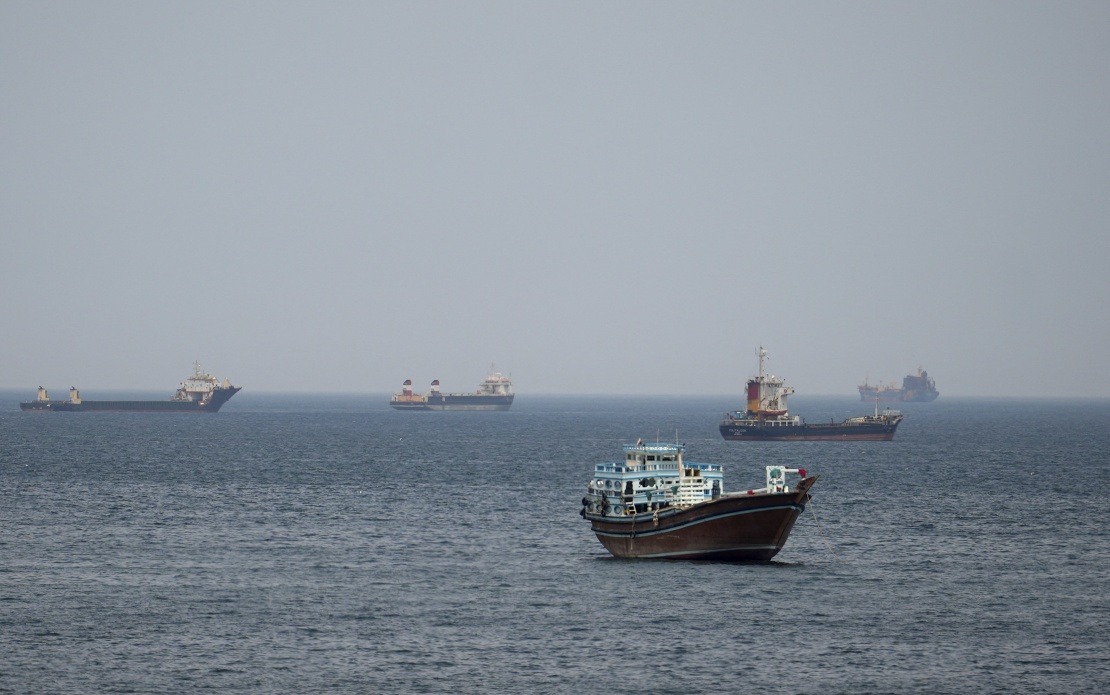
The temporary truce between the United States and Iran took a significant step toward implementation on Thursday when oil tankers resumed transit through the Strait of Hormuz, one of the world's most strategically vital shipping routes. Washington formally lifted its blockade on Iranian vessels as the interim accord came into force, marking a notable de-escalation in a conflict that had disrupted global energy markets for nearly four months. The agreement's immediate effect on energy prices reflected market relief, with crude dropping to its lowest point since hostilities began on February 28, signalling cautious optimism that normal export volumes through the waterway could resume within coming months.
For Malaysia and Southeast Asia's broader economic interests, the resumption of Hormuz traffic carries substantial implications. The strait handles roughly one-fifth of global petroleum supplies, making it essential to regional energy security and manufacturing competitiveness. Elevated oil prices during the war period had rippled through logistics costs and industrial input expenses across the region. Stable, lower-cost energy availability should ease inflationary pressures on regional economies, particularly for fuel-dependent sectors including shipping, aviation, and petrochemicals. However, the precarious nature of the current ceasefire means this respite may prove temporary, demanding that regional policymakers maintain contingency planning for renewed supply disruptions.
The agreement establishes a 60-day negotiating window for resolving the nuclear question that precipitated the conflict in the first place. Both sides have appointed senior negotiators to hammer out provisions governing Iran's atomic programme, with the framework additionally providing for a $300 billion reconstruction fund and associated financial incentives designed to strengthen Tehran's incentive to comply. Vice President JD Vance will helm the American delegation, while US officials have signalled that limiting Iran's long-range missile capabilities will form a central component of Washington's negotiating agenda. These discussions will determine whether the current pause becomes a durable settlement or merely an intermission preceding resumed hostilities.
Yet cracks in the arrangement are already apparent. Despite being party to the ceasefire, Israel has shown no inclination to halt its military campaign against Hezbollah in Lebanon, launching fresh airstrikes even as the agreement took effect. More than a million Lebanese civilians have been displaced by the fighting, creating a humanitarian crisis that threatens regional stability. Israel's military establishment has distributed maps depicting expanded occupation zones, suggesting that Tel Aviv views the accord as irrelevant to its own strategic objectives. This divergence between American diplomatic initiative and Israeli military action represents perhaps the most serious fissure in the emerging settlement.
President Trump's increasingly public frustration with Israeli operations reveals the depth of this policy rift. Stating that Israel would be attacking its "only powerful ally" remaining in the region, Trump has adopted an unusually critical posture toward the government in Jerusalem. This represents a dramatic shift from Trump's first presidency, when his administration embraced an unconditionally pro-Israel orientation. The new tension underscores how Trump's desire to claim a foreign policy success through war termination collides with Israel's independent calculus about threats and territorial acquisition. For observers across Southeast Asia watching great power dynamics, the US-Israel friction demonstrates how multilateral agreements require genuine commitment from all parties, a lesson with implications for regional security arrangements.
Iran's political establishment has struck a more defiant tone than might be expected from a nation emerging from a devastating conflict. Supreme Leader Ayatollah Moitaba Khamenei characterised Trump's signature as an act of "desperation" rather than genuine goodwill, signalling that Tehran intends to drive a hard bargain during the nuclear negotiations ahead. Iranian officials have also asserted that the country will continue exercising administrative control over Hormuz traffic during the 60-day interim period, issuing permits and directing vessel movements, though no transit fees will be imposed. This insistence on maintaining influence over the strategically critical waterway demonstrates that Iran views itself as having emerged from the conflict with enhanced leverage rather than as a defeated party seeking accommodation.
Trump's initial war aims have largely gone unmet, a reality that Republican critics in Congress have begun highlighting. When launching the conflict in late February, the American president articulated an ambitious agenda encompassing destruction of Iran's nuclear weapons programme, elimination of Iranian strike capabilities against neighbouring states, cessation of support for regional militant organisations, and facilitation of internal regime change. Over time, Trump retreated from demands for Iran's "unconditional surrender," ultimately signing an agreement that addresses none of these original objectives. This gap between stated goals and achieved outcomes has created vulnerability for Trump politically, particularly given that Americans broadly oppose the conflict. Whether Trump can leverage ongoing nuclear negotiations to salvage his original ambitions remains uncertain.
Analysts and foreign policy observers have noted that Iran enters the negotiating phase from a position of relative strength. Despite absorbing months of American military pressure, Iran retained sufficient military capability to sustain its operations and continue projecting influence throughout the region. The country exerted effective control over Hormuz throughout the conflict period, demonstrating capacity to disrupt global energy flows. Additionally, the agreement includes financial sanctions relief measures that provide immediate economic benefit to Tehran, creating resources for reconstruction and military modernisation. These advantages suggest that Iran may prove an intransigent negotiating partner when discussions turn to nuclear concessions.
The Lebanese dimension of the agreement faces particularly acute implementation challenges. The ceasefire accord explicitly calls for termination of the war and guarantee of Lebanese territorial integrity and sovereignty. However, Israel's stated unwillingness to withdraw from Lebanon and its demonstration of expanded occupation maps directly contradict these provisions. Lebanon's government remains too weak to enforce territorial claims against Israeli forces, and Hezbollah's degraded condition following months of conflict limits its capacity to mount armed resistance. This situation creates a dangerous vacuum where the agreement's text is unenforceable, risking renewed escalation if Trump's commitment to forcing Israeli withdrawal falters.
For Malaysia's foreign policy positioning, the agreement offers mixed signals. The temporary restoration of oil supply stability through Hormuz benefits regional economic interests and justifies support for American diplomatic efforts toward de-escalation. However, the visible rift between American diplomatic initiatives and Israeli military actions, combined with Iran's defiant negotiating stance, suggests that Middle Eastern instability remains endemic rather than resolved. Malaysia's historical policy of non-alignment and its substantial Muslim population create incentives to monitor whether Trump actually constrains Israeli operations or whether American diplomatic leverage proves insufficient. The coming 60 days will reveal whether the interim agreement represents genuine conflict resolution or merely a tactical pause before resumption of hostilities.

