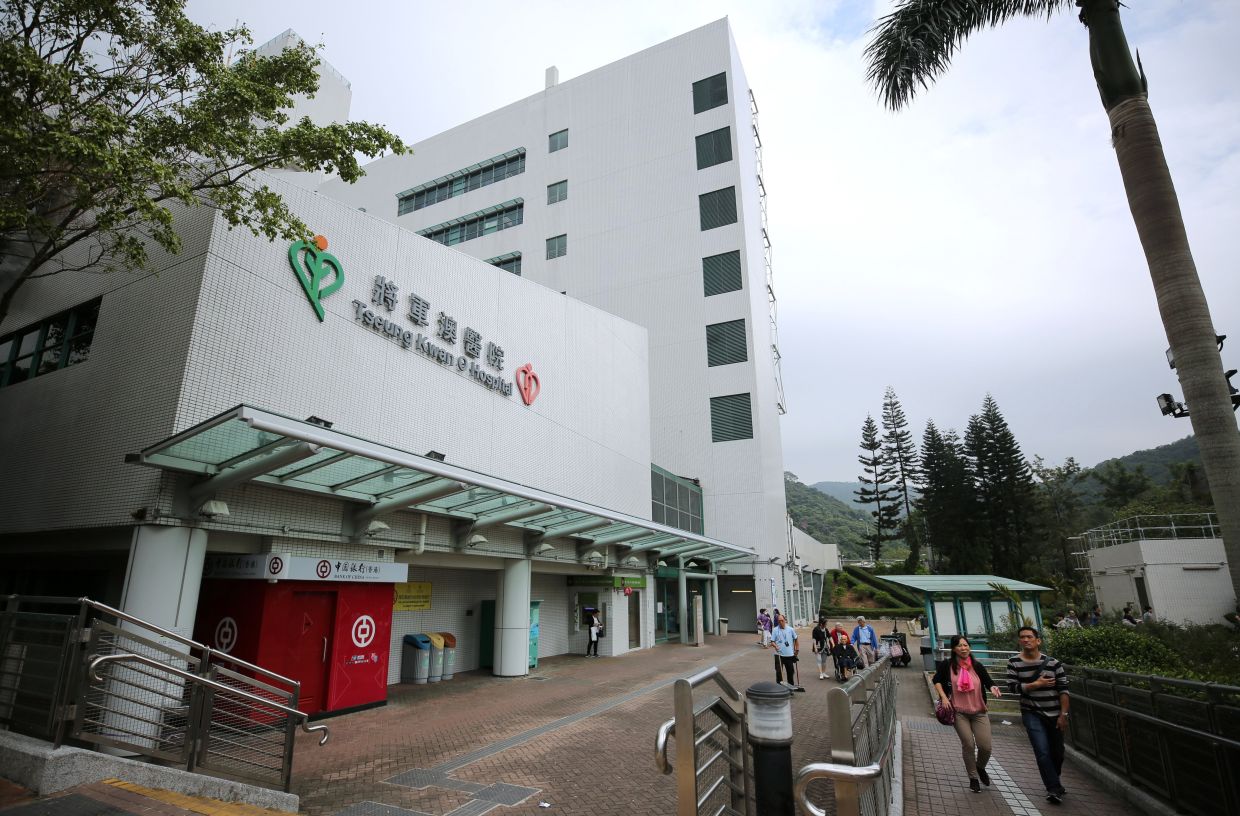
An elderly woman in Hong Kong died three weeks after surgeons accidentally operated on the wrong organ, operating on her stomach instead of her colon during what was meant to be a routine procedure to relieve a bowel blockage. The blunder at Tseung Kwan O Hospital has reignited concerns about patient safety standards and prompted calls from former lawmakers for the surgeon's dismissal, with investigators concluding that the error stemmed from a well-documented cognitive bias that affected the surgical team's judgment.
The 85-year-old patient came to the hospital on February 7 with obstructive sigmoid colon cancer. Medical staff planned to create a transverse colostomy—a surgical opening in the abdominal wall to bypass the blocked intestine—a common and generally safe procedure for managing such conditions. Initially after surgery, the patient's vital signs appeared reassuring, which may have masked the catastrophic error that had taken place inside her body.
Within weeks, troubling signs emerged. The surgical opening, known as a stoma, was producing abnormally high output, a red flag that something had gone fundamentally wrong. Doctors, however, did not recognise this warning. By early March, the patient's condition collapsed rapidly. Her blood pressure plummeted and her heart rate soared, prompting emergency readmission from Haven of Hope Hospital. Only then did imaging reveal the shocking truth: surgeons had created the stoma in the stomach, not the colon.
The patient's health deteriorated irreversibly over the following days. On March 3, with her condition beyond recovery and no prospect of meaningful intervention, her family consented to a do-not-attempt-resuscitation order. She died that day. The hospital publicly disclosed the incident in March after media outlets made inquiries, triggering both a formal investigation and a referral to the Coroner's Court.
The investigation report, released this week, directly identified the surgeon's cognitive shortcoming as the root cause. Hospital officials stated that the surgeon had exhibited "confirmation bias" when identifying structures within the abdominal cavity. In essence, the surgeon formed an early assumption about what he was looking at and failed to verify that assumption through additional checks before proceeding with irreversible action. Rather than the transverse colon, he exteriorised—brought out and opened—the stomach, committing an error that proved fatal.
Beyond the surgeon's individual lapse, investigators uncovered a web of systemic failures that compounded the initial mistake. The surgical and rehabilitation teams communicated poorly, delaying reassessment of the patient's condition even after she showed signs of distress. Healthcare staff monitoring the stoma lacked sufficient experience to recognise that the abnormal output signalled a catastrophic complication. Nobody on the medical team performed confirmatory measures to verify that the correct organ had been operated on. These gaps in procedure and oversight transformed a serious error into an avoidable tragedy.
Former lawmaker Michael Tien Puk-sun, who has tracked healthcare governance issues, responded to the report with sharp criticism. He noted that the surgeon had a documented history of previous errors and called for authorities to consider demotion or outright termination of employment. "The investigation findings were unbearable, and the authority says it will make improvements all the time following blunders. When will we really see improvement?" he said, adding that such a basic surgical mistake contradicted Hong Kong's reputation as a destination for high-quality medical services. The comment reflects broader anxiety in Hong Kong about whether institutional responses to medical disasters lead to genuine change or merely rhetorical commitments.
The hospital's investigation team proposed multiple reforms aimed at preventing similar incidents. These include a comprehensive review of clinical governance within the surgery department, mandatory involvement of the surgical team in patient care even after transfer to rehabilitation settings, and requirements that specialist nurses assess all post-operative stoma and wound patients with rigorous documentation and timely reporting chains. The recommendations reflect recognition that no single individual failure caused this death; rather, insufficient systems for verification, communication, and specialist review allowed one person's cognitive error to proceed unchecked.
Tseung Kwan O Hospital has stated it will implement these recommendations and has already begun restructuring its department of surgery under a new cluster-based governance model intended to improve oversight. The hospital indicated it would pursue human resources procedures with the doctors involved and may refer the case to the Medical Council, Hong Kong's regulatory body for physicians. Whether these measures will satisfy public concern about the standards of care remains uncertain.
For Malaysian and Southeast Asian healthcare systems, the incident serves as a cautionary reminder of how even technically routine procedures can turn fatal without robust verification protocols and strong communication between surgical and post-operative care teams. The confirmation bias identified by investigators is a universal cognitive vulnerability that exists in operating theatres across the region. Hospitals throughout Southeast Asia would benefit from examining whether they have equivalent systems to prevent a surgeon's initial assumption from bypassing the verification checks that might save a patient's life. The case underscores that investment in these safeguards is not bureaucratic excess but a fundamental requirement of responsible surgical practice.

