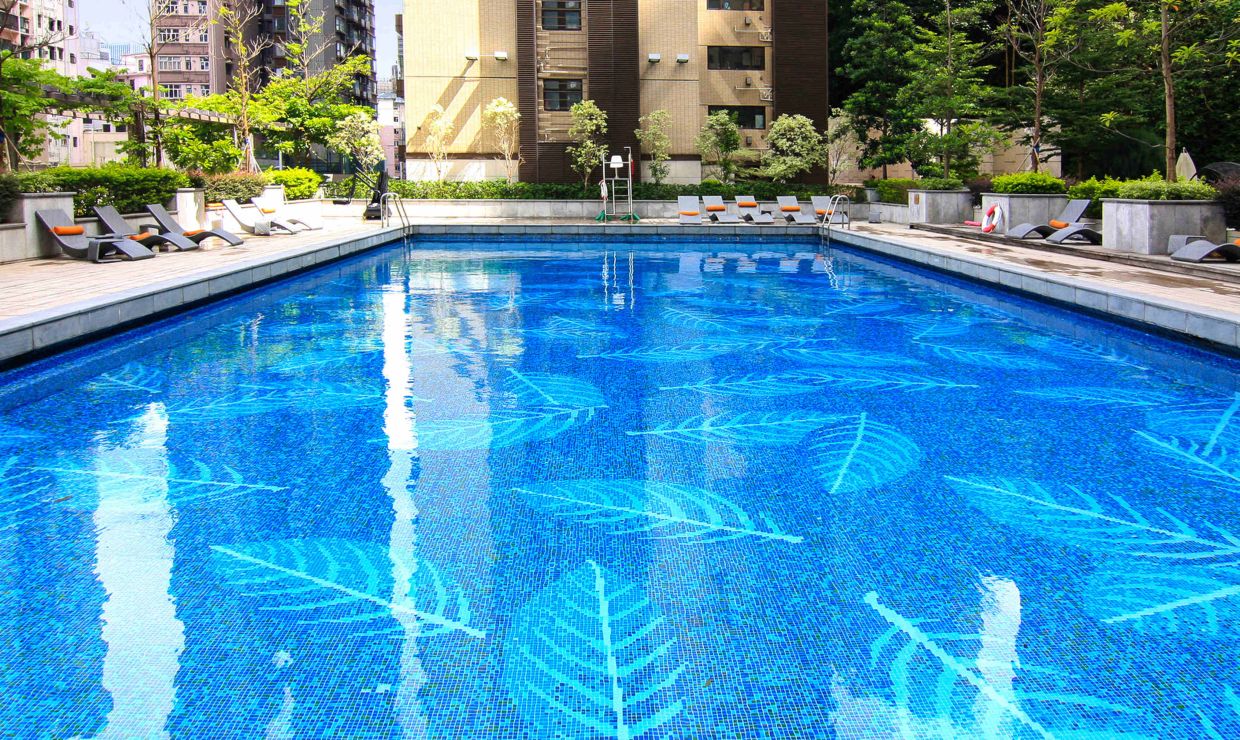
A private swimming pool serving residents of a housing estate in Hong Kong's upmarket Happy Valley neighbourhood has been forced to close its doors following the discovery that at least one lifeguard on duty possessed fraudulent safety credentials. The decision by the Food and Environmental Hygiene Department (FEHD) to immediately suspend operations at the facility on Ventris Road highlights serious compliance gaps in how private pool operators vet and maintain their safety personnel, a concern that extends well beyond this single case.
The scheme came to light after authorities conducted routine verification checks with the Hong Kong China Life Saving Society, the body responsible for certifying legitimate lifeguard qualifications across the territory. When FEHD officers submitted records of the pool's on-duty staff for validation on Wednesday, the society's response the following day revealed a critical mismatch: the lifeguard's claimed credentials did not correspond with any official records held by the certifying organisation. This straightforward administrative check exposed what appears to have been either deliberate credential falsification or gross negligence in hiring practices by the pool's management.
The immediate closure was necessary under Hong Kong's Swimming Pools Regulation because the discovery left the facility without the statutorily mandated minimum number of properly qualified lifeguards present during operating hours. Beyond simply shutting down operations, authorities have initiated steps to prosecute the pool's licensee and have referred the suspected fraud case to police for criminal investigation. The FEHD has also notified the Property Management Services Authority for additional follow-up action, indicating a multi-agency approach to addressing what appears to be a serious breach of public safety protocols.
The Ventris Road location has been identified as the Winfield Building, a private residential development where such facilities are typically available as amenities for owners and residents. Private pools in Hong Kong, while more numerous than public facilities, operate under strict regulatory frameworks precisely because they serve confined populations where safety supervision directly impacts members' wellbeing. The FEHD's enforcement action demonstrates that these standards are not merely advisory but actively policed.
The incident arrives as Hong Kong has substantially tightened oversight of private pool operators following earlier concerns about safety compliance. Beginning in May of the previous year, the FEHD mandated that all private pool licensees must physically examine and retain copies of employment documents, including identity papers and Pool Lifeguard Awards, before hiring safety personnel. Additionally, duty rosters must be verified and countersigned by both the lifeguards themselves and management-appointed inspection staff, creating a paper trail intended to prevent precisely this type of credential substitution.
The scale of the FEHD's current verification efforts underscores how seriously authorities now treat this issue. Between January and July this year alone, inspectors conducted approximately 7,000 visits across more than 1,400 licensed private pools throughout Hong Kong, during which they verified the qualifications of roughly 2,100 individual lifeguards. These numbers suggest that credential verification has become a core enforcement priority rather than a peripheral compliance check. The frequency and scope of these inspections indicate that regulators harbour legitimate concerns about systematic compliance failures across the private pool sector.
This closure is not an isolated incident but reflects a broader pattern. The FEHD previously uncovered another case involving the suspected deployment of unqualified lifeguards at a different facility after the enhanced regulatory regime came into effect. The recurrence of such violations suggests that despite tightened rules, some pool operators either remain unaware of their obligations or choose to circumvent them, perhaps to cut costs by avoiding costly legitimate certification or retaining experienced but uncertified staff.
The implications of deploying lifeguards without proper credentials extend beyond mere regulatory technicality. Lifeguard certification programmes, including Hong Kong's Pool Lifeguard Awards, incorporate training on water rescue techniques, cardiopulmonary resuscitation, emergency response protocols, and scenario-based decision-making under pressure. An individual without these qualifications may be unable to respond effectively during actual emergencies, potentially transforming a recoverable incident into a tragedy. This is particularly concerning at private residential pools where the user base may include children and non-swimmers who rely entirely on supervision personnel.
The FEHD's statement emphasising that "swimming pool licensees must strictly comply with the Swimming Pools Regulation" and maintain "sufficient qualified life-saving attendants" reads as both a reminder and a warning to other private pool operators. The prosecutorial approach toward the Ventris Road facility's licensee signals that regulatory violations now carry material consequences beyond operational suspension. For Malaysian readers and Southeast Asian observers, Hong Kong's approach illustrates how developed regulatory systems respond when institutional safeguards fail—through swift enforcement, multi-agency coordination, and the threat of criminal liability for responsible parties.
Looking forward, the FEHD has signalled plans to intensify surprise inspections and spot checks during peak swimming seasons, making compliance increasingly difficult to fake through advance preparation. This reactive enforcement strategy complements the existing preventive framework of mandatory document retention and verification. For pool operators and management companies, the message is unambiguous: credential fraud will be detected, prosecuted, and potentially result in loss of operating licences. Whether this enforcement escalation will deter future violations or simply drive them further underground remains to be seen, but the willingness to shut profitable facilities and pursue criminal charges suggests Hong Kong authorities view public pool safety as non-negotiable.

