The independent committee tasked with investigating Hong Kong's deadliest residential fire in decades has chosen to operate without statutory powers, a decision that has alarmed survivors and observers who worry about potential gaps in scrutiny. Justice David Lok Kai-hong, who chairs the panel examining the Wang Fuk Court blaze, announced that the committee would not request the chief executive to convert it into a statutory commission of inquiry, even as the investigation resumed on Monday following a six-week hiatus. This decision carries significant implications for how thoroughly the incident can be examined and what enforcement mechanisms the inquiry will have at its disposal.
The Wang Fuk Court fire, which occurred last year in Hong Kong's Kowloon district, claimed multiple lives and stands as one of the territory's most devastating residential building incidents in recent memory. The scale of casualties and the widespread impact on the community created intense public pressure for a comprehensive and transparent investigation. Survivors and their families have looked to the inquiry process as a means of understanding how the disaster happened and what systemic failures may have contributed to the loss of life. The decision to forego statutory powers now threatens to undermine confidence in the investigation's ability to compel testimony, access records, and ultimately hold relevant parties accountable.
Statutory commissions in Hong Kong possess significant legal authority that non-statutory panels lack. Such commissions can compel witnesses to attend hearings and provide testimony under oath, with legal consequences for non-cooperation or false statements. They can demand access to government and corporate documents, issue subpoenas, and conduct proceedings with formal rules of evidence and cross-examination. The committee's decision to operate without these tools means it must rely on voluntary cooperation, which could leave critical gaps in the investigation if key witnesses decline to participate fully or if sensitive documents are withheld.
Justice Lok's position reflects a broader tension within Hong Kong's investigative framework. While independent committees offer flexibility and can move more quickly than statutory inquiries, they lack the legal muscle to ensure comprehensive fact-finding. The choice appears to prioritise procedural efficiency over investigative robustness, a trade-off that may ultimately disadvantage those seeking answers about preventable failures. The six-week pause in proceedings, now concluded, has already extended the timeline, suggesting that efficiency concerns may not have been decisive in this calculation.
The fire raises questions about building safety standards, fire suppression systems, emergency evacuation procedures, and regulatory oversight that had been neglected or inadequately enforced. A thorough investigation requires the ability to interview reluctant witnesses, access confidential building records, and examine decisions made by government agencies responsible for fire safety. Without statutory authority, investigators must persuade parties to cooperate rather than compel them, a fundamentally weaker position. This is particularly concerning given that some of the responsibility may lie with government bodies or private companies that could have incentives to limit disclosure.
For Malaysia and other Southeast Asian nations with similar building density and fire safety concerns, the Hong Kong inquiry holds important lessons. Many regional cities face comparable challenges with older residential buildings, mixed-use developments, and the balance between safety compliance and pragmatic building management. A thorough Hong Kong investigation could yield insights applicable across the region. However, if that investigation is hampered by limited statutory powers, the opportunity to learn from a major incident is diminished. Malaysia's own fire safety regulatory framework would benefit from studying how Hong Kong addresses the institutional and technical dimensions of building fire prevention and response.
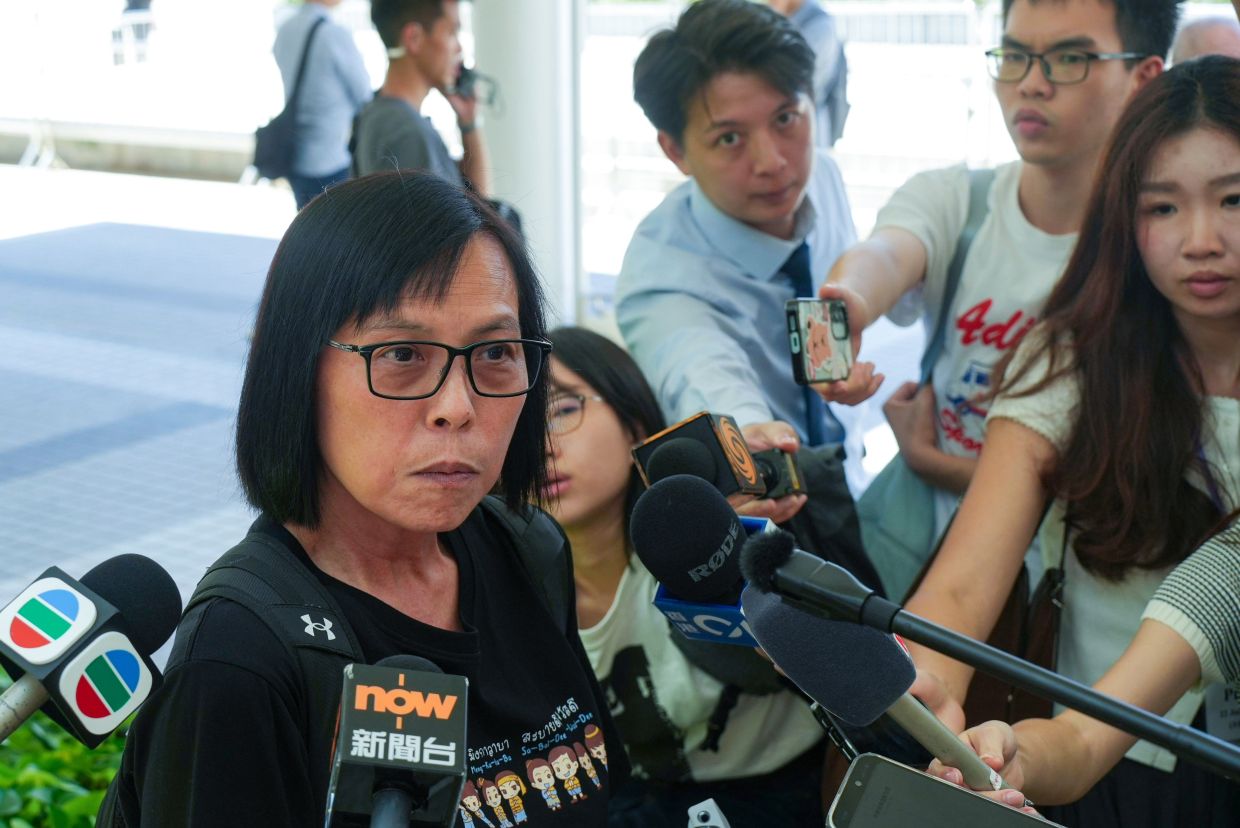
Survivor advocates have begun expressing frustration with the committee's position, viewing it as a retreat from accountability standards that major incidents typically warrant. In comparable disasters globally, statutory inquiries have become the norm, recognising that public confidence and thorough fact-finding require formal legal authority. The survivors and families affected by the Wang Fuk Court fire face a situation where the investigation into their tragedy operates with fewer tools than they might reasonably expect. This disparity raises fairness concerns and potentially undermines the legitimacy of whatever findings eventually emerge.
The decision also reflects Hong Kong's governance structures and how senior officials approach accountability mechanisms. Justice Lok's authority to make this determination suggests considerable discretion in how investigations are structured, but the exercise of that discretion in favour of reduced powers is significant. It signals that even in high-profile cases with substantial loss of life, the default position may favour lighter-touch oversight rather than the most stringent investigative mechanisms available. This institutional preference could have reverberations for other inquiries and public confidence in investigations more broadly.
Moving forward, the committee faces the challenge of conducting the most thorough investigation possible within self-imposed constraints. The resumption of hearings after the six-week break offers an opportunity to demonstrate that non-statutory status need not preclude rigorous examination of the facts. However, observers will be watching carefully to see whether witness cooperation remains robust, whether key documents are fully disclosed, and whether the final report adequately addresses the systemic questions the fire raises. For survivors seeking accountability, the inquiry's effectiveness will ultimately be measured not by its legal status but by whether it provides convincing answers and identifies actionable lessons.
The tension between procedural flexibility and investigative authority exemplified by this case speaks to broader challenges in how societies examine major failures and hold institutions responsible. Hong Kong's choice to proceed without statutory powers represents a bet that voluntary cooperation and professional inquiry norms will suffice. Should that gamble fail to deliver comprehensive findings, the consequences will extend beyond the immediate parties involved, potentially affecting how future disasters in Hong Kong and across Asia are investigated and how the public's right to accountability is balanced against administrative convenience.

