A Hong Kong court has sentenced a 65-year-old man with a troubling history of sexual offences to four months imprisonment for groping a secondary school student aboard a bus. The case, which drew intense public attention after a bystander captured the assault on video and shared it online, represents a significant moment in Hong Kong's ongoing reckoning with sexual harassment on public transport and the role of digital visibility in holding offenders accountable.
William Wu Yiu-shing, a former hardware salesman, committed the attack on June 5 at approximately 12.10pm when the double-decker bus operated by KMB stopped at the intersection of Mong Kok Road and Sai Yeung Choi Street South. The victim, a 17-year-old Form Three student, was seated on the upper deck when Wu, positioned directly behind her, reached forward and touched her chest. The entire incident unfolded in a 37-second video that would later become crucial evidence and catalyse public concern about safety on mass transit systems.
The viral nature of the footage proved instrumental in bringing Wu to justice. A pedestrian filming from outside the bus captured Wu in a white tank top persistently groping the teenager even as onlookers shouted verbal warnings at him from the street. Despite these attempts to deter him, Wu continued the assault as the bus pulled away from the intersection. The video's rapid dissemination on social media platforms amplified the incident beyond typical criminal cases, turning it into a focal point for discussions about predatory behaviour and victim vulnerability in crowded public spaces.
The victim's account to police revealed the psychological trauma of such an assault. The 17-year-old described feeling her armpit touched for several seconds and witnessing Wu attempt to grab her further. Overwhelmed by fear, she remained frozen during the incident and immediately returned home afterwards without reporting it at the time. Her delayed response reflects patterns documented among young victims of sexual harassment who often struggle to process trauma and feel shame despite bearing no responsibility for the offence committed against them.
Wu's apprehension demonstrated the efficiency of modern law enforcement when public evidence is available. He was arrested the same day at the Hong Kong-Zhuhai-Macau Bridge border checkpoint upon returning from Macau. During questioning, he confessed to the assault and acknowledged that he had committed it to satisfy sexual impulses. Significantly, Wu admitted to police that he had engaged in similar conduct previously, a confession that aligns with his documented criminal history.
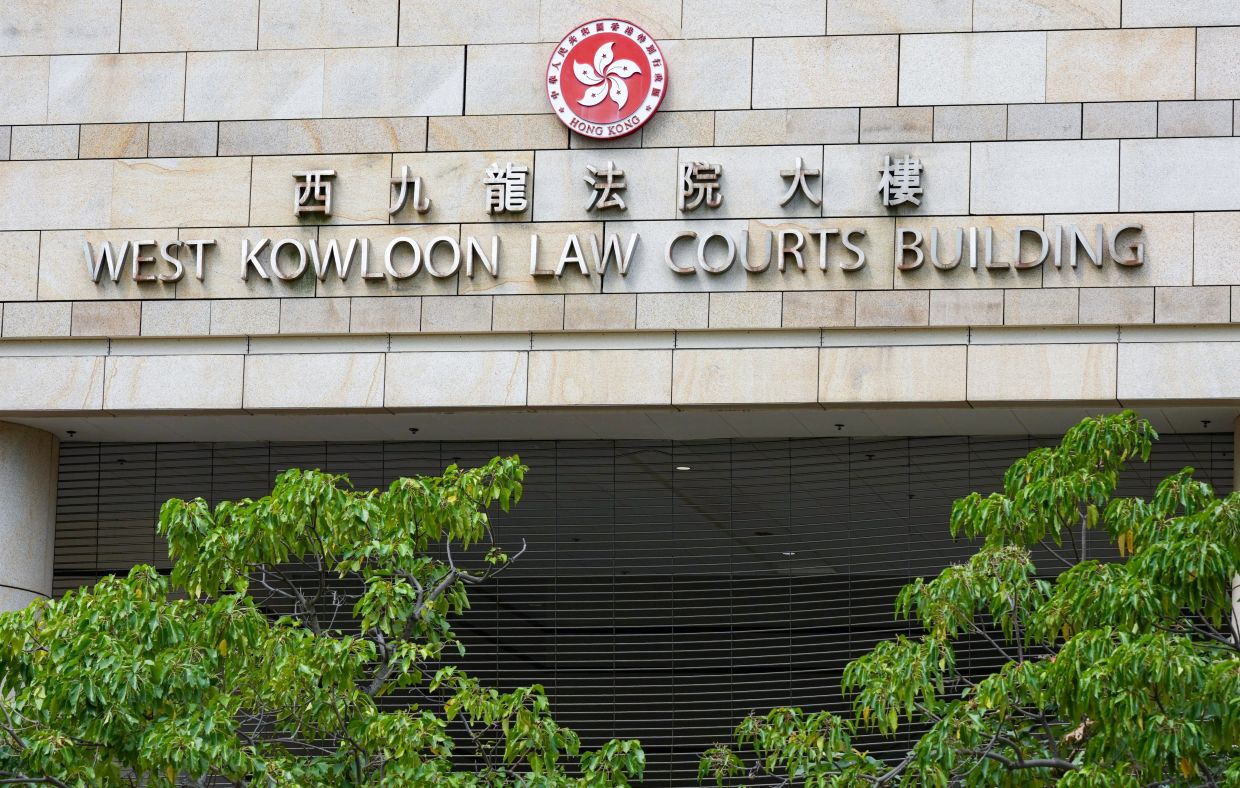
What distinguishes this case is Wu's extensive prior record. He entered the courtroom carrying three previous convictions for indecent assault, establishing him as a habitual offender rather than a first-time transgressor. This pattern is crucial context for understanding sentencing decisions and raises questions about the adequacy of previous interventions and rehabilitation efforts. The West Kowloon Court, hearing Wu's guilty plea submitted last month, factored this criminal history into its determination of the four-month custodial sentence.
During sentencing, Wu's legal representative emphasised certain mitigating factors intended to portray the offender in a sympathetic light. The lawyer stressed that Wu had demonstrated frank acknowledgment of his crimes and accepted responsibility for both the current offence and his historical pattern of similar misconduct. Furthermore, the defence indicated that Wu expressed willingness to undergo psychological treatment as part of his rehabilitation programme, suggesting a recognition that his behaviour stems from underlying issues requiring professional intervention.
The sentencing guidelines for indecent assault in Hong Kong provide considerable latitude to judges and magistrates. The offence carries a maximum penalty of ten years imprisonment when handled by higher courts, though this is reduced to a two-year maximum when heard by a magistrate, as occurred in Wu's case. The four-month sentence therefore occupies the lower to mid-range of permissible penalties, suggesting the court balanced acknowledgment of Wu's criminal history against his guilty plea and expressions of willingness to pursue treatment.
Wu has remained in custody since his prosecution commenced on June 8, meaning he has already served approximately two months of his sentence. This detention period typically counts toward his total sentence, positioning him for possible early release within approximately one month under Hong Kong's remission system. The prospect of relatively rapid return to society raises questions about whether the sentence duration and rehabilitation framework are sufficient to deter future offending, particularly given Wu's established pattern of repeated assault.
This case carries broader implications for Southeast Asia's major urban centres, where rapid mass transit expansion has created environments where crowded conditions and anonymity can enable predatory behaviour. The incident illustrates how digital technology and social media can amplify accountability mechanisms beyond traditional law enforcement channels, potentially serving as a deterrent when perpetrators know their actions risk viral exposure. However, it also underscores the continuing vulnerability of young women and girls using public transport systems across the region.
The intersection of victim experience, public visibility, and judicial response evident in this case offers lessons for Malaysian transport authorities and courts. While Hong Kong has established sentencing frameworks for indecent assault, Malaysia's approach to harassment on public transport remains inconsistently addressed across legislation. The role of video evidence in securing conviction and the public discourse sparked by viral footage demonstrates the importance of both technological infrastructure allowing witnesses to record incidents and legal frameworks that permit rapid prosecution.
For Malaysian readers, the case highlights ongoing regional challenges in protecting vulnerable passengers on mass transit. Public transport networks in Kuala Lumpur, George Town, and other major cities serve millions daily, creating environments where harassment can occur with relative impunity if witnesses remain silent or authorities lack capacity to respond. The Hong Kong prosecution offers a model for how coordinated responses combining public visibility, rapid police response, and judicial accountability can function, though questions remain about prevention and rehabilitation effectiveness across all jurisdictions.

