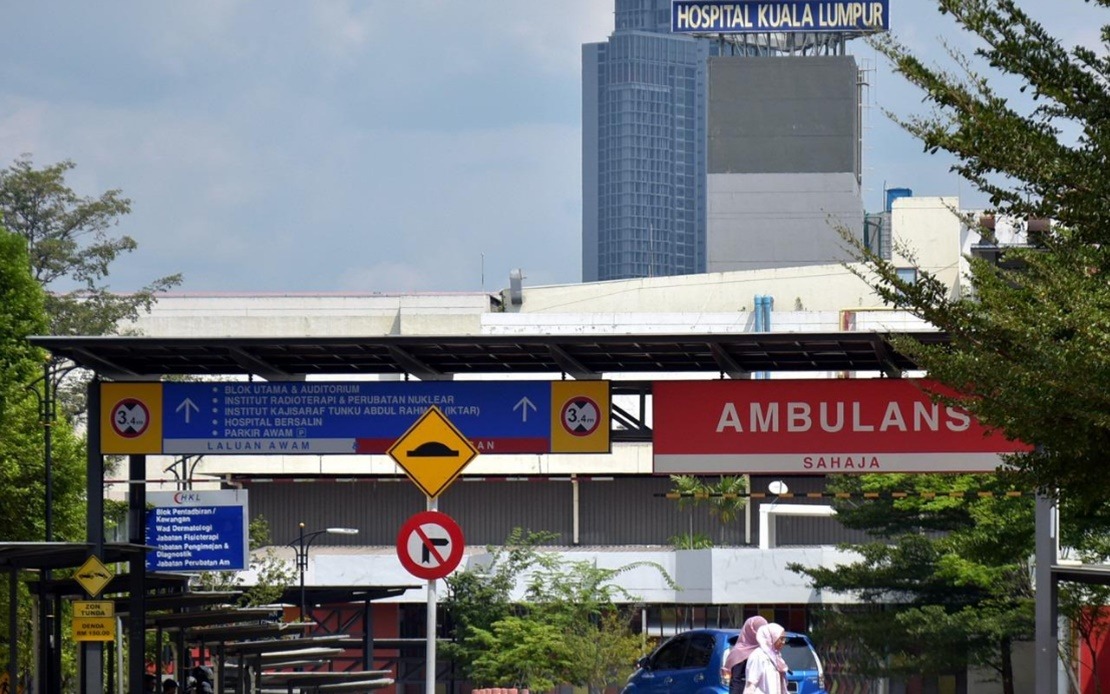
Hospital Kuala Lumpur has moved swiftly to distance itself from a viral social media video that allegedly showed unsanitary toilet conditions at a public healthcare facility in the capital, with the hospital's leadership insisting the footage does not originate from any of its premises. The video, which circulated widely on Facebook on August 1, sparked public concern about hygiene standards at what viewers believed to be a major hospital, but HKL's management has firmly rejected the association.
In an official response, HKL director Datuk Dr Harikrishna K. R. Nair stated that a comprehensive investigation had been initiated immediately upon learning of the allegations. The hospital's team examined all public sanitation facilities under its operational purview to verify the claims contained in the disputed video. This thorough procedural approach underscores the seriousness with which Malaysia's healthcare sector is treating concerns about facility standards, particularly as such issues can rapidly damage institutional credibility in the digital age.
The hospital's investigation concluded that the toilet depicted in the viral footage does not exist within HKL's facilities. Critically, the design and specifications of the toilet shown in the video differ markedly from the standard configuration of sanitation units operated by HKL across its premises. This architectural distinction provides tangible evidence supporting the hospital's assertion that the video was either filmed elsewhere or misrepresented when attributed to HKL. The specificity of this finding suggests the hospital conducted a detailed comparative analysis.
Dr Harikrishna expressed concern that the circulation of unverified allegations amounted to an irresponsible action that could undermine the professional reputation of HKL's workforce. Hospital staff, he emphasised, remain dedicated to delivering quality healthcare and maintaining facilities that meet public expectations. The director's comments reflect broader institutional anxieties within Malaysia's public health system about reputational damage stemming from unverified social media claims, a vulnerability that has become increasingly apparent as online platforms amplify health-related narratives.
The hospital director reaffirmed HKL's commitment to rigorous cleanliness and safety protocols, stating that regular maintenance schedules are implemented across all facilities to ensure compliance with established standards. These programmes encompass preventive measures, regular inspections, and corrective actions designed to maintain hygienic environments for patients, visitors, and hospital personnel. The emphasis on scheduled maintenance reflects international best practices for infection control and public health infrastructure management.
HKL's management has explicitly cautioned the public against further disseminating the video or related false claims, warning that such circulation perpetuates confusion and potentially misleads the community about actual conditions at healthcare facilities. This appeal to responsible digital citizenship addresses a persistent challenge in Malaysia where misinformation regarding public institutions can spread rapidly across messaging applications and social networks, occasionally influencing public perception disproportionately to verified facts.
Simultaneously, HKL has opened channels for legitimate complaints and inquiries, encouraging individuals with genuine concerns about hospital facilities to submit feedback through official mechanisms. This approach balances institutional defensiveness with accountability, signalling that the hospital remains receptive to constructive criticism while resisting unsubstantiated claims. Such dual messaging has become standard practice among Malaysian public agencies responding to viral allegations.
The incident illustrates broader tensions within Malaysia's public sector regarding institutional control of narrative and the challenge of managing reputational crises in an era of instantaneous digital communication. Healthcare facilities, in particular, face heightened scrutiny given their fundamental role in public welfare, and perceptions about cleanliness and maintenance directly influence patient confidence and healthcare-seeking behaviour. Even allegations that are later disproven can leave residual doubts.
For Malaysian healthcare stakeholders, the HKL episode underscores the necessity of proactive facility monitoring and transparent communication strategies. Public hospitals across Southeast Asia increasingly recognise that allowing infrastructure concerns to accumulate creates vulnerabilities to critical narratives, whether accurate or fabricated. Consequently, many institutions now implement more frequent public disclosure of maintenance activities and facility standards. The HKL situation serves as a cautionary example of how institutional reputation can be tested rapidly in contemporary media environments, demanding swift and evidence-based responses from hospital leadership and government health authorities charged with maintaining public confidence in essential services.

