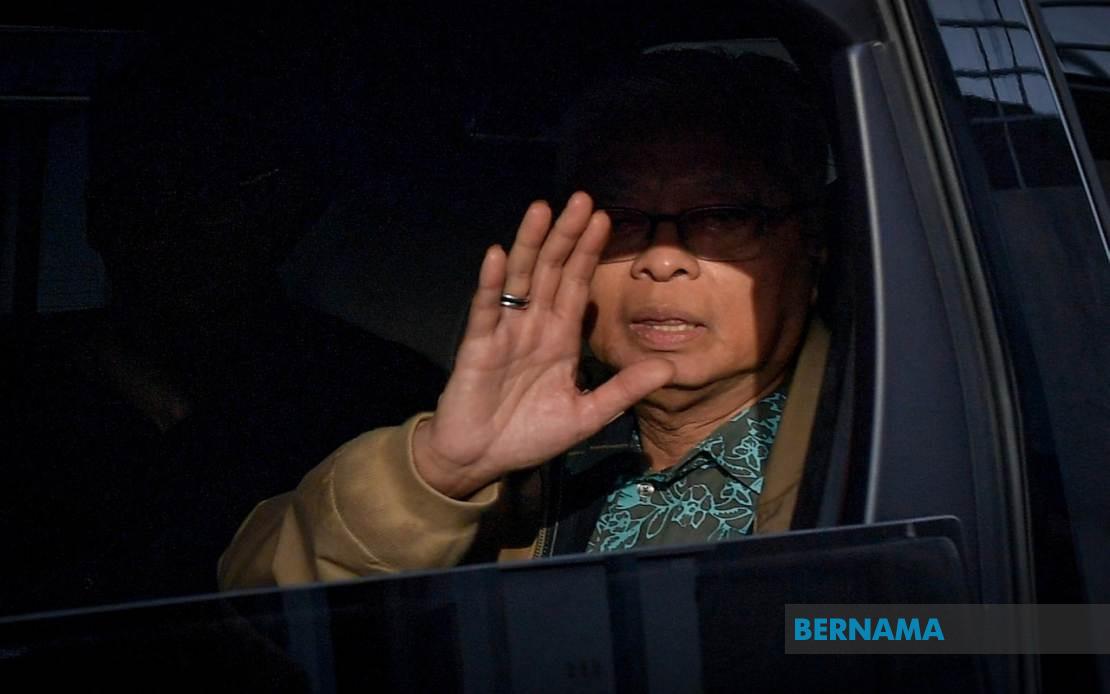
The High Court in Kuala Lumpur has reinforced a significant decision in favour of digital expression by upholding the acquittal of blogger Jufazli Shi Ahmad on charges stemming from YouTube videos he posted criticising former Prime Minister Datuk Seri Ismail Sabri Yaakob and UMNO. Judge Datuk Aslam Zainuddin dismissed the prosecution's appeal on October 18, 2024, maintaining the Sessions Court's earlier ruling to discharge and acquit the defendant, marking an important moment in ongoing judicial consideration of online speech protections in Malaysia.
Jufazli had faced two distinct allegations arising from his 'King Maker Politik' YouTube account. The first charge involved creating and transmitting offensive communications through a video uploaded at 3 pm on June 27, 2022, with the purported intent to annoy another person. Police accessed the video link at 3 pm on July 1, 2022, at the Criminal Investigation Division office of Dang Wangi District Police Headquarters, initiating the investigation that would lead to charges under Section 233(1)(a) of the Communications and Multimedia Act 1998. This provision carries stringent penalties of up to RM50,000 in fines or one year imprisonment upon conviction, with an additional RM1,000 daily fine for each day the offence continues after sentencing.
The second charge represented a separate matter concerning alleged non-compliance with police authority. Jufazli was accused of refusing to surrender the password to his YouTube account during a police interview on July 5, 2022, at 12.10 pm at the same District Police Headquarters. Authorities pursued this under Section 249 of the Communications and Multimedia Act 1998, an offence with potentially more severe consequences including fines up to RM100,000 or imprisonment spanning two years, or both. This dual-pronged prosecution reflected escalating enforcement patterns in Malaysia regarding both online content and digital authentication matters.
The High Court's decision represents a notable affirmation of the Sessions Court's assessment that the prosecution had failed to establish a sufficiently compelling case against the defendant. Judge Aslam, in reviewing the comprehensive appeal records and grounds of judgment from the lower court, determined that the evidence and legal arguments presented by the prosecution did not warrant overturning the acquittal. The dismissal of the appeal underscores judicial scepticism regarding the original charges and suggests that the threshold for establishing liability under these specific provisions may be more demanding than authorities had anticipated.
The case carries broader implications for Malaysia's digital rights landscape, particularly regarding the boundaries of permissible political commentary online. The Communications and Multimedia Act 1998 provisions invoked against Jufazli have frequently attracted criticism from civil society organisations and legal experts who argue that terms such as "offensive communication" and "intent to annoy" remain insufficiently defined, creating chilling effects on legitimate political discourse. The High Court's decision indirectly addresses these concerns by reinforcing that subjective interpretations of offensiveness cannot override the protections necessary for democratic dialogue.
Deputy Public Prosecutor Mohamad Fadhly Mohd Zamry argued the government's position throughout the appeal process, while Jufazli benefited from representation by lawyer Ramesh N.P. Chandran, whose defence apparently persuaded the judiciary that the evidence fell short of criminal standards. The composition of the legal teams reflects the resources typically mobilised in politically sensitive cases, where prosecution teams deploy dedicated prosecutors while defendants engage experienced counsel capable of navigating complex constitutional and statutory frameworks.
The temporal specificity evident in the charges—precise timings recorded for when content was posted and when it was accessed by police—demonstrates the meticulous documentary approach authorities adopted in building their case. Yet the Sessions Court and subsequently the High Court determined that such procedural documentation, while detailed, could not compensate for substantive weaknesses in establishing criminal intent or genuine harm. This procedural emphasis may have actually highlighted the case's fragility from a prosecution perspective.
For Malaysian bloggers and digital content creators, the acquittal signals that critical commentary directed at political figures and parties does not automatically trigger criminal liability merely because authorities find the content objectionable. The decision suggests that courts will scrutinise prosecution claims regarding offensiveness and intent with appropriate rigour, rather than deferring automatically to law enforcement determinations. This represents a potential recalibration of judicial approaches to online political speech in the aftermath of heightened enforcement activity during earlier years.
The resolution of Jufazli's case also arrives amid broader regional and global discussions concerning digital expression and state power. Southeast Asian democracies increasingly grapple with balancing legitimate concerns about online harm against the necessity of protecting political speech from excessive criminalisation. Malaysia's High Court decision, whilst addressing specific statutory provisions, contributes to this broader jurisprudential conversation by insisting on rigorous evidential standards rather than accepting prosecutorial assumptions about the gravity of online political criticism.
Looking forward, the judgment may influence how authorities calibrate future enforcement actions under the Communications and Multimedia Act 1998 and related legislation. Prosecutors may become more circumspect in pursuing cases where the primary basis for allegations rests on characterisations of content as merely "offensive" without demonstrable concrete harm or unambiguous criminal intent. The decision effectively raises the evidentiary bar for successful prosecution of online political speech cases, potentially reducing the number of such matters reaching the courts.
The case underscores an ongoing tension within Malaysian law between provisions nominally designed to protect individuals and society from genuinely harmful communications and the tendency for such provisions to become instruments for suppressing dissenting voices. The High Court's rejection of the prosecution appeal represents a judicial check on expansive interpretations of these statutes, affirming that protections for political commentary remain essential components of constitutional democracy, even when expressed through digital platforms and directed at prominent political figures or organisations.

