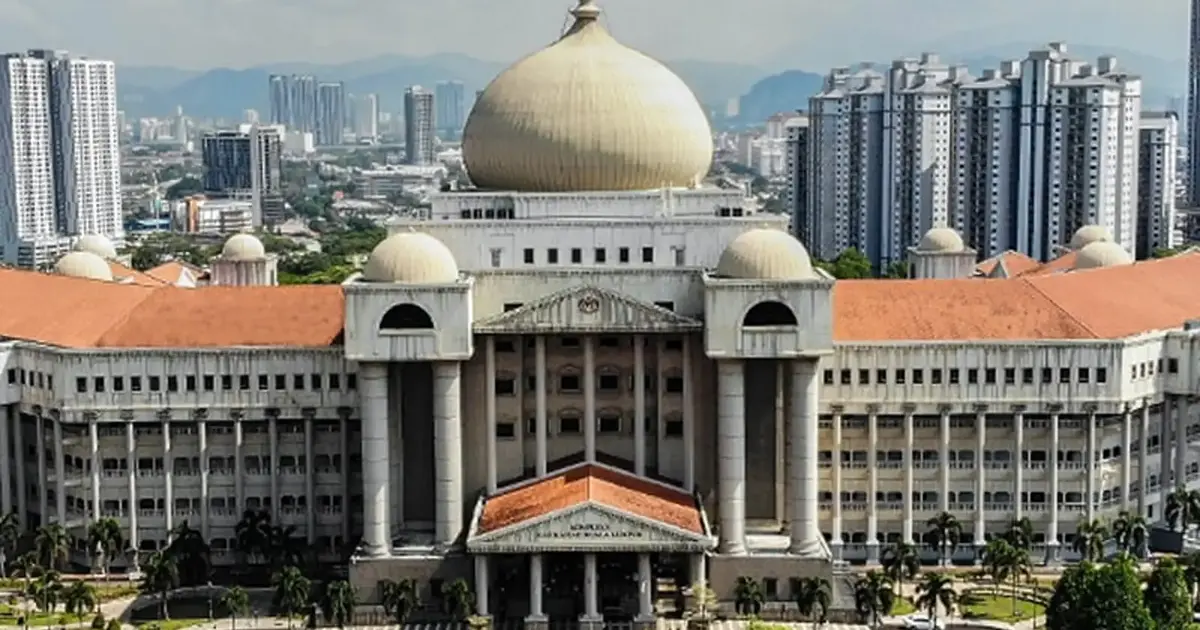
Malaysia's High Court has determined that the Prime Minister cannot be forced to appear as a witness in a RM30 million civil lawsuit, rejecting a subpoena on grounds that he does not qualify as a material witness to the case. The judicial decision, handed down recently, addresses a procedural matter concerning the scope of witness obligations for sitting heads of government and underscores the tension between ordinary legal processes and the practical constraints of high office.
The court's reasoning centred on the legal principle that subpoenas—formal orders requiring a person to testify—can only compel individuals whose evidence is directly relevant and essential to resolving the core factual disputes in litigation. Material witnesses are those whose testimony would bear substantially on the outcome of the case or on matters the court must determine. By contrast, witnesses whose potential evidence is peripheral, speculative, or could be adequately covered through other testimony may be excused from appearing.
This ruling reflects established jurisprudence in Commonwealth legal systems, where courts have long grappled with the question of whether and when sitting governmental leaders can be required to testify in civil matters. The exemption granted to the Prime Minister does not suggest any wrongdoing on his part, nor does it prevent other witnesses from appearing or evidence from being presented through alternative means. Rather, it represents a judicial assessment that his personal testimony is not indispensable to the fair adjudication of the dispute.
For Malaysian legal observers, the decision carries significance beyond the immediate case. It clarifies the boundaries of discovery and witness obligations in civil litigation when senior government officials are involved. The ruling suggests that courts will distinguish between witnesses whose participation is logistically disruptive—such as a serving Prime Minister—and those whose evidence is genuinely non-negotiable, applying proportionality principles to balance the demands of justice against the operational requirements of government.
The RM30 million suit itself remains unresolved on its substantive merits. While the Prime Minister has been excused from the witness stand, the plaintiff's ability to pursue claims and present evidence through other means remains intact. The court's decision does not preclude the introduction of documentary evidence, testimony from other parties, or expert witnesses that might address similar factual terrain that the Prime Minister's evidence would have covered.
This type of procedural ruling is not uncommon in complex civil litigation involving prominent figures or entities. Courts regularly make determinations about whether particular individuals should be compelled to testify, weighing factors such as the specificity of their knowledge, whether their evidence could reasonably be replaced by other testimony, and the burden their attendance would impose relative to the probative value of their contribution. In this instance, the High Court concluded that the balance favoured exempting the Prime Minister.
The implications extend to broader questions about access to justice and witness testimony in Malaysian courts. While protecting the Prime Minister from what might otherwise become a burdensome distraction does recognise the demands of high office, it also reflects judicial pragmatism about what constitutes genuinely essential evidence. The ruling does not establish that government officials enjoy blanket immunity from testifying; rather, it suggests courts will examine each case individually and apply established witness principles fairly.
Regional observers have noted that Singapore, Thailand, and other Southeast Asian jurisdictions have wrestled with similar issues when sitting premiers or government ministers have been drawn into civil disputes. The approaches vary, with some jurisdictions more protective of executive time and others more insistent on universal witness obligations. Malaysia's High Court approach appears to occupy a middle ground, maintaining that no one is above the law while recognising that the practical administration of government justifies reasonable exceptions in appropriate circumstances.
For the parties to the RM30 million dispute, this ruling redirects their litigation strategy. The plaintiff must now develop its case through alternative evidence, which may prove more challenging but is not necessarily insurmountable. The defendant, conversely, loses whatever tactical advantage might have accrued from direct examination or cross-examination of the Prime Minister, though the substantive outcome of the case will depend on other factual findings the court must make.
The decision also illustrates how civil procedure intersects with constitutional principles regarding the separation of powers and the unique status of the executive. While courts generally resist claims of absolute immunity for government officials, they have also recognised that some degree of deference to the demands of governance is both practical and theoretically justified. This High Court ruling threads that needle, denying an absolute exemption while acknowledging that forcing the Prime Minister's attendance in civil court could create genuine inconvenience and disruption.
Going forward, this judgment will likely serve as precedent for other cases involving senior government officials. Lawyers and litigants will cite it when arguing for or against witness subpoenas directed at Cabinet ministers, the Deputy Prime Minister, or other high-ranking officials. The ruling provides a framework for lower courts to apply similar reasoning, though each case will ultimately turn on its specific facts and the particular relevance of the official in question to the issues under dispute.
The Prime Minister's exemption from testifying does not conclude the lawsuit, which will continue through other procedural stages and ultimately through trial on the merits. Justice will still be pursued, evidence will still be examined, and the court will still render a decision based on the facts presented. The High Court has simply determined that the Prime Minister's personal presence in the witness box is not essential to that process, a finding that recognises both the rule of law and the practical realities of modern governance.

