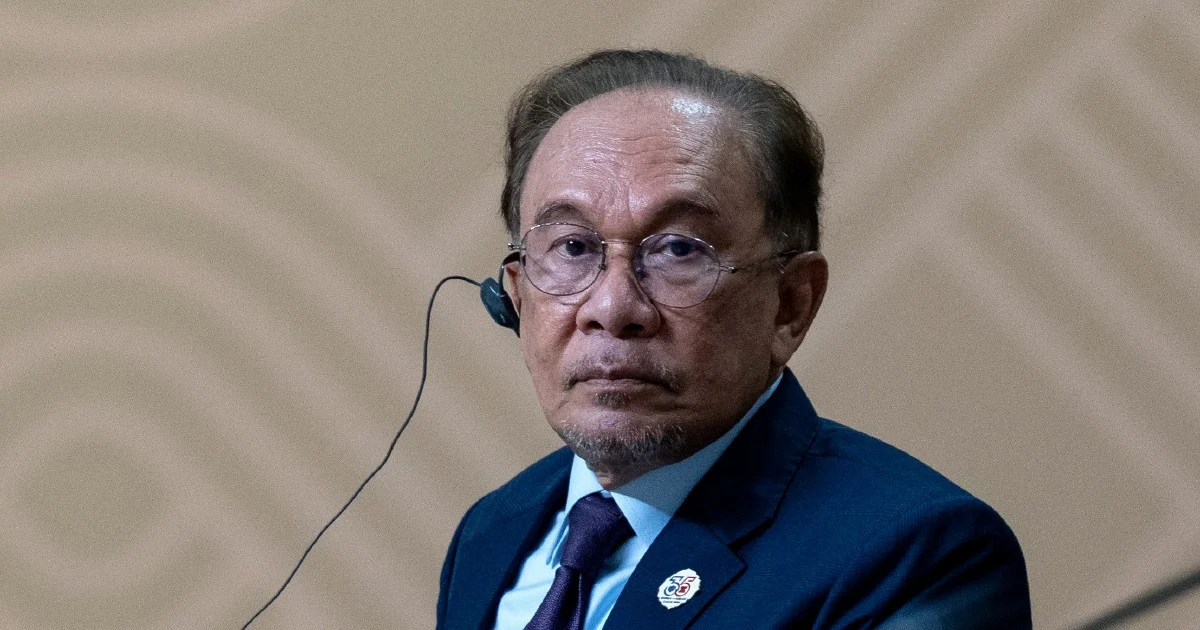
The High Court in Kuala Lumpur has ruled in favour of Prime Minister Datuk Seri Anwar Ibrahim's bid to rescind a prior order mandating his appearance as a witness in a RM30 million civil dispute. The decision removes the constitutional head of government from a subpoena that would have compelled his testimony in the case against Vinod Sekhar, marking another development in a legal matter that has drawn scrutiny from observers tracking the intersection of political office and judicial proceedings in Malaysia.
The court's determination represents a significant procedural outcome for the sitting Prime Minister, who had challenged the necessity and appropriateness of his personal involvement in private civil litigation. Such challenges are not uncommon when public officials of the highest rank seek exemption from witness duties, given the demands placed upon their time and the sensitive nature of executive functions that cannot be easily delegated or postponed.
For Malaysian readers accustomed to robust parliamentary scrutiny and media oversight, the distinction between a leader's public accountability and his private legal obligations remains a nuanced constitutional question. The High Court's allowance of Anwar's application underscores the judiciary's recognition that certain executive responsibilities may warrant exemption from ordinary witness requirements, though the precise reasoning behind this particular ruling would be subject to scrutiny by legal scholars and political observers.
The RM30 million suit itself concerns disputes that would normally proceed through standard civil discovery and trial procedures. By setting aside the witness order, the court has effectively allowed the litigation to continue without the Prime Minister's direct testimony, potentially streamlining the case while raising questions about the completeness of evidence available to both parties. This approach balances competing interests: the gravity of executive duties against the principle that justice may require evidence from all material witnesses.
Vinod Sekhar's position in this lawsuit remains significant, as the respondent's ability to pursue claims without direct examination of the country's leader could affect the substantive arguments available to his legal team. The RM30 million quantum suggests substantial commercial or contractual disputes at stake, matters ordinarily resolved through conventional litigation that might benefit from all available testimony.
For Malaysia's legal fraternity, such decisions illuminate the evolving doctrine around executive immunity and witness obligations. While heads of government in many Commonwealth jurisdictions have historically enjoyed certain protections from compulsory testimony, the modern trend increasingly scrutinizes the scope of such exemptions. The High Court's action thus reflects contemporary judicial thinking about how far such protections should extend.
The implications for Southeast Asian governance are worth considering. In a region where questions about judicial independence and the separation of powers periodically surface in international discourse, Malaysia's High Court has demonstrated willingness to grant relief to the executive while ostensibly maintaining adjudicatory neutrality. This balance is precisely what concerned observers monitor when evaluating the health of democratic institutions across the region.
Anwar's administration, which has emphasized transparency and institutional reforms since assuming office, might view this ruling pragmatically: allowing the Prime Minister to discharge his constitutional responsibilities unimpeded by collateral litigation obligations. Conversely, stakeholders in the Sekhar dispute must now pursue their claims through alternative evidentiary channels, including document discovery, expert testimony, and statements from other witnesses directly involved in the contested transactions.
The decision also reflects broader questions about how modern governments navigate litigation exposure. Prime Ministers typically face statutory immunity from certain classes of claims, yet civil disputes between private parties often resist such blanket protections. The court's willingness to carve out a witness exemption suggests recognition that testifying occupies time and political capital in ways that general litigation exposure alone does not.
For businesspeople in Malaysia monitoring the legal landscape, the ruling illustrates that even substantial commercial disputes may not necessarily require top-tier governmental testimony, depending on case-specific circumstances and how courts weigh competing public and private interests. This could shape expectations around discovery scope and witness availability in future high-value civil claims.
The RM30 million quantum places this suit firmly in the category of significant commercial disputes, yet the absence of the Prime Minister's direct testimony need not substantially weaken either party's substantive legal position if corroborating evidence, contemporaneous documents, and other witnesses adequately establish the disputed facts. The High Court presumably considered these factors when ruling that Anwar's exemption would not materially prejudice the litigation.
Governance observers will likely continue tracking how Malaysian courts navigate such questions of executive privilege and witness obligation. As the nation seeks to strengthen institutional credibility both domestically and regionally, judicial decisions distinguishing between appropriate executive protections and unwarranted immunity will remain subjects of informed public discussion and legal analysis.

