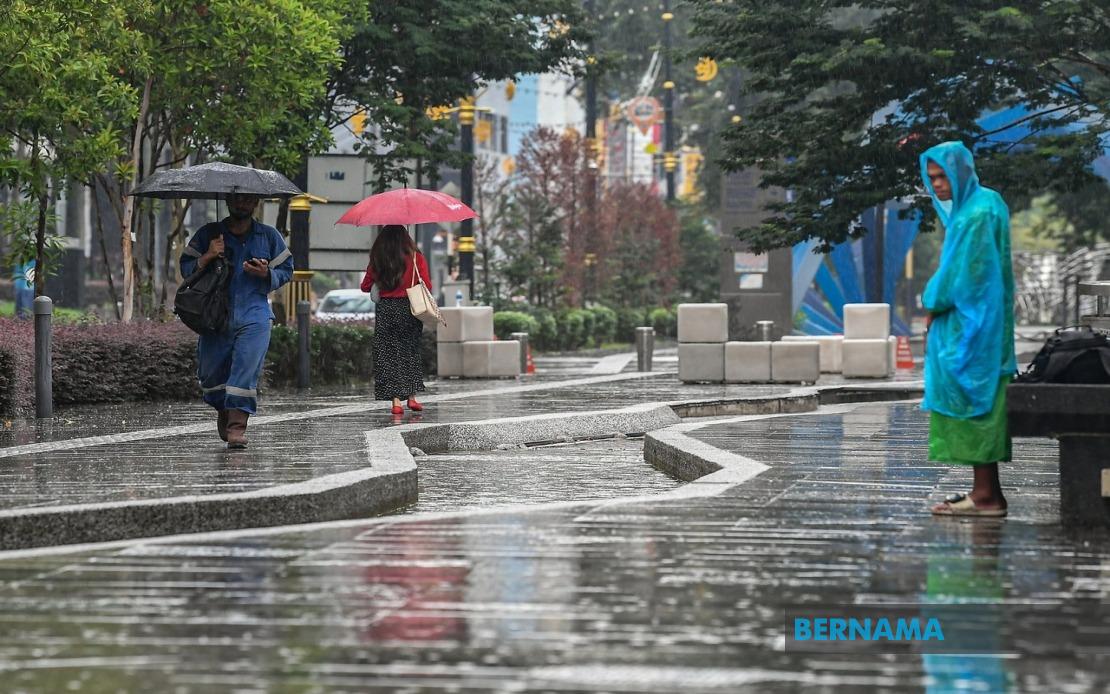
Johor's electoral process faces potential weather disruptions as forecasters predict rain across more than two-thirds of the state during tomorrow's nomination day for the 16th state election. The Malaysian Meteorological Department has alerted prospective candidates and their supporters to prepare for wet conditions in seven districts, though officials downplayed the disruption as merely a "slight challenge" to the electoral proceedings scheduled to begin at 9 am.
Azlai Ta'at, head of MetMalaysia's Johor operations, identified Johor Bahru, Muar, Batu Pahat, Kota Tinggi, Pontian, Tangkak and Kulai as areas facing rainfall during the morning hours. The three remaining districts—Segamat, Kluang and Mersing—are expected to enjoy clearer skies in the morning, providing relief for nomination activities in those areas. The forecast underscores the logistical challenges that election day operations regularly encounter in Malaysia's tropical climate, where afternoon thunderstorms are virtually routine during the monsoon season.
Temperature conditions across the state will remain typical for the region, with minimum readings hovering between 24 and 25 degrees Celsius and maximum temperatures anticipated between 31 and 34 degrees Celsius. Segamat is expected to record the highest temperatures, reaching up to 34 degrees Celsius, making it the hottest district by the afternoon. These temperature ranges, combined with the predicted moisture, may contribute to the thunderstorms forecast for the second half of the day.
The afternoon weather outlook presents a more dramatic shift, with MetMalaysia warning of thunderstorm activity across seven districts immediately as the campaign period officially commences. Johor Bahru, Segamat, Kluang, Kota Tinggi, Pontian, Mersing and Kulai are all expected to experience thunderstorms, while Batu Pahat and Tangkak face rainfall without the electrical activity, and Muar is forecast to remain hot. This transition from morning rain to afternoon thunderstorms suggests the nomination ceremony concludes just as more volatile weather patterns develop, potentially affecting the initial campaign activities scheduled for tomorrow evening and beyond.
The nomination process itself will operate from 9 am to 10 am across 56 designated centres statewide, with returning officers scheduled to announce eligible candidates following the abbreviated registration window. This compressed one-hour nomination period means that weather conditions during this specific timeframe will directly impact candidate registration logistics, voter engagement activities and the overall atmosphere surrounding the election launch. Campaign teams will need to make rapid decisions about whether to proceed with planned public gatherings or reschedule outdoor mobilisation efforts.
The electoral contest involves a diverse array of political coalitions and independent players. Pakatan Harapan maintains its traditional structure with 20 PKR candidates, 19 Amanah representatives and 17 DAP nominees contesting all 56 seats. Barisan Nasional fields a conventional configuration of 36 UMNO, 16 MCA and four MIC candidates across the full slate. This two-coalition framework has dominated Malaysian electoral politics, though their combined 112 candidates will face competition from an increasingly fragmented opposition and new entrants.
Perikatan Nasional introduces complexity through its multi-party composition, with PAS targeting 11 seats, Bersatu contesting 16, the Malaysian Indian People's Party fielding five candidates and Pejuang attempting one. This coalition's strategic seat allocation reflects internal negotiations and demographic targeting across different regions. The Malaysian United Democratic Alliance brings four candidates while Parti Sosialis Malaysia contests a single seat, representing marginal political forces seeking credibility through electoral participation.
Most notably, Parti Bersama Malaysia will make its electoral debut by contesting 15 seats, signalling the entry of a fresh political entity into Johor's electoral marketplace. This emergence of new parties reflects broader dissatisfaction with established formations and suggests voters may have alternative options beyond the traditional Pakatan-Barisan binary that has characterised Malaysian elections for decades. The total candidate slate across all parties and coalitions significantly exceeds the 56 available seats, guaranteeing contested races and three-way contests in numerous constituencies.
The Election Commission has structured the election calendar to accommodate early voting on July 7, with the main polling day set for July 11. This timeline provides a two-week campaign period following tomorrow's nomination ceremony—a relatively extended window compared to federal elections—allowing candidates adequate time for grassroots mobilisation and media engagement. The staggered early voting option accommodates essential workers, elderly voters and others unable to participate on the main polling day, expanding electoral accessibility.
Election Commission statistics reveal the electorate's considerable scale, with 2,727,926 registered voters comprising 2,703,175 ordinary citizens, 12,041 military personnel and spouses, and 12,710 police personnel and spouses. This voting population significantly exceeds national average constituency sizes, reflecting Johor's status as Malaysia's second most populous state. The security personnel inclusion demonstrates recognition of essential workers' participation rights, though this category typically demonstrates high turnout and distinct political preferences compared to civilian voters.
For Malaysian political analysts, Johor's election holds implications extending far beyond the state's borders. As historically the most reliably Barisan Nasional state, any shifts in voting patterns could signal broader national trends affecting the federal government's stability and parliamentary composition. The diverse coalition landscape and new party entrants suggest voters increasingly view state elections as opportunities to experiment with alternative political formations without federal-level consequences, potentially reshaping the nation's political dynamics through accumulated state-level changes.
The weather forecast, while seemingly peripheral, nonetheless reflects the practical realities of conducting democratic processes in Southeast Asia's tropical environment. Campaign managers will interpret meteorological bulletins as they plan candidate visibility activities, public rallies and ground operations during the critical nomination period. The rain and thunderstorm predictions may actually advantage certain candidates through sympathy for supporters braving poor conditions, or disadvantage others unable to mobilise effectively during adverse weather—small factors that, in closely contested races, could prove determinative.

