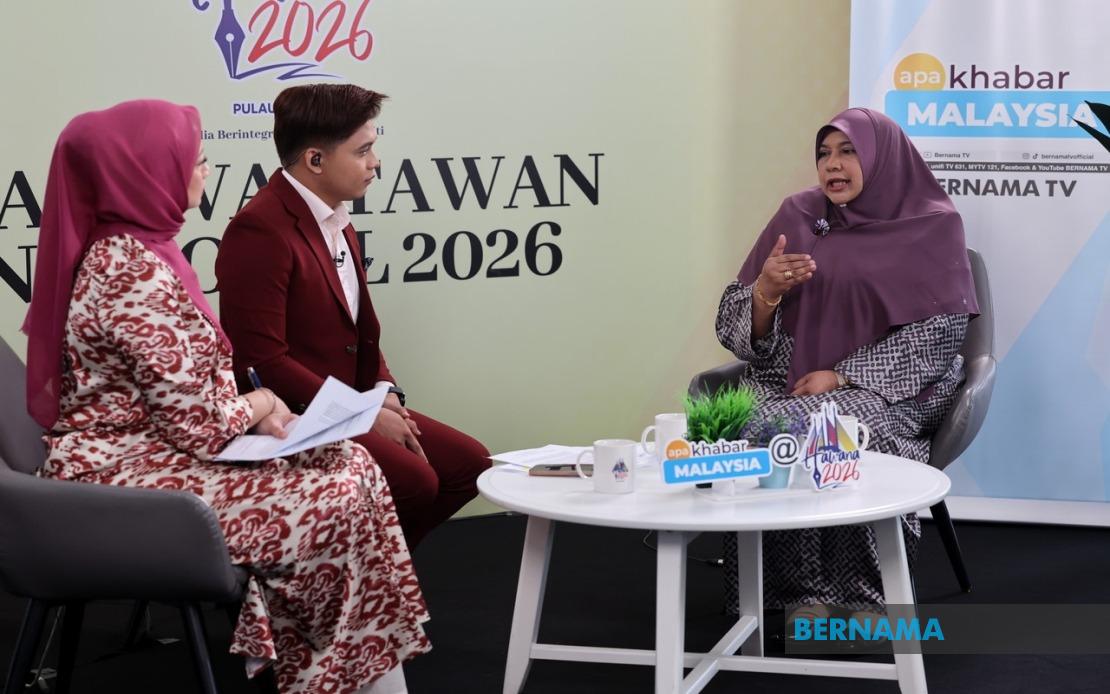
Penang will serve as the epicenter of Malaysia's media industry tomorrow as the National Journalists' Day (HAWANA) 2026 summit culminates in Butterworth, drawing approximately 1,000 media professionals from across the country and beyond. The high-profile gathering represents a significant moment for the journalism community to reflect on its responsibilities in an era increasingly scrutinized for information accuracy and institutional trustworthiness. Scheduled for 3 pm, the summit will be officially opened by Prime Minister Datuk Seri Anwar Ibrahim, underscoring the government's commitment to recognizing journalism's foundational role in democratic discourse and public awareness.
The theme "Media Integrity Strengthens Credibility" encapsulates contemporary concerns facing newsrooms and journalists throughout Southeast Asia, where public confidence in institutions remains fragile and misinformation spreads rapidly across digital platforms. By positioning integrity as central to the profession's legitimacy, organizers acknowledge the mounting pressures journalists face to maintain ethical standards while competing for attention in an oversaturated information landscape. For Malaysian readers, this emphasis carries particular relevance as the nation navigates complex political transitions and requires reliable reporting to make informed civic decisions.
The event will attract senior government figures and media leadership, including Penang Chief Minister Chow Kon Yeow, Communications Minister Datuk Fahmi Fadzil, and Communications Ministry secretary-general Datuk Abdul Halim Hamzah. Their presence signals cross-institutional recognition of journalism's importance to national development. Additionally, Malaysian National News Agency (Bernama) leadership including chairman Datuk Seri Wong Chun Wai and chief executive officer Datin Paduka Nur-ul Afida Kamaludin will participate, alongside executives from major local media organizations, creating a comprehensive gathering of the industry's decision-makers.
Nur-ul Afida, who chairs the HAWANA 2026 Working Committee, frames the summit as more than ceremonial recognition. She emphasizes that HAWANA functions as a critical networking opportunity where journalists strengthen professional relationships and build community connections. By positioning the event as a platform for practitioners to consolidate friendships and deepen institutional bonds, organizers acknowledge that journalism operates within social ecosystems requiring mutual support and collaborative standards-setting. This perspective proves especially valuable in Malaysia's media landscape, where independent outlets and public broadcasters must coordinate on professional norms despite competing commercial interests.
A notable partnership dimension involves MyCreative Venture, a Ministry of Communications agency that co-organized the RIUH Pi HAWANA Carnival program. This collaboration expands HAWANA's scope beyond industry insiders to engage the broader public, democratizing understanding of journalism's work and building appreciation for media practitioners among ordinary citizens. The carnival aspect—featuring performances by local artists including Exists, Bunkface, and Masdo, alongside 24 local creative brands and 20 food vendors—transforms what could be a purely professional conference into a community celebration. For Malaysian audiences, this populist approach helps counter the perception that journalism exists in an isolated professional bubble disconnected from public concerns.
The summit's broadcast strategy amplifies its reach considerably beyond the physical gathering in Penang. Live transmission across Bernama TV, RTM, and TV AlHijrah, supplemented by distribution through local social media platforms, ensures journalists and media-interested citizens nationwide can participate in discussions and witness award ceremonies. This multi-platform approach reflects modern expectations for government events and professional conferences, recognizing that meaningful participation no longer requires physical attendance. For those unable to travel to Penang, digital access democratizes exposure to industry thought leadership and policy announcements.
Prime Minister Anwar Ibrahim will present contributions from Tabung Kasih@HAWANA to journalists in financial hardship, acknowledging that despite journalism's societal importance, practitioners often face economic precarity. This welfare component provides practical support while symbolically affirming that government recognizes journalists as worthy of institutional care. Additionally, the Prime Minister will distribute prizes for the HAWANA-DBP Pantun Festival held on May 9, blending literary appreciation with journalistic celebration and emphasizing how media practitioners engage with Malaysia's cultural traditions and linguistic heritage.
The HAWANA Awards and HAWANA Special Awards presented at tomorrow's summit honor figures whose contributions have significantly shaped journalism and public thought development in Malaysia. Recognizing individual excellence alongside institutional achievement reinforces that journalism depends upon committed professionals willing to maintain standards even when facing commercial or political pressures. These awards serve as aspirational models for younger journalists entering the profession and signal which values the industry collectively endorses.
HAWANA itself carries historical significance, celebrated annually on May 29 to commemorate the 1939 publication of Utusan Melayu's first edition. This historical grounding reminds contemporary practitioners that Malaysian journalism stretches back over eight decades, establishing traditions of news gathering and reporting that predate independence. For regional readers, this longevity suggests Malaysia's media possesses institutional memory and professional infrastructure comparable to longer-established regional news systems. The date selection connects modern journalism to nationalist movements and independence struggles, positioning media work as integral to national development rather than merely commercial enterprise.
The Ministry of Communications, implementing the summit through Bernama as its executing agency, frames HAWANA as the nation's premier platform for appreciating journalist dedication and professionalism. This governmental framing emphasizes that media practitioners serve public interest by providing accurate, authentic, and authoritative information—a foundational democratic principle sometimes obscured by partisan criticism or commercial pressures. For Malaysian audiences skeptical of media institutions, official recognition of journalism's democratic function offers counterbalance to polarizing discourse that dismisses entire sectors as biased or compromised.
Precedent programming throughout HAWANA 2026 demonstrates sustained organizational effort beyond the summit culmination. The May 7 Media Forum, June 4 Strategic Partner Meeting, and June 14 Fun Walk all generated engagement from journalists and public participants, building momentum toward tomorrow's main event. This structured approach transforms HAWANA from single-day commemoration into extended professional development opportunity, allowing journalists to participate in discussions, network across outlets, and collectively recommit to shared standards.
For Southeast Asian journalism more broadly, Malaysia's HAWANA summit represents an important regional moment. Countries throughout the region grapple with similar challenges regarding media credibility, digital misinformation, and journalists' economic sustainability. By hosting a high-profile event emphasizing integrity and professionalism, Malaysia contributes to regional conversations about journalism's future. The summit's emphasis on community engagement and public participation offers instructive models for other Southeast Asian nations seeking to rebuild public confidence in media institutions while supporting practitioner welfare and professional development.

