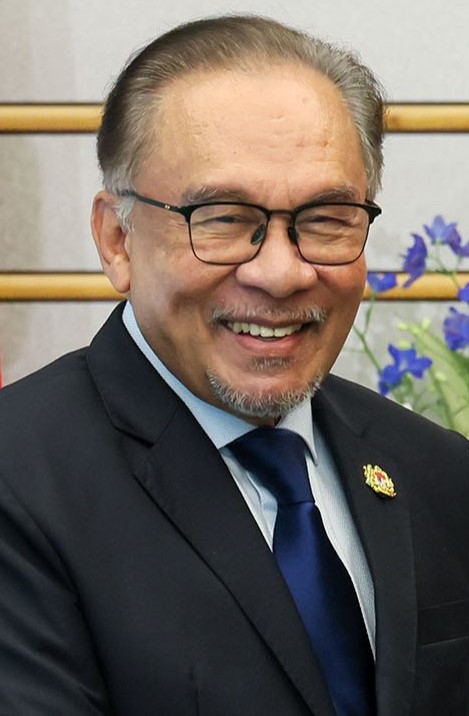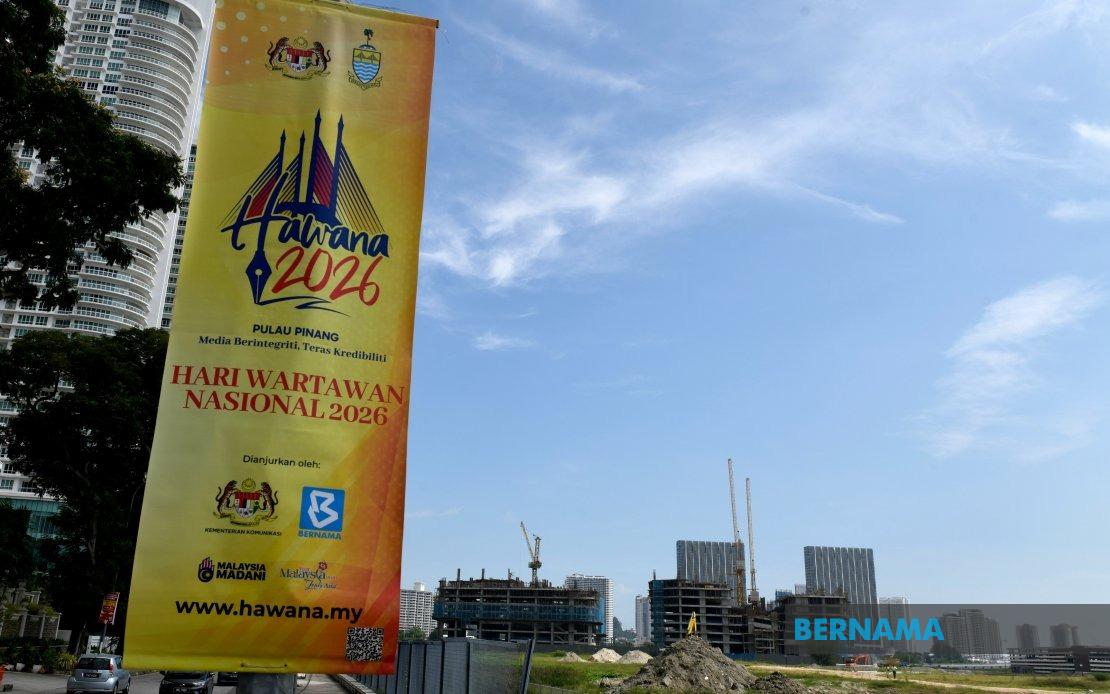
Penang's appointment as host for the 2026 National Journalists' Day (HAWANA) celebration marks a significant moment for the state's tourism and creative sectors, with officials projecting substantial economic returns and elevated regional visibility. The three-day event, centred at Seberang Perai, will feature the main commemoration on June 20 officiated by Prime Minister Datuk Seri Anwar Ibrahim at the PICCA Convention Centre @ Butterworth Arena, drawing approximately 1,000 media practitioners from across Malaysia and the broader ASEAN region.
The assignment reflects broader confidence in Penang's capacity to stage high-profile international gatherings while simultaneously reinforcing the state's established credentials as a premier Malaysian tourism destination. Wong Hon Wai, chairman of Penang's State Tourism and Creative Economy Committee, emphasised that the honour recognises the state's infrastructure, organisational capability, and cultural appeal. By concentrating media attention on Penang during this occasion, state authorities anticipate generating what Wong described as extensive, high-value exposure that will strengthen the island's competitive standing within Malaysia's tourism landscape and position it more prominently on Southeast Asian travel itineraries.
The economic implications extend across multiple sectors integral to Penang's service economy. Officials project that the influx of visiting journalists, accompanying delegates, and associated tourism activity will generate both direct and indirect revenue streams benefiting accommodation providers, food and beverage establishments, transport operators, retail centres, and established tourist attractions throughout the state. Wong indicated that preliminary reports from the hospitality sector show encouraging momentum, with hotels registering robust advance bookings for the June 19-21 period. The scale of anticipated visitors, coupled with Seberang Perai's reported capacity to accommodate the expected throughput, suggests that infrastructure constraints are unlikely to impede the event's successful execution or dampen its economic potential.
Beyond immediate transactional benefits, state authorities view HAWANA 2026 as an opportunity to articulate Penang's distinctive positioning within Malaysia's creative and cultural ecosystem. Wong stressed that the event will enable comprehensive showcasing of the state's heritage architecture, culinary traditions, tourism infrastructure, and emerging creative enterprises. This multifaceted presentation strategy aims to diversify perceptions of Penang beyond its historical reputation, introducing journalists and influencers to contemporary creative ventures and innovation initiatives that might otherwise escape regional media attention. For a state increasingly conscious of economic diversification, the platform represents a valuable chance to project evolution beyond heritage-focused tourism toward dynamic, knowledge-based creative industries.
The complementary RIUH Pi HAWANA Carnival, operating simultaneously at the convention centre with free admission, introduces a participatory dimension that extends the event's reach beyond professional media circles. Organisers anticipate approximately 30,000 attendees engaging with more than 24 local creative brands and 20 food vendors spread across the three-day carnival period. This public-facing component transforms HAWANA from an exclusively professional gathering into a broader cultural showcase, enabling ordinary Malaysians and tourists to interact directly with Penang's creative practitioners. The inclusion of 16 live stage performances featuring local artists including Exists, Bunkface, Masdo, Sakura Band, Budak Nakal Hujung Simpang, and Chelsea Ng signals an intentional blending of professional journalism recognition with grassroots creative expression.
Wong's remarks concerning the media's pivotal role in tourism promotion and creative sector development underscore a strategic understanding of how information flows shape destination perception and consumer behaviour. He articulated that media practitioners, through accurate and compelling storytelling, fundamentally influence how potential visitors evaluate destinations and how audiences perceive local talent and innovation. For Penang specifically, this dependency on favourable media coverage becomes particularly salient given intensifying regional competition for tourist expenditure and international creative investment. By hosting HAWANA and fostering journalist engagement with the state's attractions and operators, Penang effectively invites the very individuals and institutions responsible for narrative-shaping to experience its offerings firsthand, potentially translating into more substantive and sympathetic coverage than purely promotional materials might generate.
The event's organisational framework deserves consideration within Malaysia's broader institutional landscape. HAWANA is organised by the Ministry of Communications and executed by Bernama, the national news agency, positioning the celebration within formal government communication structures. The involvement of Prime Minister Datuk Seri Anwar Ibrahim in the opening ceremony further signals the national significance attributed to journalist recognition and, implicitly, to media-government relations at this particular historical moment. For Penang, this federal backing provides both legitimacy and resource support that might not otherwise materialise for purely state-level tourism initiatives, effectively leveraging national institutional machinery toward regional economic promotion.
The thematic emphasis on media integrity and credibility carries implications extending beyond ceremonial rhetoric. In an environment of proliferating information sources, misinformation, and fragmented media landscapes, the deliberate foregrounding of journalistic standards and trustworthiness suggests institutional anxiety regarding media function and public confidence. By hosting a national celebration of journalism centred on integrity, Penang becomes temporarily associated with values of accuracy, accountability, and professional standards. This symbolic linkage, while subtle, potentially influences broader perceptions of governance and institutional trustworthiness within the state.
For Southeast Asian media professionals attending the event, Penang offers accessibility combined with representative cultural characteristics. The state's multicultural composition, English-language infrastructure, established hospitality sector, and proximity to Kuala Lumpur position it as an ideal venue for regional gatherings. ASEAN-based journalists will encounter a Malaysian state that simultaneously maintains international standards while showcasing local distinctiveness, potentially facilitating networking and cross-border media collaboration that outlasts the immediate event period. Such professional relationships often translate into sustained media interest and ongoing coverage, multiplying the event's return on investment far beyond the three-day gathering.
The tourism sector's reported readiness provides confidence that logistical execution will not undermine the event's broader objectives. Hotel availability, transportation infrastructure, and venue capacity represent operational foundations necessary for professional credibility. Penang's track record hosting major events, combined with contemporary evidence of booking momentum, suggests administrative competence capable of accommodating the expected participant volume without creating friction that might generate negative coverage. Successful event execution becomes, in effect, an indirect marketing message about Penang's organisational sophistication and hospitality standards.
Looking beyond June 2026, the primary value proposition hinges on media narrative persistence. While the three-day event provides concentrated exposure, the sustained economic and reputational benefits depend on whether coverage extends into post-event editorial decisions, feature development, and traveller recommendations. Journalists departing Penang with positive experiences and rich content possibilities represent, potentially, months or years of subsequent coverage amplifying the immediate campaign's reach. State tourism authorities implicitly understand this multiplier effect, making the quality of the journalist experience during HAWANA a strategic investment rather than incidental hospitality.
For Malaysia's broader regional positioning, hosting HAWANA in Penang rather than in federal territory venues also communicates devolved confidence in state-level institutional capability and cultural prominence. This distributional choice, while ostensibly practical, carries subtle messaging about national federalism and regional development priorities. Penang's selection affirms the state's status within Malaysia's urban hierarchy and suggests official recognition of its creative industries credentials at a moment when Southeast Asian economies increasingly compete on cultural and creative grounds rather than resource extraction alone.