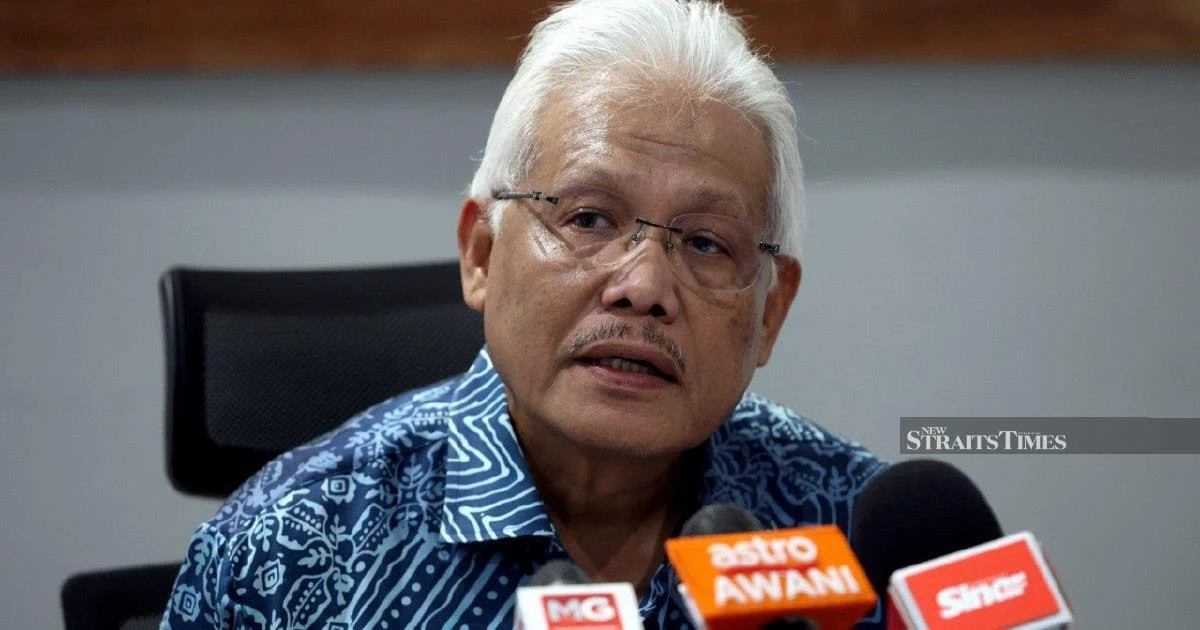
Parti Wawasan Negara, the rebranded incarnation of Parti Cinta Malaysia, has positioned itself as a potential intermediary in the fractious relationship between two of Malaysia's dominant Malay-Muslim political forces, PAS and UMNO. The party, under the leadership of Hamzah Zainudin, believes it can play a constructive role in narrowing the ideological and strategic gaps that have widened between these two blocs, whose rivalry has become a defining feature of contemporary Malaysian politics.
The significance of this overture lies in the broader context of Malay political fragmentation that has intensified over the past decade. UMNO, historically the backbone of Malay-Muslim dominance in federal politics, has faced persistent challenges to its hegemony from PAS, which has consolidated support among more religiously conservative constituencies whilst simultaneously building electoral strength in several states. The competition between these parties has occasionally spilled into open conflict, reshaping coalition dynamics and forcing realignments that extend far beyond their immediate constituencies.
Hamzah Zainudin's initiative reflects a growing recognition among certain political circles that the Malay-Muslim community's electoral and political influence could be diluted if internal divisions persist without restraint. When the broader Malay-Muslim bloc fragments into competing camps, particularly along ideological lines, it effectively weakens the collective bargaining power that these communities have historically wielded within Malaysia's power structures. This calculation informs Parti Wawasan Negara's diplomatic approach to the PAS-UMNO tension.
The pathway to unity that Parti Wawasan Negara envisions appears premised on the notion that common ground exists beneath the surface disputes. Both PAS and UMNO derive significant support from overlapping demographic bases, share comparable concerns regarding Islamic governance and Malay-Muslim interests, and ultimately depend on maintaining credibility within communities that value both religious observance and pragmatic economic management. Yet these commonalities have been obscured by personality clashes, disagreements over religious interpretation and implementation, and competing visions for Malaysia's political future.
For UMNO, the appeal of such mediation is tempered by its historic dominance and reluctance to cede ground to rivals. The party has weathered internal crises and leadership transitions, emerging as the dominant force in the Barisan Nasional coalition for seven decades. However, the 2018 electoral shock and subsequent factional infighting have complicated its recovery, making selective engagement with bridge-building initiatives potentially useful for rehabilitation purposes.
PAS, by contrast, has invested considerable energy in positioning itself as the authentic voice of Islamic governance and Malay-Muslim interests. The party views its growth as a vindication of its ideological clarity and organisational discipline. From PAS's perspective, any unity arrangement would need to acknowledge its enhanced standing and influence, not merely subordinate it to UMNO's traditional preeminence. This asymmetry in expectations creates inherent tension in any mediation effort.
Hamzah Zainudin's personal credibility in attempting such a role merits consideration. His trajectory through Malaysian politics reflects pragmatism and bridge-building experience, having navigated relationships across different factions and served in various capacities that required consensus-building skills. Parti Wawasan Negara itself, being a newer and smaller political entity without the institutional baggage of larger parties, possesses certain advantages as a neutral intermediary. Its lack of significant electoral representation paradoxically strengthens its position as a mediator rather than a competitor with partisan interests.
The implications for Malaysian governance could be substantial. A more unified Malay-Muslim political front, articulating coherent positions on constitutional matters, religious affairs, and economic policy, would substantially alter the terrain of federal politics. Such unity could either strengthen democratic discourse through clearer ideological competition, or potentially concentrate power in ways that marginalise non-Malay communities and voices advocating for pluralism. The consequences depend significantly on the terms under which unity is negotiated.
Regionally, Malaysia's political stability influences broader Southeast Asian dynamics. A prolonged internal Malay-Muslim political struggle creates uncertainty for investors, complicates Malaysia's diplomatic positioning within ASEAN, and potentially invites external powers to exploit divisions. Conversely, a more cohesive Malaysian political order, provided it maintains democratic institutions and protects minority rights, would enhance regional stability and Malaysia's capacity to pursue consistent foreign and security policies.
The realistic prospects for Parti Wawasan Negara's mediation efforts remain uncertain. Historical precedent suggests that parties with entrenched interests and competing electoral calculations rarely surrender strategic advantages for the sake of abstract unity. Both UMNO and PAS have invested years in building their respective support bases and organisational apparatus; expecting them to subordinate these investments to a higher unity appears optimistic. Nevertheless, the mere articulation of such a vision indicates that at least some quarters within Malaysian politics recognise the costs of perpetual internal division.
Moving forward, the success of any bridge-building initiative will depend on several factors: the emergence of specific policy areas where consensus can be demonstrated, the presence of credible leaders willing to compromise on secondary issues whilst maintaining core ideological positions, and recognition among grassroots supporters that unity serves their material and spiritual interests. Hamzah Zainudin's party has identified a genuine gap in Malaysian politics that might be filled by strategic mediation, but filling it requires navigating formidable structural obstacles and competing ambitions.

