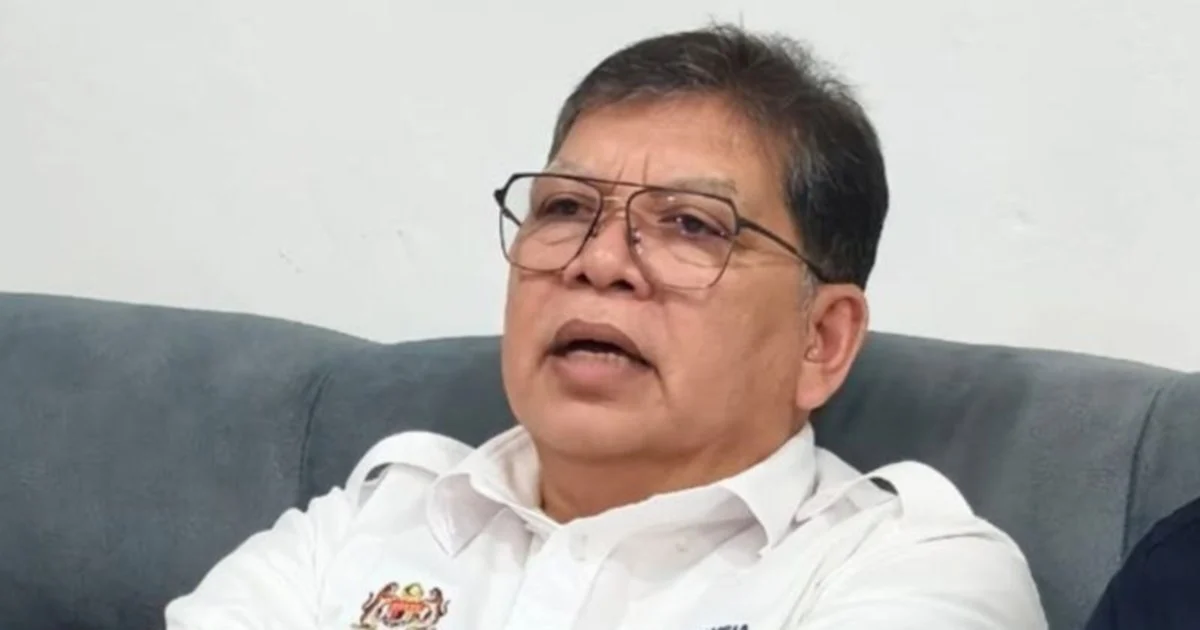
Dewan Rakyat Speaker Tan Sri Johari Abdul has formally received notification of Datuk Seri Hamzah Zainudin's reappointment as opposition leader, according to a letter submitted by Perikatan Nasional chief whip Datuk Seri Takiyuddin Hassan. The communication represents an official confirmation of the coalition's parliamentary leadership arrangement and establishes the procedural record with the Speaker's office.
The reappointment underscores Perikatan Nasional's consolidated position within Malaysia's opposition bloc following recent political developments. Since emerging as a significant parliamentary force, the coalition has maintained internal cohesion regarding its senior leadership roles, with Hamzah retaining the pivotal opposition leader position that carries substantial responsibility in parliamentary proceedings and holds considerable symbolic weight in legislative oversight.
Hamzah's role as opposition leader positions him as the primary voice articulating the opposition's legislative agenda and conducting parliamentary scrutiny of government policies. This formal notification ensures that constitutional procedures are properly observed, establishing the official record that guides parliamentary protocols, seating arrangements, and procedural precedence during legislative sessions. The Speaker's acknowledgment creates binding administrative documentation within the parliamentary system.
Perikatan Nasional's reaffirmation of Hamzah's leadership reflects the coalition's stability at a critical juncture in Malaysia's political landscape. Following the 2022 general election, the opposition has undergone significant realignment, with Perikatan Nasional consolidating its position as a major parliamentary force. The coalition's decision to maintain consistent leadership demonstrates strategic confidence in Hamzah's capacity to represent its interests and manage the complex dynamics of opposition politics.
For Malaysian parliamentary governance, the opposition leader position carries substantive constitutional implications. The officeholder participates in high-level consultations with the Prime Minister and Speaker on parliamentary matters, receives allocated speaking time for formal opposition addresses, and traditionally leads the weekly opposition questioning sessions that form a cornerstone of legislative accountability. Hamzah's reappointment therefore extends beyond symbolic recognition to encompassing genuine institutional authority.
The formal notification process itself reflects Malaysia's adherence to constitutional parliamentary practice. By requiring written submission to the Speaker, the system ensures transparent documentation of opposition leadership arrangements and prevents ambiguity regarding representation credentials. This procedural clarity proves particularly important in Malaysian politics, where coalition alignments occasionally shift unexpectedly, necessitating clear official records of leadership designation.
Peikatan Nasional's composition has evolved significantly since its formation, encompassing Bersatu, PAS, and various component parties representing diverse constituencies and ideological perspectives. Maintaining unified leadership under Hamzah across this ideologically diverse coalition presents ongoing coordination challenges, yet his reappointment suggests successful navigation of internal negotiations and consensus-building regarding the coalition's parliamentary direction and strategic priorities.
The opposition's effectiveness within Malaysia's political framework depends substantially on coordinated parliamentary tactics and unified messaging. Hamzah's continued tenure as opposition leader enables sustained development of legislative strategies, maintenance of opposition party relationships, and continuity in articulating counter-narratives to government policy initiatives. This consistency proves valuable for parliamentary effectiveness, particularly given the government's substantial numerical advantage and advanced legislative planning mechanisms.
From a regional perspective, Malaysia's opposition dynamics carry significance within Southeast Asia's broader democratisation trajectories. The formal management of opposition leadership succession through constitutional procedures demonstrates institutional maturity and respect for parliamentary conventions, even amid intense political competition. This contrast with authoritarian approaches to opposition management reflects Malaysia's commitment to competitive democratic practices, however imperfect their implementation.
The Speaker's receipt of this notification initiates formal administrative processes that will establish parliamentary records, potentially affect committee assignments, and determine procedural precedence in legislative chambers. These seemingly technical matters carry genuine operational significance for how parliamentary business is conducted and how opposition voices receive platforms for critique and alternative policy proposals.
Looking forward, Hamzah's reconfirmed position establishes the framework for Perikatan Nasional's parliamentary strategy across the current legislative term. The coalition faces ongoing pressure to demonstrate unity whilst accommodating diverse member interests, navigate complex relationships with other opposition components, and articulate coherent policy alternatives that resonate with Malaysian voters increasingly attentive to governance effectiveness and accountability standards.

