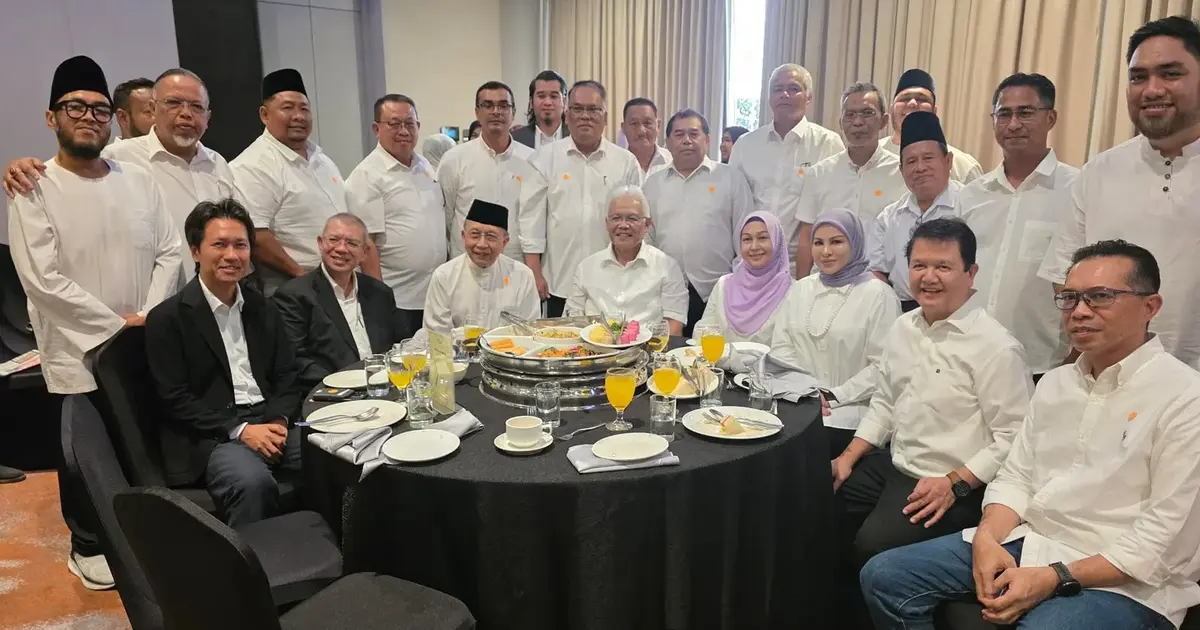
Hamzah has assumed the presidency of Wawasan, marking another significant development in the ongoing evolution of Malaysia's political landscape as the organisation consolidates its leadership structure with the appointment of seasoned reformist figures to its highest ranks.
Rais Yatim, a political veteran with decades of parliamentary experience and a substantial ministerial track record spanning multiple portfolios, has been installed as chairman of the organisation. His appointment represents a strategic move to leverage his institutional knowledge and gravitas within Malaysia's political establishment, bringing to the role a perspective shaped by his long involvement in national governance and policy formulation across successive administrations.
Saifuddin Abdullah, the member of parliament representing the Indera Mahkota constituency, has been designated as secretary-general, positioning him as the principal administrative and organisational officer responsible for the day-to-day operations and implementation of Wawasan's strategic initiatives. His selection underscores the organisation's confidence in his administrative capabilities and his standing within reformist political circles.
The reshuffling of Wawasan's leadership hierarchy reflects broader patterns within Malaysia's political ecosystem, where veteran politicians and reform-minded figures continue to play pivotal roles in shaping institutional direction and policy advocacy. The organisation has historically served as a platform for discussion on governance, institutional reform, and progressive policy positions, drawing membership from across the political spectrum who share common commitments to democratic strengthening and institutional development.
The appointment of Hamzah to the presidency comes amid Malaysia's ongoing political transitions, where the country continues to navigate complex questions around democratic governance, institutional integrity, and political reform. These leadership transitions within reform-oriented organisations often signal the broader preoccupations and strategic priorities of the political movements they represent, whether focused on party organisational matters, policy development, or wider institutional advocacy.
Rais Yatim's background in ministerial portfolios and parliamentary affairs brings practical experience in navigating Malaysia's complex governance structures and legislative processes. His appointment as chairman places him in an overseeing role that can draw on his extensive network within the bureaucracy, parliament, and civil service—a positioning that may enhance the organisation's capacity for institutional advocacy and policy influence within formal government channels.
Saifuddin Abdullah's role as secretary-general positions him at the administrative nerve centre of the organisation, responsible for translating strategic vision into concrete operational programmes and managing the administrative machinery necessary for effective organisational functioning. MPs serving in such capacities often balance parliamentary duties with organisational responsibilities, a demanding portfolio that requires strong time management and delegation skills.
The three-tiered leadership structure—with Hamzah at the presidency, Rais Yatim at the chairmanship, and Saifuddin Abdullah as secretary-general—suggests a deliberate separation of ceremonial, strategic oversight, and administrative functions. This architecture allows for distributed responsibility and potentially enables more efficient decision-making processes, with each office holder focused on distinct dimensions of organisational governance and strategic implementation.
For Malaysian political observers, these appointments merit attention as indicators of how reform-minded political actors are organising themselves outside, or adjacent to, formal party structures. Wawasan's positioning as a space for cross-party dialogue on governance matters means its leadership composition and priorities can offer insights into the contemporary concerns of progressive political figures and their strategic calculations regarding democratic participation and institutional reform advocacy.
The strength of personalities now leading Wawasan—each with substantial political credentials and established reputations—suggests the organisation aims to enhance its profile and policy influence within national discourse. Whether focused on legislative advocacy, public intellectual leadership, or internal party-reform discussions, the calibre of these appointments signals serious organisational intent to establish Wawasan as a consequential participant in Malaysia's ongoing democratic development conversations.
Regionally, Malaysia's various political reform movements and governance advocacy platforms remain significant markers of democratic health and civil society engagement. The appointment of heavyweight reformist figures to leadership positions within such organisations demonstrates continued political energy devoted to strengthening institutions and governance standards, even as Malaysia navigates the competitive pressures and occasional constraints of its formal political structures.

