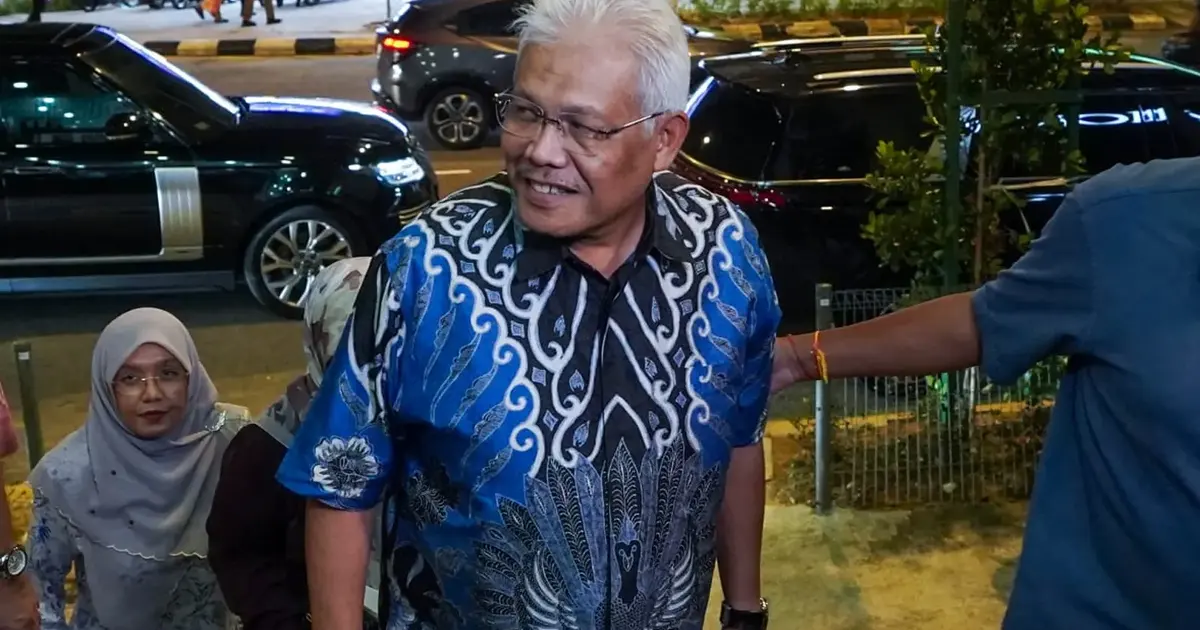
Several prominent opposition MPs, among them Hamzah Zainudin, were spotted attending a meeting at PAS headquarters, signalling fresh movement within the fractious Perikatan Nasional coalition at a time of considerable political flux. The gathering underscores the volatile state of the opposition alliance, which has been roiled by significant structural shifts in recent days.
The emergence of these opposition figures at the PAS office comes in the wake of PAS's contentious decision last week to terminate its formal relationship with Bersatu, marking a significant rupture within PN's traditional structure. This development has triggered a cascade of political repositioning among coalition members as they assess the implications of the split and their own strategic interests moving forward.
PAS, the pan-Malaysian Islamic party, has long served as a stabilising force within Perikatan Nasional since the coalition's formation in 2020. Its withdrawal from coordinated efforts with Bersatu represents a fundamental realignment of opposition dynamics and raises questions about PN's viability as a unified electoral machine. The decision has effectively dismantled the formal framework that bound several key opposition parties together and prompted urgent consultations among affected stakeholders.
Hamzah Zainudin, as a prominent opposition figure, holds considerable sway within Malaysian political circles. His presence at the meeting suggests that discussions are taking place at senior levels regarding the coalition's future direction and potentially exploring alternative configurations that might emerge from the current instability. The nature of such high-level consultations typically involves assessments of each party's electoral prospects and broader strategic considerations.
The timing of this gathering is particularly significant given the compressed political calendar in Malaysia. With elections a perpetual possibility and government coalitions remaining fragile, opposition parties must continually recalibrate their positions. The breakdown within PN creates both challenges and opportunities for individual members contemplating whether remaining within the coalition serves their interests or whether alternative arrangements might prove more advantageous.
Bersatu and PAS have had a tumultuous relationship despite their nominal coalition membership. Personality clashes, ideological tensions, and competition for voter support in key constituencies have created persistent friction. The formal severance of ties represents the culmination of mounting frustrations and signals that the coalition's internal contradictions have become untenable. This development potentially reshapes the opposition landscape heading into crucial political contests.
For Malaysian political observers, the fracturing of PN carries broader implications. The opposition has long sought to present itself as a credible alternative government, but internal divisions undermine this narrative. Voters who backed PN candidates on the premise of coalition stability now face uncertainty about whether their representatives will maintain their original party affiliations or pursue new political alignments. This instability could influence voter behaviour and shift electoral dynamics in unpredictable ways.
The regional context adds further complexity. Within Southeast Asia, political coalitions frequently undergo reorganisation, yet Malaysia's particular history of coalition fragmentation—evident in the rapid unravelling of previous alliances—suggests that structural stability remains elusive. The current PN difficulties reflect persistent challenges in maintaining cohesive opposition structures within Malaysia's fractious political environment where personal rivalries and factional interests frequently override ideological alignment.
PAS's decision to distance itself from Bersatu also reflects calculations about the Islamic party's positioning within the broader political spectrum. As a party with distinctive religious and ideological moorings, PAS must balance coalition membership with its core constituency's expectations. The move to sever formal ties allows PAS greater autonomy in pursuing its agenda without being constrained by Bersatu's sometimes divergent priorities, particularly regarding economic policies and secular governance matters.
Observers anticipate that the coming weeks will clarify whether Perikatan Nasional can reconstitute itself in modified form or whether it will fragment entirely. The meeting at PAS headquarters may represent preliminary discussions about potential new configurations or discussions aimed at stabilising the existing structure through renewed commitment from key players. Such meetings serve both as signals to the broader political community and as opportunities for substantive negotiations regarding future cooperation frameworks.
For Malaysian citizens and regional analysts, the unfolding situation within PN demonstrates the persistent difficulty of constructing durable political coalitions based on pragmatic interest rather than shared vision. The visits by senior opposition figures to PAS headquarters underscore ongoing negotiations about Malaysia's political future, even as the broader public awaits clarity on whether opposition politics will gain cohesion or descend further into fragmentation.