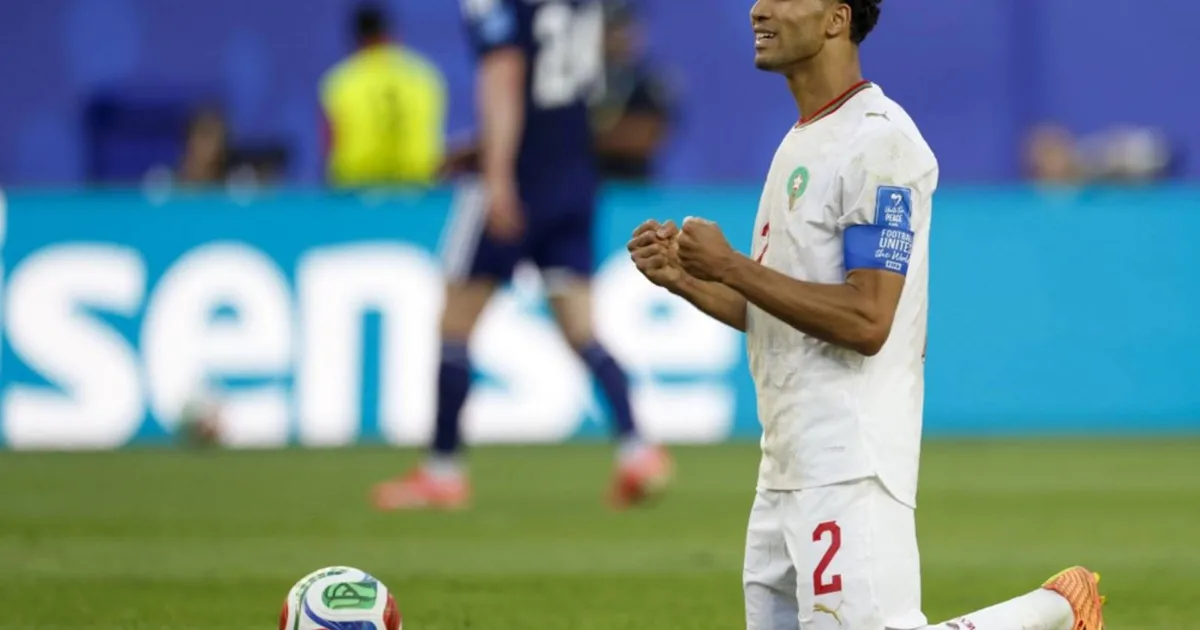
Achraf Hakimi, the Paris Saint-Germain defender and Morocco international, is navigating an extraordinarily challenging period marked by serious legal proceedings while attempting to sustain his elite-level athletic performance. Morocco's World Cup coach has publicly affirmed that the 26-year-old player exhibits calmness and mental fortitude as he prepares for trial over allegations involving a 24-year-old woman in the Paris region during 2023—accusations which Hakimi categorically denies.
The case represents a watershed moment for one of world football's most accomplished contemporary defenders, a player whose career trajectory has positioned him among Europe's defensive elite. Born in Madrid and developed through Real Madrid's academy system before his professional breakthrough at Borussia Dortmund, Hakimi has established himself as a cornerstone of PSG's defensive structure since his 2021 transfer from Inter Milan. His international contributions have similarly been substantial, becoming an integral component of Morocco's World Cup campaign and broader regional football prominence.
The allegations emerged publicly in 2023, creating a delicate situation that intersects personal legal jeopardy with professional obligation. French judicial processes, which typically proceed with less media fanfare than common law jurisdictions, nonetheless place considerable pressure on individuals navigating the system, particularly high-profile athletes whose every movement attracts scrutiny. The incident allegedly occurred in the greater Paris metropolitan region, though specifics regarding the precise location and circumstances remain subject to ongoing investigation and legal confidentiality protections.
Hakimi's legal team has mounted a vigorous defence, with the player himself maintaining consistent denials throughout the process. This steadfastness, according to his international coach's characterization, reflects both personal conviction and psychological resilience. The coach's public backing, while carefully measured to acknowledge the gravity of the situation, underscores the institutional support surrounding the player within Morocco's football federation and the broader sporting ecosystem.
The trial's timing carries substantial sporting implications extending far beyond Hakimi's individual circumstances. PSG's defensive configurations and tactical approaches have been predicated partly on his availability and performance standards. Any disruption to his participation, whether through the trial process itself or potential sanctions, would necessitate significant tactical adjustments. Similarly, Morocco's ongoing international football ambitions—particularly qualification campaigns and tournament participation—depend upon having their full complement of experienced defenders available for selection.
French legal proceedings involving criminal allegations typically demand considerable time and judicial attention, meaning Hakimi faces an extended period of uncertainty. The parallels to other high-profile athletes who have navigated similar circumstances internationally provide limited comfort; each case develops distinctly according to local evidentiary standards, judicial philosophy, and the specific allegations involved. The French system's emphasis on thorough investigation and careful prosecution distinguishes it from approaches adopted in other jurisdictions.
Within the context of contemporary professional football, cases involving assault allegations have prompted increased institutional scrutiny of player conduct and club responsibilities. PSG's position regarding Hakimi's status represents a careful balance between supporting a contracted employee and maintaining institutional standards. The club has neither suspended nor censured the player publicly, instead allowing judicial processes to unfold while retaining him within active squad considerations.
The psychological dimension of performing at elite levels while confronting serious legal allegations cannot be understated. Athletes in comparable circumstances have documented the profound emotional toll arising from simultaneous professional and legal obligations. Hakimi's reported equanimity, if accurately characterized by his coach, reflects either exceptional compartmentalization or the benefits of substantial professional support infrastructure—or both. The mental resilience required to maintain performance standards while facing potential criminal conviction represents an extraordinary burden.
Marocco's football federation has similarly navigated careful diplomatic positioning regarding the situation. National team environments require cohesion and collective focus; Hakimi's inclusion within squads must be managed sensitively to prevent distraction whilst affirming fundamental principles regarding due process and presumption of innocence. The federation's approach has emphasized awaiting judicial outcomes rather than pre-emptively determining the player's standing.
The broader implications extend into questions about institutional responsibilities within professional football when athletes face serious allegations. Unlike some jurisdictions or sports, European football's regulatory bodies have generally deferred to national legal systems rather than conducting parallel disciplinary investigations, except in cases where specific breaches of sporting conduct codes occur. This approach respects judicial independence while potentially creating extended uncertainty for all parties involved.
Hakimi's journey through this trial period will inevitably influence discussions regarding athlete accountability, institutional responsibility, and the intersection between legal processes and sporting participation. Whether the allegations are ultimately sustained or refuted, the experience will reshape public perception and professional relationships. The coach's continued public backing demonstrates confidence, but the trial's outcome will ultimately determine whether such confidence proves prescient or misplaced.

