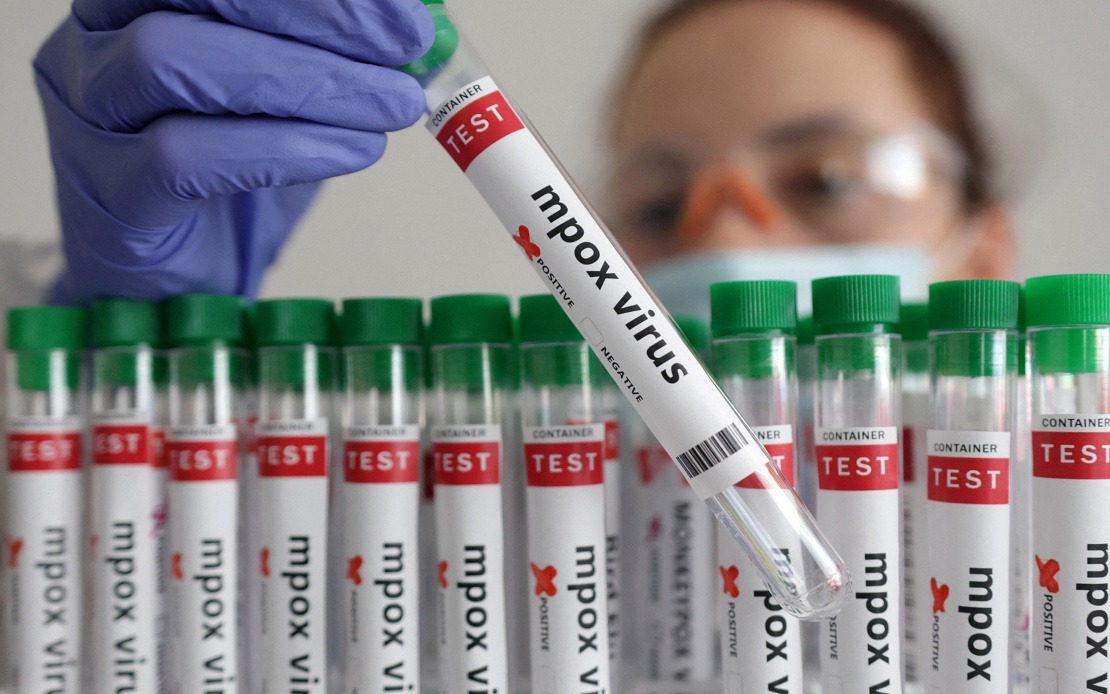
Guinea-Bissau has officially confirmed its first case of mpox, marking a significant health milestone for the West African nation as it mobilises containment strategies to prevent potential community spread. Public Health Minister Quinhin Nantote disclosed the detection on Saturday evening, outlining the case details and the government's coordinated response to address the emerging threat. This confirmation comes amid heightened global awareness of mpox transmission patterns and follows successful identification and laboratory verification procedures.
The confirmed patient is a 27-year-old woman who initially presented for medical evaluation on June 24, seeking treatment for symptoms consistent with mpox infection. Healthcare personnel collected biological samples from characteristic skin lesions and submitted them to Guinea-Bissau's National Institute of Public Health for preliminary laboratory analysis. The initial testing confirmed the presence of mpox virus material, providing the first indication of a locally-acquired or imported infection. To ensure diagnostic accuracy and meet international health standards, the samples were subsequently forwarded to the Institut Pasteur in Dakar, Senegal, where specialist virologists conducted confirmatory testing and definitively established the mpox diagnosis.
The identification of this case demonstrates Guinea-Bissau's existing laboratory capacity and commitment to disease surveillance, even in resource-constrained settings. The involvement of a regional reference laboratory in neighbouring Senegal reflects the collaborative mechanisms established among West African health systems to provide reliable diagnosis for suspected viral infections. This multi-tiered verification process, while consuming several days, ensures that public health interventions are based on confirmed rather than presumptive diagnoses, reducing the risk of false alarms that could undermine public confidence in health messaging.
Following confirmation, Guinea-Bissau's health authorities have formally activated comprehensive national response protocols aligned with the International Health Regulations and technical guidance issued by the World Health Organisation. These protocols encompass epidemiological investigation procedures designed to identify, locate, and monitor all individuals who may have had close contact with the confirmed patient during the infectious period. Such contact tracing remains fundamental to interrupting transmission chains and preventing secondary cases, particularly in household and healthcare settings where exposure risks are elevated.
Surveillance operations have been substantially reinforced throughout Guinea-Bissau's territory, with particular emphasis placed on border control points where cross-boundary movement creates opportunities for mpox importation from neighbouring countries. Enhanced monitoring at entry and exit points involves screening protocols, staff education, and coordination with transport authorities to identify potentially infected travellers. This geographical focus reflects the reality that West Africa has experienced mpox circulation in multiple countries, creating a regional context where importation risks remain tangible until the broader epidemic is controlled.
Public Health Minister Nantote has issued clear guidance on preventive behaviours, emphasising fundamental hygiene practices that reduce mpox transmission risk. Frequent handwashing, particularly after contact with potentially contaminated surfaces or body fluids, represents a basic yet effective barrier against infection. Equally important is the recommendation to avoid close contact with individuals displaying fever or characteristic skin rashes, as these symptoms may indicate infectious mpox disease. This public messaging aims to establish community awareness and individual responsibility for prevention, transforming the population into active participants in containment efforts rather than passive recipients of health directives.
Mpox is a viral pathogen transmitted through multiple routes including direct contact with blood or bodily fluids, respiratory droplet inhalation during close contact, and handling of contaminated materials such as clothing or bedding. The disease manifests with characteristic clinical features including fever, myalgia, distinctive skin lesions that typically progress through identifiable stages, and lymphadenopathy. Understanding these transmission pathways and clinical presentations is essential for healthcare workers, community health volunteers, and the general public, as early recognition of suspected cases enables rapid isolation and testing, reducing onward transmission potential.
For Malaysia and the broader Southeast Asian region, Guinea-Bissau's mpox detection serves as a reminder of the continent-wide nature of the current mpox epidemic and the interconnected vulnerability of regional health systems. While West African countries have experienced sustained mpox transmission for months, the virus's capacity to establish footholds in new geographic areas underscores the importance of robust border health measures, traveller screening protocols, and laboratory preparedness across Southeast Asia. Countries in this region, including Malaysia, should review readiness levels for rapid mpox case identification, isolation facilities, and contact tracing capability to ensure swift response capacity should importation occur.
The management of this case will provide valuable operational learning for Guinea-Bissau and other West African health systems navigating similar challenges with limited resources. The availability of contact tracing data, patient outcomes, and transmission dynamics from this case can inform regional risk assessments and help neighbouring countries anticipate and prepare for potential detected cases. Regional information sharing through organisations such as the West African Health Organisation strengthens collective capacity and identifies best practices that smaller nations can adapt to their specific contexts.
Guinea-Bissau's transparent communication regarding mpox detection, including prompt public disclosure through health ministry statements and press conferences, demonstrates commitment to public trust and informed decision-making. The involvement of the international laboratory system and adherence to WHO protocols signal willingness to engage with global health surveillance frameworks. Sustained attention to this case's evolution, including treatment outcomes and contact tracing results, will contribute to understanding mpox epidemiology in this particular setting and inform ongoing public health strategies across the region.

