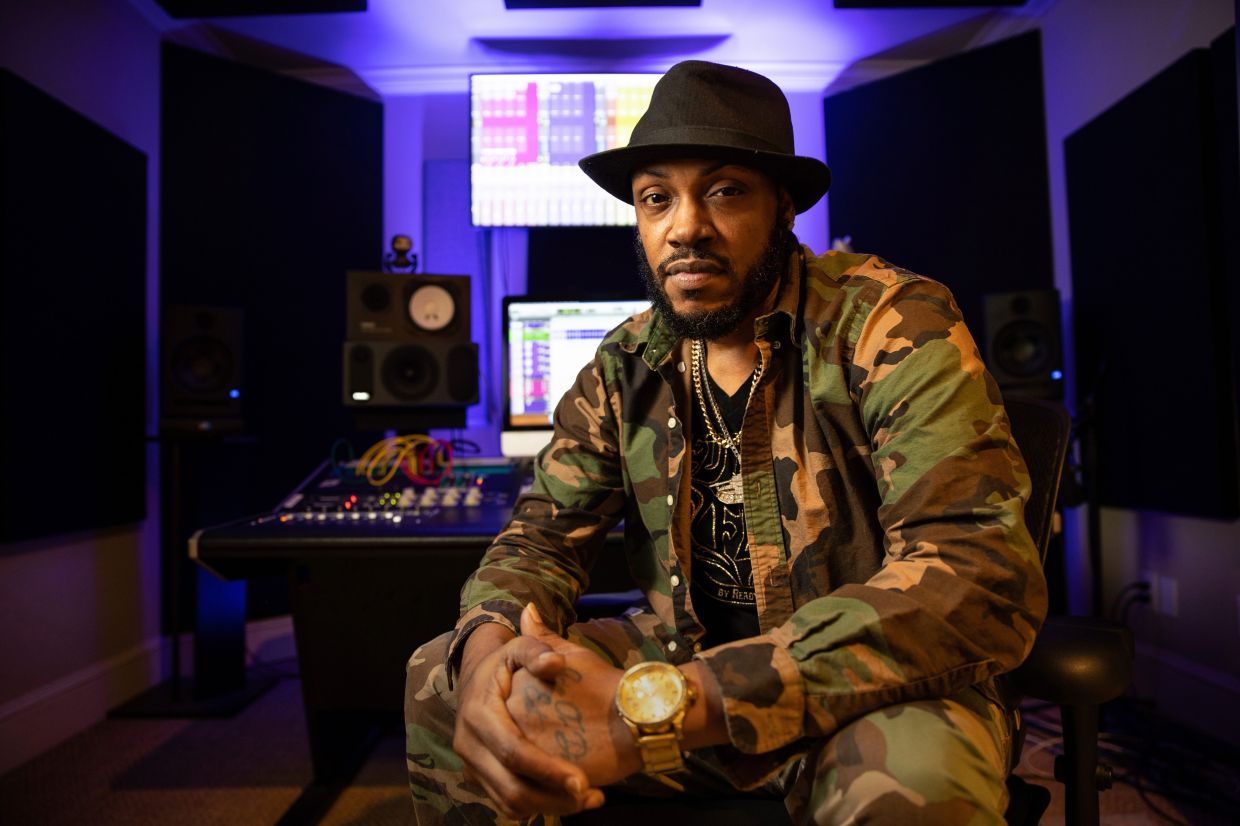
Michael Lawrence Tyler, known professionally as Mystikal, will serve two decades in prison following his conviction for third-degree rape at his Prairieville, Louisiana residence in 2022. The sentencing, handed down this week, represents a significant chapter in the career decline of an artist who achieved considerable commercial success during the 1990s and early 2000s, when he received multiple Grammy nominations.
The Louisiana-based rapper's journey through the legal system accelerated in March when he entered a guilty plea to the third-degree charge, effectively concluding what could have been a protracted trial. This plea agreement came with strategic advantages for both the prosecution and defence: it capped his maximum sentence at 20 years, five years below the statutory maximum for the offence. More significantly, the plea effectively eliminated the threat of an automatic life sentence, which would have attached had he been convicted of first-degree rape—the original charge prosecutors brought against him.
However, just days before his sentencing hearing, Mystikal attempted a dramatic reversal, petitioning the court to withdraw his guilty plea. In legal filings reviewed by ABC affiliate WBRZ, his legal representatives claimed he had not received adequate time to contemplate the full ramifications of his admission. This last-minute manoeuvre proved unsuccessful, with the judge proceeding with sentencing based on the guilty plea already entered.
The victim's impact testimony proved instrumental in shaping the sentencing outcome. She described a harrowing ordeal at Mystikal's residence, approximately 29 kilometres from Baton Rouge, in which she alleged the rapper punched her, choked her, and pulled out her braids before raping her. Her plea to the court specifically requested the maximum allowable punishment, underscoring the severity of her experience and its lasting effects.
Mystikal's own statement before sentencing appeared to acknowledge the gravity of his actions. According to WBRZ's reporting, he stated that if he had committed such acts against the judge, he would deserve the maximum sentence himself—a somewhat cryptic acknowledgement that many observers interpreted as a tacit acceptance of the consequences being imposed. This statement contrasted sharply with his earlier attempt to withdraw his guilty plea, suggesting possible counsel from his legal team regarding courtroom demeanour during sentencing proceedings.
The rapper has remained in custody at Ascension Parish Jail without bond since his arrest in 2022, meaning he has already spent considerable time incarcerated throughout the legal process. His legal representatives declined to comment immediately following the sentencing announcement, leaving public discourse largely shaped by prosecution statements and victim advocacy.
This conviction carries particular significance given Mystikal's prior sexual assault history. In 2003, he pleaded guilty to sexual battery charges and received a six-year prison sentence. That same year, despite his legal troubles, he achieved Grammy nominations in two categories, including best rap album. The timeline demonstrates how the music industry historically managed artist misconduct, often compartmentalising criminal proceedings from professional recognition and career opportunities.
Mystikal's rise to prominence during the 1990s established him as a notable figure in American hip-hop, with substantial commercial success that extended into the new millennium. His artistic contributions to rap music during that era earned him industry accolades and mainstream radio play. However, the trajectory from Grammy consideration to significant incarceration reflects broader reckoning within entertainment spaces regarding accountability for serious crimes.
For Malaysian and Southeast Asian audiences, this case illustrates ongoing patterns in American jurisprudence regarding sexual assault sentencing. The 20-year sentence, while substantial, remains considerably shorter than sentences handed down in many Commonwealth jurisdictions, including Malaysia, where sexual offences carry severe penalties under the Penal Code. The plea bargaining system that structured Mystikal's case—negotiating charges downward in exchange for guilty pleas—operates differently across legal systems, making comparison instructive for understanding divergent approaches to justice administration.
The case also underscores persistent challenges in holding entertainment industry figures accountable for serious crimes. Despite a decades-spanning period between Mystikal's 2003 conviction and his 2022 arrest, he maintained some professional presence within hip-hop circles, demonstrating how the music industry's short institutional memory can enable repeat offenders to continue working. This dynamic has received increasing scrutiny globally as the #MeToo movement and similar accountability campaigns have prompted greater transparency about historical misconduct.
Mystikal's incarceration removes him from public life for what will likely constitute the remainder of his career viability. At the point of sentencing, questions inevitably arose about how the music industry would retrospectively assess his contributions and whether streaming platforms and radio stations would continue programming his work. These decisions, largely made by corporations rather than courts, remain outside formal legal processes yet carry real consequences for artist legacies and industry accountability.
The sentencing also reinforces that proximity to wealth and celebrity status cannot wholly insulate individuals from criminal consequences in the United States, even as disparities in legal outcomes across racial and economic lines continue to animate broader criminal justice debates. Mystikal's case will likely serve as reference point for future discussions about entertainment industry accountability and the changing social expectations regarding consequences for sexual violence.