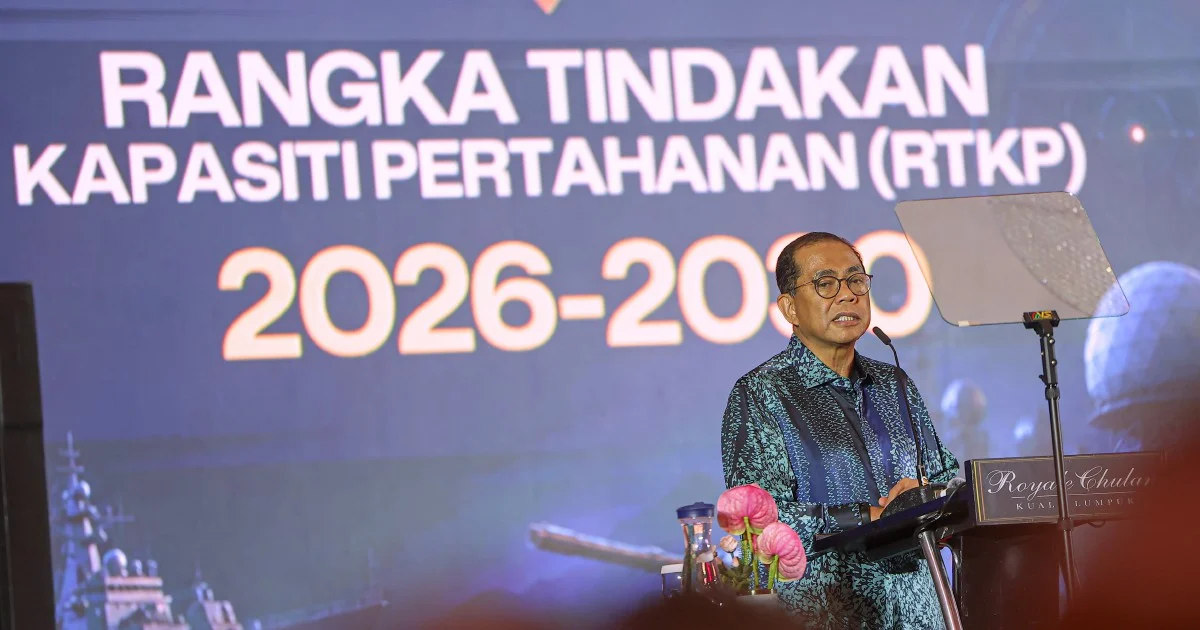
Malaysia's defence establishment has signalled its readiness to address the contentious cancellation of a missile procurement agreement with Norway linked to the Littoral Combat Ship programme. Defence Minister Datuk Seri Mohamed Khaled Nordin conveyed this position in Kuala Lumpur, indicating that despite the Norwegian government's decision to revoke the arrangement, diplomatic and technical channels remain open for discussion.
The development touches on one of Malaysia's most costly and protracted defence procurement initiatives. The LCS project, a cornerstone of the Royal Malaysian Navy's modernisation strategy, has faced numerous delays and budget challenges since its inception. The missile component—a critical element of the ships' combat capability—had been structured as a separate supply agreement with Norway, making the cancellation a significant operational concern for naval planners.
Norway's decision to withdraw from the arrangement reflects broader geopolitical sensitivities and domestic political considerations within the Scandinavian nation. The precise reasons cited by Oslo for the revocation have implications beyond the bilateral defence relationship, potentially touching on concerns about regional stability, sanctions compliance, or evolving procurement standards. For Malaysia, understanding the Norwegian government's motivations will be essential to determining the appropriate remedial approach.
The cancellation presents Malaysia with a multifaceted challenge. Operationally, it threatens to delay the LCS vessels' deployment into active service, as alternative missile systems would need to be identified, tested, and integrated—a process typically spanning months or years. Diplomatically, it raises questions about contract enforceability and Malaysia's standing among established defence suppliers. Financially, it could necessitate additional expenditure if replacement systems command higher prices or require substantial system modifications.
Malaysia's willingness to negotiate rather than escalate the dispute reflects pragmatic defence diplomacy. The government's approach suggests that rather than pursuing legal remedies or filing formal complaints through international forums, officials prefer dialogue aimed at reversing or modifying the Norwegian cancellation. This stance recognises that defence relationships, particularly with technologically advanced nations, rest on mutual benefit and cooperative engagement.
Several pathways exist for resolution. Malaysia could seek clarification of the specific concerns prompting Norway's decision, potentially addressing them through revised agreements, additional assurances, or alternative procurement structures. Norwegian officials might be persuaded to reconsider if Malaysian authorities can demonstrate that the original arrangement's underlying issues have been satisfactorily resolved. Third-party engagement from allies common to both nations could facilitate backdoor negotiations.
The situation underscores the complexities facing developing nations acquiring advanced weaponry. While Malaysia possesses the resources and strategic justification for modernising its naval forces, it remains vulnerable to unilateral decisions by supplier nations. This vulnerability has prompted Malaysian defence strategists to increasingly pursue diversified sourcing arrangements and the development of indigenous capabilities where feasible, reducing dependence on single suppliers.
For the broader Southeast Asian region, the LCS project's travails carry cautionary lessons about procurement timelines and supply chain reliability. Other nations in the region pursuing similar modernisation programmes, including naval expansion, must weigh the risks of international arms agreements against the potential for unexpected terminations or modifications by supplier governments responding to domestic political pressures or strategic reassessments.
The LCS initiative represents a substantial commitment of Malaysian national resources and political capital. Initial vessel launches have already occurred despite ongoing technical and contractual challenges. The missile cancellation, if not resolved, would render these ships less operationally effective than originally envisioned, potentially compromising Malaysia's maritime security objectives and the navy's ability to execute its responsibilities across the country's extensive offshore zones.
Defence Minister Mohamed Khaled Nordin's public statement, while measured in tone, carries significance for several audiences. It reassures the Malaysian public and parliament that the government remains actively engaged in protecting national interests. It signals to Norway that Malaysia pursues constructive solutions rather than confrontational stances. It also demonstrates to other defence partners that Malaysia values cooperative relationships and maintains flexibility in addressing disputes.
The coming weeks will prove critical as negotiations advance. Malaysia's negotiating team will need to balance firmness in defending its contractual rights against flexibility that might enable Norway to withdraw its decision without losing face domestically. Success would restore the LCS project to its original operational specifications, while failure could force Malaysia to undertake costly and time-consuming system modifications or seek alternative sources in a competitive international market.
This episode illustrates how defence procurement, far from being purely technical or commercial matters, intersects with diplomacy, geopolitics, and shifting international relationships. For Malaysia, the challenge lies in converting goodwill and diplomatic engagement into concrete outcomes that restore the LCS project's operational timeline and effectiveness while maintaining strategic relationships essential to regional security.

