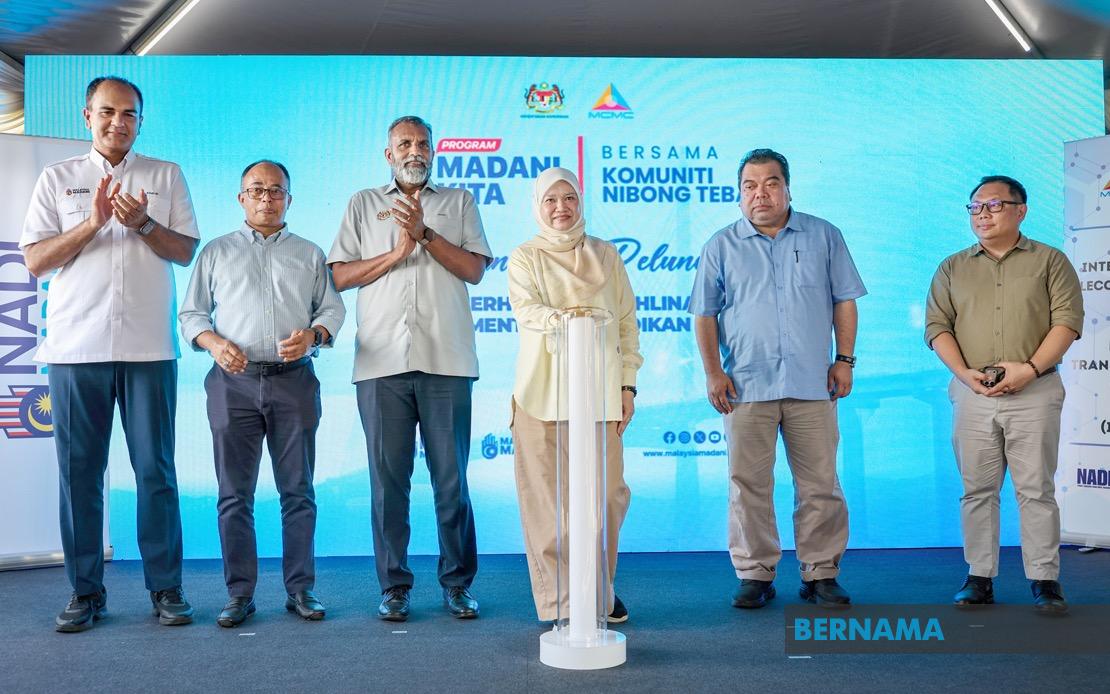
Malaysia's government is deepening its commitment to bringing public services directly to communities through an expanding network of engagement programmes. The Communications Ministry has so far conducted 41 MADANI Kita initiatives, positioning these events as a strategic response to public demand for more accessible and responsive government administration. The effort represents a shift from traditional one-way information distribution towards interactive platforms where citizens can engage meaningfully with policymakers and service providers.
The programmes operate as collaborative ventures involving multiple government bodies under a unified framework. The Community Communications Department, Malaysian Information Department, and Malaysian Communications and Multimedia Commission work together through the National Information Dissemination Centre to coordinate these initiatives. This interagency approach reflects recognition that effective public service delivery requires coordination across sectoral boundaries. Rather than operating in silos, government bodies pool resources and expertise to create comprehensive engagement platforms that serve diverse community needs simultaneously.
According to Communications Ministry deputy secretary-general Mano Verabathran, the underlying philosophy prioritises tangible demonstration of government initiatives over passive information dissemination. Citizens increasingly expect to witness practical benefits and understand how policies translate into improved daily life. The MADANI Kita model addresses this expectation by creating spaces where people can ask questions, seek clarification on government programmes, and voice concerns directly to officials. This direct interaction mechanism helps reduce the gap between policymaking at the federal level and community understanding at the grassroots.
The programmes extend beyond conventional government service displays to encompass activities spanning technology, education, skills development, and community welfare. Youth engagement receives particular emphasis through competitions and talent development opportunities that combine entertainment value with substantive skill-building. The integration of e-sports into programming reflects awareness that contemporary audiences, particularly younger demographics, engage more readily with activities aligned to their interests. By embedding government messaging within activities that hold genuine appeal, MADANI Kita makes civic participation and government interaction more organic and voluntary rather than obligatory.
The Nibong Tebal programme launch, officiated by Education Minister and local Member of Parliament Fadhlina Sidek, demonstrates high-level political endorsement of the initiative. Educational linkages are particularly relevant given Malaysia's ongoing development priorities in human capital and skills upgrading. When education ministry leadership participates directly in community engagement, it signals that government views these interactions as important policy channels rather than supplementary outreach activities.
Recent attendance figures provide evidence of public appetite for these programmes. The MADANI Kita Permatang Pauh event drew more than 17,000 participants when held alongside the Penang International Halal Expo 2026, indicating that integration with existing community events enhances reach and accessibility. Coupling government engagement programmes with established annual or regular community festivals creates natural gathering points where larger populations can simultaneously access government information and services. This piggyback approach represents efficient use of existing infrastructure and event management capacity.
For Malaysian policymakers and administrators, the MADANI Kita framework addresses a persistent challenge in governance: ensuring that government services and policies reach populations beyond urban centres and formal bureaucratic channels. Community-based engagement programmes help identify service gaps, gather feedback on implementation challenges, and build public confidence in government responsiveness. The direct interaction model particularly benefits rural and semi-urban communities that may have limited regular contact with federal agencies.
The emphasis on direct engagement carries implications for government accountability and transparency. When officials interact directly with communities, explanations of policy rationale and implementation timelines become subject to immediate public scrutiny. Citizens can follow up on promises made, track progress on initiatives discussed, and provide real-time feedback on service quality. This transparency mechanism, operating at the community level, complements formal parliamentary oversight and media scrutiny as a accountability channel.
From a regional perspective, Malaysia's MADANI Kita approach offers lessons for other Southeast Asian governments navigating similar challenges of bridging the gap between national policy and community experience. The structured coordination of multiple agencies, integration with existing community events, and emphasis on youth engagement through contemporary activities demonstrate practical models that other nations implementing decentralisation or community-centred governance reforms might adapt. As governments across the region prioritise public service delivery and citizen satisfaction, Malaysia's documented approach to systematic grassroots engagement provides relevant reference points.
The programme's focus on technology and digital skills also reflects Malaysia's strategic positioning in an increasingly technology-dependent regional economy. By incorporating digital literacy, e-sports, and technology-focused activities into community engagement, MADANI Kita helps prepare citizens, particularly younger cohorts, for evolving economic demands. Government services delivered through these programmes can simultaneously build digital competency while improving service accessibility.
Looking forward, the continued expansion of MADANI Kita programmes depends on sustained resource allocation and bureaucratic coordination. Maintaining consistency across different programme locations while remaining responsive to local community priorities requires careful management. As the initiative matures, tracking outcomes beyond attendance figures—such as citizen satisfaction with government responsiveness, implementation of community-suggested improvements, and long-term engagement patterns—will be important for evaluating effectiveness.
The Communications Ministry's investment in 41 programmes demonstrates commitment to institutionalising government-community engagement rather than treating it as occasional or event-driven. This systematic approach suggests that Malaysian policymakers view accessibility and direct public interaction as fundamental elements of contemporary governance rather than supplementary initiatives. As communities continue evolving and public expectations regarding government responsiveness shift, programmes like MADANI Kita will likely remain central to government strategy for maintaining legitimacy and improving service delivery across the nation.

