Prime Minister Datuk Seri Anwar Ibrahim has pushed back against criticism that his government has neglected the welfare and rights of Malaysia's urban poor, arguing that recent development initiatives serve as tangible evidence of the administration's commitment to inclusive governance. Speaking on the matter, Anwar stressed that protecting the interests of lower-income urban communities has remained a consistent priority, contradicting suggestions that their needs have been overlooked in favour of other policy objectives.
The Prime Minister's remarks come against the backdrop of ongoing national conversations about equitable development and the government's responsibility toward economically vulnerable populations in cities. The urban poor constitute a significant demographic in Malaysia's urban centres, where housing affordability, employment stability, and access to basic services remain pressing concerns. Anwar's statement addresses broader anxieties within this community about whether their interests receive adequate attention in government decision-making, particularly as Malaysia pursues modernization and economic restructuring.
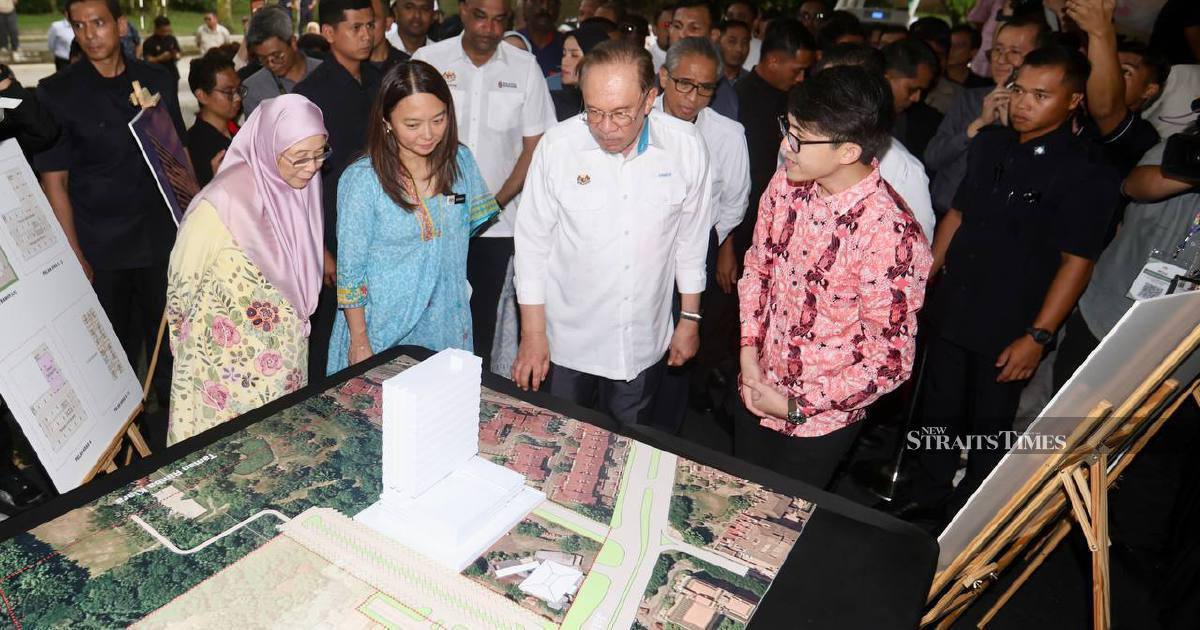
To substantiate his position, Anwar referenced specific infrastructure and social development projects as concrete manifestations of the government's commitment. These initiatives, he suggested, demonstrate that the administration actively works to improve living conditions and expand opportunities for lower-income residents. By tying abstract policy commitments to visible, on-the-ground projects, the Prime Minister attempted to make the government's position tangible and verifiable to the public.
The emphasis on project-based evidence reflects a broader challenge facing Malaysian policymakers: translating national development priorities into locally visible outcomes that resonate with ordinary citizens. Urban poor communities often form their assessments of government performance based on accessible, immediate improvements to their neighbourhoods and circumstances. By highlighting specific developments, Anwar sought to bridge the gap between policy intentions and community perception.
Inclusive governance has become increasingly prominent in Malaysian political discourse, particularly as the country navigates economic transitions and grapples with widening inequality. The urban poor, often comprising casual labourers, small traders, and service sector workers, have historically experienced volatility in income and limited access to formal credit and social safety nets. Government attention to their circumstances carries significant political weight, as this demographic represents a substantial voter base across major cities.
The government's approach to urban development has evolved in recent years, with greater recognition that infrastructure expansion must consider the needs of existing lower-income residents. Projects aimed at revitalization or modernization now increasingly incorporate provisions for protecting vulnerable populations from displacement and ensuring they benefit from improvements. This represents a shift from earlier development paradigms that sometimes prioritized large-scale projects without adequately addressing social implications.
Malaysia's urban landscape reveals stark contrasts between affluent developments and lower-income residential areas, raising questions about development equity. As cities expand and property values rise, concerns mount that urban poor communities may face pressure to relocate or lose access to affordable housing. Government initiatives that demonstrate commitment to preserving space for lower-income populations while upgrading services and infrastructure address these anxieties directly.
The political dimension of supporting the urban poor extends beyond immediate welfare concerns. Economic insecurity often drives social discontent and political volatility, affecting the stability of coalition governments. By visibly supporting this demographic, the administration aims to maintain political cohesion while addressing legitimate grievances about inequality. This balancing act requires both genuine policy interventions and effective communication about those efforts.
For Southeast Asia's broader development context, Malaysia's approach to urban poverty carries regional significance. As other countries in the region experience rapid urbanization and grapple with similar challenges of inclusive growth, Malaysian policies and outcomes can serve as instructive examples. The successes and limitations of projects designed to benefit the urban poor inform discussions about how developing nations can achieve modernization without deepening social divides.
The government's assertion that rights of the urban poor remain protected depends partly on implementation effectiveness and community perception. Policies announced with fanfare may fail to deliver expected benefits if execution falters or corruption diverts resources. Conversely, quietly implemented programmes that genuinely improve living conditions can earn grassroots support even without extensive publicity. The true measure of government commitment ultimately lies in sustained outcomes rather than rhetorical affirmations.