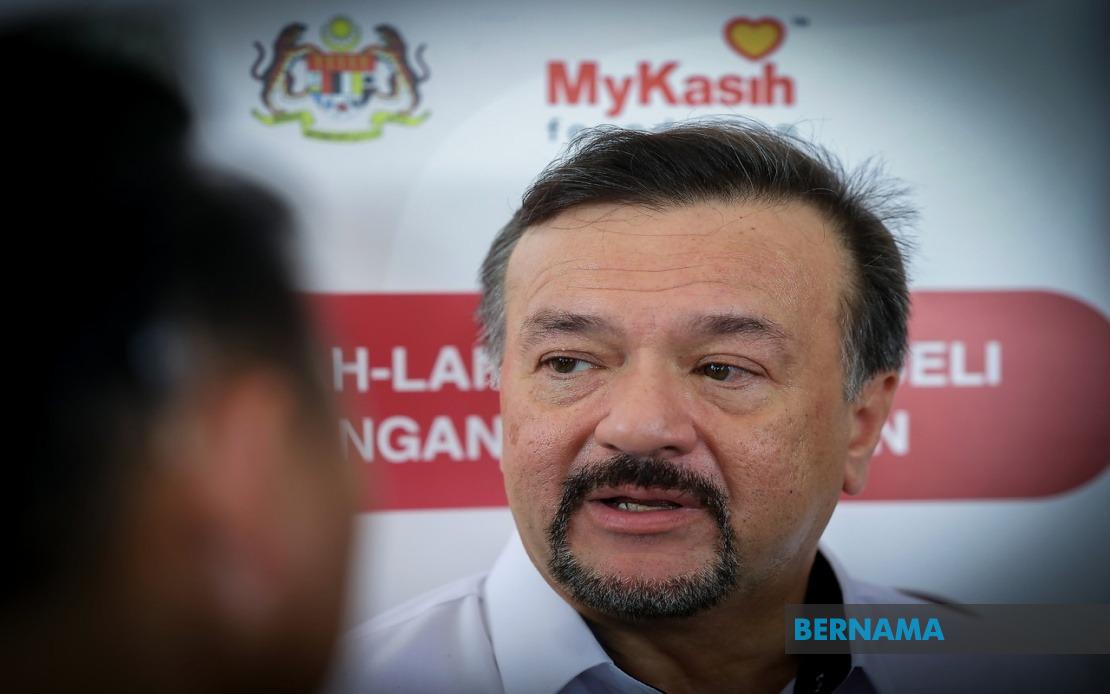
The Malaysian government maintains a receptive stance towards suggestions aimed at strengthening the BUDI MADANI Diesel initiative, with decisions on programme modifications to rest firmly on empirical evidence rather than anecdotal concerns. Finance Minister II Datuk Seri Amir Hamzah Azizan outlined this position during remarks following a media briefing on targeted diesel subsidy reforms in Kuching on Monday, signalling that the administration will continue monitoring the scheme's performance before contemplating major structural changes.
The minister's comments reflect a deliberate strategy of allowing newly implemented subsidy systems adequate operational time before rushing to restructure them. Amir Hamzah specifically referenced the existing difficulty ceiling for the RON95 petrol subsidy scheme, noting that initial complaints about quota insufficiency have proven largely unfounded once comprehensive usage statistics became available. Data spanning the first five months of 2024 reveals that merely 0.76 per cent of participating motorists exceeded the 200-litre monthly threshold, challenging early assertions that the allocation limits would create widespread hardship.
This data-driven methodology represents a marked departure from the reactive policymaking that characterised many previous subsidy schemes, where loud public complaints often drove hasty government reversals. By anchoring decisions to measurable consumption patterns rather than vocal protests, Amir Hamzah suggests the BUDI Diesel programme will enjoy greater stability and more targeted efficiency. The finance ministry's determination to establish a statistical foundation for future choices carries particular significance for Malaysian consumers, many of whom remain anxious about fuel pricing after decades of volatile subsidy adjustments.
Drawing on experience from Malaysia's targeted subsidy regime for the e-hailing sector, the minister demonstrated how empirical feedback mechanisms can support intelligent quota expansion without inflating overall expenditure. When ride-sharing drivers first enrolled in the fuel assistance initiative, complaints about constrained allocations prompted the government to undertake a comprehensive audit of actual consumption records. Rather than implementing a blanket quota increase, officials discovered that consumption patterns varied considerably, justifying the creation of differentiated assistance tiers.
This segmented approach ultimately benefited high-mileage drivers while maintaining fiscal discipline. The e-hailing sector now operates under a two-tier quota framework, with eligible drivers accessing either 600 litres or 800 litres monthly, depending on their demonstrated fuel requirements. Such nuanced targeting prevents wastage, deters artificial hoarding, and ensures that subsidy resources flow most abundantly towards those with genuine operational needs. The successful implementation of this flexible architecture in the ride-sharing sphere suggests that comparable mechanisms might serve the broader motoring population equally well.
The government's professed willingness to revisit programme parameters based on operational experience extends beyond mere rhetorical commitment. Works Minister Datuk Seri Alexander Nanta Linggi's attendance at the Kuching briefing underscored the whole-of-government character of the subsidy reform initiative, with multiple agencies coordinating implementation and feedback collection. This cross-ministerial engagement suggests that concerns arising from various constituencies will receive serious institutional attention rather than perfunctory dismissal.
For Southeast Asian observers and regional policymakers, Malaysia's measured approach to subsidy reform offers instructive lessons. The region's governments frequently grapple with the political economy of fuel support, where legitimate equity concerns often collide with fiscal sustainability imperatives. By publicly committing to evidence-based adjustments rather than ideologically driven positions, Amir Hamzah signals that technical competence and rational analysis can shape subsidy architecture even in politically sensitive domains. This stance may encourage peer governments throughout ASEAN to adopt similarly transparent, data-anchored methodologies rather than alternating between indiscriminate universal support and abrupt elimination.
The BUDI Diesel programme itself represents a deliberate pivot towards narrow targeting, restricting fuel assistance to specified categories of users—primarily commercial operators and essential service providers—rather than extending subsidies broadly across the population. This concentration of benefits reflects the global trend towards fiscally sustainable subsidy design, yet maintaining public acceptance of such selectivity demands consistent demonstration that the system operates fairly and efficiently. The government's commitment to periodic review based on actual consumption data provides the transparency necessary to sustain what might otherwise provoke resentment among excluded groups.
For Malaysian motorists and businesses dependent on diesel fuel, the finance ministry's posture offers neither guarantees of expansion nor assurances of immobility. Instead, it promises rational evaluation of genuine operational challenges as they emerge from the programme's ongoing execution. This calibrated approach should appeal to pragmatically minded stakeholders who prefer predictability and evidence-based governance over reactive populism. Whether the scheme ultimately requires quota adjustments, expanded beneficiary categories, or structural redesign will depend on patterns that only sustained implementation can reveal.
The broader context of Malaysia's subsidy reform agenda underscores why measured implementation and regular data review matter significantly. The government has staked its fiscal credibility on the proposition that targeted assistance can serve equity objectives while preserving budgetary stability. If programme adjustments result from careful analysis rather than succumbing to initial complaints, the administration strengthens its capacity to undertake comparable reforms in other sectors where universal subsidies have strained government finances. Conversely, hasty capitulation to early feedback would reinforce the cycle of unstable policymaking that has historically undermined subsidy effectiveness.
As the BUDI Diesel initiative enters its operational phase, the government's declared openness to refinement, tempered by insistence on empirical grounding, represents a mature approach to managing competing demands on limited resources. The success of this model will likely influence how Malaysia and its regional neighbours address future subsidy challenges, whether in energy, transportation, or other domains where the tension between affordability and sustainability remains perpetually acute.

