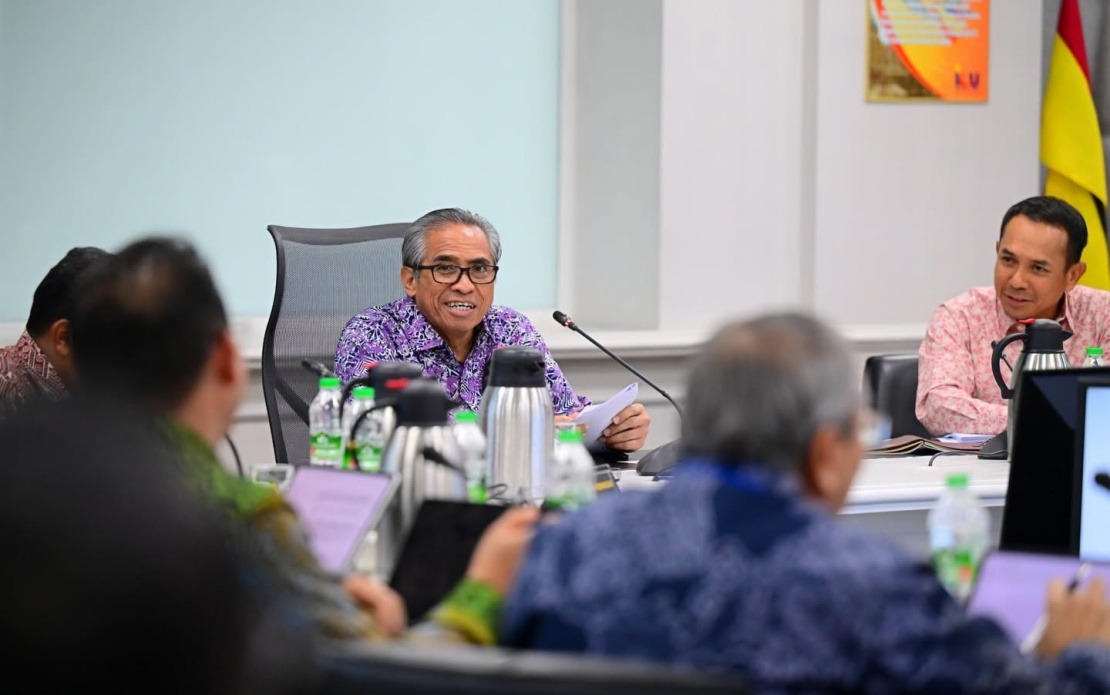
The Malaysian government is embarking on an ambitious nationwide push to complete more than 40,000 small-scale development projects, with the country's Chief Secretary to the Government positioning these initiatives as key priorities for immediate implementation. Tan Sri Shamsul Azri Abu Bakar announced the directive following a National Development Action Committee meeting, establishing a fresh administrative focus on what officials describe as readily achievable infrastructure and maintenance work that can meaningfully enhance public services and living standards across communities.
The strategic shift towards prioritising these smaller projects reflects a deliberate governance approach aimed at delivering tangible benefits to citizens within compressed timeframes. Rather than pursuing large capital-intensive megaprojects that typically require lengthy planning and construction phases, the government has identified these initiatives as "low-hanging fruit"—developments that can be implemented swiftly whilst still addressing genuine public needs. This philosophy acknowledges that ordinary Malaysians often experience their immediate government services through the condition of local roads, drainage systems, school facilities, and public markets, making improvements in these areas directly visible and appreciated at the community level.
Ministry secretaries-general have been explicitly instructed to conduct regular site visits and maintain close oversight of project execution, signalling that implementation quality and timeliness are under heightened scrutiny. The directive emphasises hands-on management rather than delegated, distant oversight, requiring senior officials to personally engage with progress and intervene when obstacles emerge. This accountability structure suggests the government recognises that commitment from top ministerial management can accelerate decision-making and remove administrative bottlenecks that might otherwise delay completion.
The portfolio of projects encompasses a diverse range of maintenance and upgrading work critical to public infrastructure and services. Road repairs and drainage maintenance address fundamental infrastructure challenges that affect daily life, whilst refurbishment of government quarters and school classroom repairs directly enhance working and learning environments. Healthcare facility upgrades improve service delivery in the medical sector, whilst improvements to public stalls and markets support informal traders and local economic activity. This breadth demonstrates an attempt to balance infrastructure investment across multiple sectors whilst maintaining focus on works that generate relatively quick visible results.
The projected timeline for most initiatives—completion within three to six months—distinguishes this programme from conventional long-term development cycles. This acceleration is achievable precisely because these projects typically involve repairs, upgrades, or enhancements to existing infrastructure rather than new construction from foundations. Governments can often mobilise existing maintenance budgets and personnel to execute such work more rapidly than undertaking entirely novel developments, which require extensive planning, procurement processes, and environmental assessments. The condensed timeframe also means citizens will observe tangible improvements within a single calendar year, potentially generating stronger public perception of government responsiveness.
For Malaysian states and municipalities, this initiative carries significant operational implications. Local councils will need to coordinate closely with federal ministries to identify projects eligible for implementation, prioritise work based on community need, and provide necessary local logistics support. The directive effectively cascades administrative responsibility downward whilst maintaining federal oversight, creating a hybrid governance structure where local authorities operate within nationally-coordinated parameters. States with effective local government capacity may benefit disproportionately, whilst those with limited administrative resources might face implementation challenges.
The announcement also signals a potential recalibration of development philosophy within the federal government. Malaysia's recent years have witnessed discussion and debate about development priorities, fiscal sustainability, and whether large infrastructure megaprojects represent optimal use of limited government resources. By emphasising numerous smaller initiatives rather than flagship megaprojects, the government appears to be responding to feedback that ordinary citizens derive more immediate value from reliable local infrastructure and services than from high-profile national projects. This represents a democratisation of development spending, distributing investment across numerous communities rather than concentrating resources in economically prominent locations.
Regionally, Malaysia's approach reflects broader Southeast Asian trends toward inclusive governance. Neighbouring countries including Thailand, Indonesia, and the Philippines have similarly explored decentralised development strategies emphasising community-level projects. However, Malaysia's explicit focus on completion timelines and senior official oversight suggests an effort to distinguish itself through administrative rigour and execution discipline—factors that often differentiate successful programmes from announcement-heavy initiatives. The government's willingness to commit ministry secretaries-general to personal site visits and problem-solving indicates serious intent, though sustained momentum will depend on whether bureaucratic systems can genuinely deliver the promised acceleration.
Looking forward, this initiative's success will substantially influence public confidence in government effectiveness. Citizens across Malaysian towns and villages will observe whether promised road repairs actually materialise, whether school facilities genuinely improve, and whether drainage work proceeds as scheduled. The concentrated focus on delivering visible results within six months creates measurable benchmarks against which performance can be judged. Success could validate the government's development philosophy and justify further emphasis on small-scale initiatives, whilst implementation failures might undermine confidence in stated reform commitments and raise questions about bureaucratic capacity to execute even modest projects reliably.

