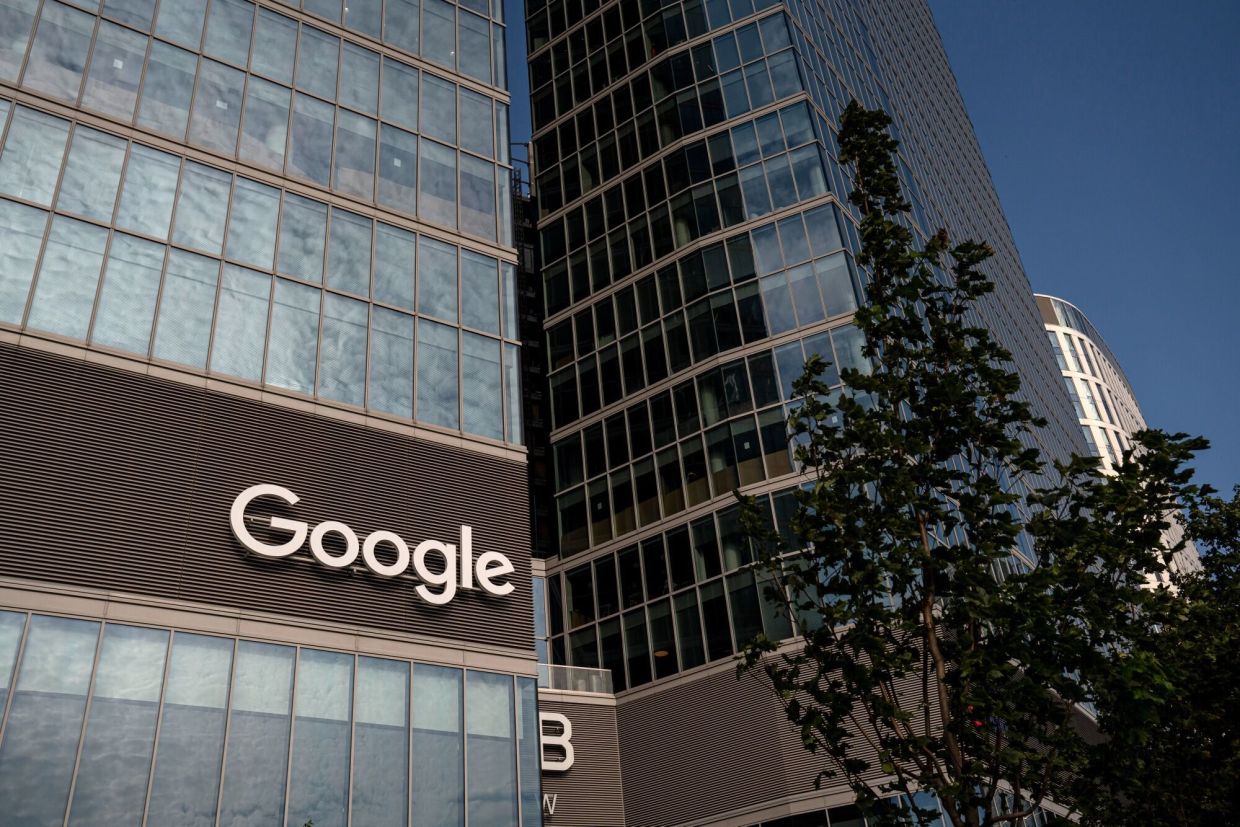
Google markets artificial intelligence hiring tools to corporations worldwide as a means to streamline recruitment by rapidly filtering through thousands of job applications and identifying the strongest candidates. Yet within the technology giant itself, researchers working on advanced AI safety have little confidence in these very systems. The irony underscores a growing tension in the employment sector: as AI-powered screening becomes increasingly commonplace, even those building these technologies acknowledge their limitations.
The AGI Safety and Alignment Team at Google DeepMind, which focuses on identifying and reducing risks posed by powerful artificial intelligence systems, has taken an unusual step to protect its own hiring process. The team distributed a confidential document—marked "PLEASE DO NOT SHARE THIS DOC WIDELY"—instructing applicants to submit a supplementary form designed specifically to bypass the company's automated screening mechanism. This circumvention route ensures applications reach human reviewers directly rather than being evaluated by algorithmic filters that the team itself characterizes as unreliable.
The internal memo obtained by Bloomberg explicitly states: "We have an applications system with a non-trivial probability your CV will be screened out incorrectly or take too long to reach us." The phrase "non-trivial probability" is corporate-speak for a meaningful risk that qualified candidates could be rejected. By directing applicants to complete the bypass form, the team effectively admits that their employer's own technology—the very technology Google sells to other companies—carries significant failure rates.
Google's official response attempts to minimize the concern. A company spokesperson denied that the screening systems filter incorrectly and framed the special form as simply an alternative pathway rather than an acknowledgement of systemic problems. The statement emphasizes that the team wanted a way to "get their resumes direct to the people on the team," presenting it as a convenience feature rather than a necessary workaround. However, this explanation rings hollow given the team's own warning about the danger of being "screened out incorrectly."
The disconnect between Google's marketing pitch and its internal practices reveals broader anxieties within the technology industry about AI-driven hiring. Across the corporate world, human resources departments have embraced algorithmic screening with enthusiasm, viewing it as a way to reduce workload and eliminate subjective bias. Google's own Workspace division, which sells business software including Google Drive, actively promotes AI features that "save HR time by quickly creating drafts for job postings, evaluating resumes, and forecasting hiring needs." This product messaging suggests that humans will gradually be removed from recruitment decisions entirely.
Yet mounting evidence suggests these systems are flawed and potentially discriminatory. A Bloomberg investigation revealed that OpenAI's ChatGPT exhibited signs of bias when evaluating candidates based on their names, potentially disadvantaging applicants from minority backgrounds. More seriously, Workday Inc., a major provider of workplace management software used by thousands of companies globally, faces legal action alleging that its AI hiring systems discriminate against candidates on the basis of race, age, and disability. Although Workday has denied wrongdoing and claimed humans make final decisions, the lawsuit highlights how automated screening can perpetuate systemic inequities.
For Southeast Asian job seekers and countries in the region working to build more equitable labor markets, these revelations carry particular significance. Many Malaysian and regional companies have begun adopting AI hiring tools, often without fully understanding how they work or recognizing potential biases embedded in their training data. If Google's own safety researchers distrust their company's systems, smaller organizations with fewer resources to audit their tools should be equally skeptical.
The DeepMind team's guidance also warns against another emerging problem: job candidates gaming the system using artificial intelligence. Some applicants now use language models to craft applications, essentially fighting algorithmic fire with algorithmic fire. In response, the team counseled that applications would be "stronger without the help of AI," noting pointedly that human reviewers "get really tired of reading LLM answers, because they all sound very samey." This creates an absurd situation where candidates must avoid using AI to navigate past AI filters—a race to the bottom that undermines the stated purpose of streamlined, efficient recruitment.
The fundamental problem is one of opacity and accountability. Companies deploying AI hiring systems often cannot explain why specific candidates were rejected, making it nearly impossible for applicants to appeal or understand how decisions were made. Google DeepMind's decision to create a bypass mechanism implicitly acknowledges this accountability gap. If the company's most sophisticated AI researchers—people who understand machine learning deeply—feel compelled to circumvent their employer's hiring algorithms, it suggests these systems have progressed faster than our ability to scrutinize them fairly.
For Malaysian businesses and policy makers monitoring global technology trends, this situation offers a cautionary lesson. As organizations look to automate hiring to reduce costs and speed up recruitment, they must also invest in rigorous testing and human oversight. The goal of efficiency should not override the principle of fairness. Google's own researchers have shown that even well-resourced technology companies can build hiring systems that fail in non-trivial ways—a warning that should resonate across Southeast Asia as AI recruitment tools proliferate across the region.

