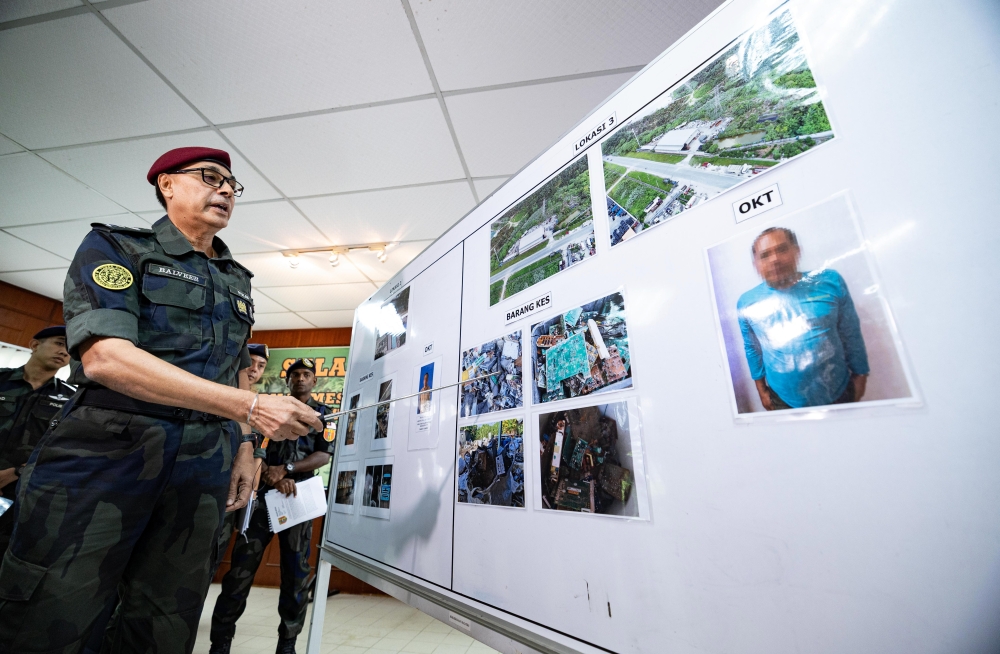
In a significant operation against environmental crime, the General Operations Force Northern Brigade has cracked down on illegal electronic waste trafficking in Ipoh, resulting in the seizure of 120,220 kilogrammes of contraband materials valued at RM9.39 million and the arrest of 14 individuals involved in the smuggling network.
The enforcement action represents an escalation in Malaysia's battle against transnational e-waste trafficking, a lucrative illicit trade that has become increasingly prevalent across Southeast Asia. Electronic waste contains hazardous materials including lead, mercury, and cadmium, which pose severe health and environmental risks when improperly processed or traded. The confiscated materials, comprising various categories of discarded electronic equipment, were destined for illegal export and processing operations that circumvent domestic and international environmental regulations.
Malaysia has emerged as a key transit point and destination for illegal e-waste shipments, despite being a signatory to the Basel Convention on the Control of Transboundary Movements of Hazardous Wastes and Their Disposal. The country's strategic location, port infrastructure, and complex supply chains make it vulnerable to smuggling networks that exploit regulatory gaps. The Ipoh operation underscores how organised criminal syndicates have embedded themselves within apparently legitimate recycling and trading enterprises, masking the true nature of their operations through shell companies and misdeclared shipments.
The 14 arrested suspects face investigation under relevant environmental and customs legislation. Authorities are examining their roles within the trafficking network, from procurement and storage to attempted exportation. Initial investigations suggest the operation was coordinated across multiple jurisdictions, with involvement from both Malaysian and potentially international organised crime elements. The scale of the seizure—equivalent to approximately 120 tonnes of waste material—indicates this was not an isolated incident but part of a sustained smuggling operation likely spanning months or years.
Implications for Malaysia extend beyond environmental protection to encompass public health concerns and regulatory credibility. Communities near illegal e-waste processing sites face exposure to toxic substances that leach into groundwater and soil, particularly affecting agricultural regions and residential areas in states like Perak. Workers within these illicit operations typically lack protective equipment and labour protections, resulting in documented cases of serious health complications. The GOF's intervention prevents further environmental contamination and protects vulnerable populations from these hazards.
The seizure also reflects growing international pressure on Malaysia to strengthen enforcement against illegal e-waste trading. Trading partners and environmental organisations have increasingly scrutinised Southeast Asian nations' capacity to intercept smuggled materials. Each successful operation like the Ipoh raid demonstrates institutional capability and commitment to compliance with Basel Convention obligations, potentially reducing reputational damage that could affect Malaysia's trade relationships and investment climate.
Electronic waste trafficking generates substantial profits for criminal networks due to the high recovery value of precious metals, rare earth elements, and recyclable materials contained within discarded devices. When processed through legitimate channels, e-waste represents a valuable secondary resource stream. However, illegal operators bypass environmental standards to maximise profits, employing dangerous extraction methods that contaminate surrounding areas and expose workers to lethal toxins. The RM9.39 million valuation suggests sophisticated criminal actors with deep market knowledge and established export networks.
The GOF Northern Brigade's success in this operation involved coordination with Customs Department officials and environmental compliance agencies, indicating improved inter-agency cooperation against environmental crime. Intelligence-gathering, surveillance, and enforcement coordination across state boundaries have become essential for disrupting trafficking networks that exploit jurisdictional complexities. Such operations require sustained investment in forensic analysis, supply-chain tracing, and international information-sharing protocols.
Looking forward, Malaysian authorities face mounting challenges in scaling enforcement efforts. E-waste volumes continue expanding as electronics penetration deepens across the region and product replacement cycles accelerate. Without comprehensive domestic recycling infrastructure development and stricter penalties for smuggling, criminal networks will likely persist. The government's push for Extended Producer Responsibility schemes and formal e-waste collection systems represents a complementary approach, addressing supply-side pressures that make illegal trafficking economically attractive to both operators and material suppliers.
The Ipoh raids also highlight the importance of public awareness campaigns targeting corporate and consumer participation in formal e-waste management. Many manufacturers and retailers remain inadequately educated about their obligations regarding end-of-life product management. Enhanced transparency in the recycling supply chain, coupled with certification requirements for waste handlers, could substantially reduce opportunities for illegal diversion of materials into smuggling networks.
For Southeast Asian neighbours, Malaysia's enforcement action provides both a model and a warning. As e-waste trafficking networks increasingly operate across borders, unilateral enforcement remains insufficient. Regional cooperation frameworks, harmonised regulations, and shared enforcement protocols are essential. Countries without robust enforcement capacities become convenient staging grounds for criminal operations targeting neighbours with stronger regulatory environments.
The 14 arrests and substantial material seizure represent tangible progress, yet the underlying structural factors enabling illegal e-waste trade—insufficient formal recycling capacity, weak penalties, high profitability, and transnational criminal coordination—remain formidable challenges. Sustained, resourced enforcement, coupled with systemic improvements in legitimate waste management infrastructure and international cooperation, will determine whether Malaysia can successfully disrupt these trafficking networks long-term and protect its environment and communities from the toxic legacy of the digital age.

