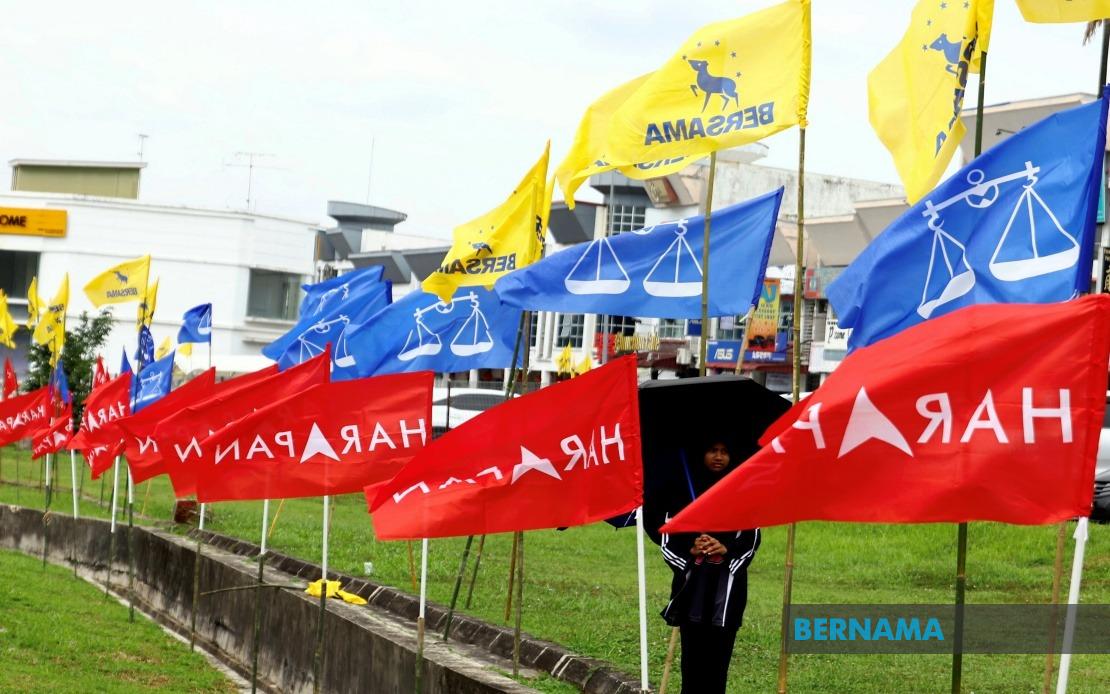
Prime Minister Datuk Seri Anwar Ibrahim has appealed directly to the people of Johor to entrust Pakatan Harapan with the responsibility of governing the state as voters prepare for the 16th Johor state election scheduled for Saturday. Speaking as chairman of the coalition, Anwar framed the election as an opportunity for PH to demonstrate its capacity to serve the southern state's interests, should voters grant them the mandate.
In a series of statements released through social media, Anwar sought to mobilise support during the final stretch of campaigning. His messaging emphasised a forward-looking vision, with the PH coalition pledging to work diligently to protect Johor's development trajectory and ensure that economic progress translates into tangible benefits for residents across all communities and income levels.
Anwar specifically directed his appeal toward Johor-born citizens living elsewhere, calling upon them to return to their home state to exercise their voting rights. This outreach reflects a broader electoral strategy by PH to maximise turnout among diaspora voters who maintain ties to the state, a demographic that could prove pivotal in a closely contested election.
In an effort to connect with voters on a cultural level, Anwar deployed traditional Malay poetry in one of his appeals. He shared a pantun that urged residents to come home carrying hopes for the state's future, invoking imagery of Johor's culinary heritage and family legacy. The verse read: "Laksa Johor tiada tandingan, Warisan nenda dikenang selalu, Ayuhlah pulang membawa harapan, Makmurlah negeri bertambah maju." This approach demonstrates PH's attempt to resonate beyond policy platforms, tapping into emotional connections and cultural identity that influence voter behaviour in Malaysian elections.
The 16th Johor state election represents a significant contest, with 172 candidates competing for 56 state assembly seats. The scale of candidacy reflects the competitive intensity of this electoral round, with multiple parties and independent candidates seeking representation. The distribution of candidates across constituencies suggests varying levels of party organisation and local support networks across the state.
For Pakatan Harapan, the Johor election carries particular significance given the coalition's need to consolidate support in key states following its victory in the 2022 general election. Johor's strategic importance stems from its economic contribution, large population base, and historical role as a BN stronghold, making any electoral gains or losses here a barometer of coalition strength in the broader Malaysian political landscape.
The timing of the election falls during Malaysia's monsoon season and mid-year period, which typically presents logistical challenges for voter turnout. Anwar's specific emphasis on encouraging diaspora voters to return home acknowledges these practical difficulties and suggests PH's internal polling may indicate competitive margins where turnout dynamics could determine outcomes in multiple constituencies.
PH's campaign messaging, as reflected in Anwar's statements, centres on a narrative of competent governance and inclusive development. The coalition appears intent on positioning itself as a custodian of Johor's interests, countering potential narratives that might portray PH as an external force imposing policies on the state. This localist framing is particularly important given Johor's distinct political culture and identity within Malaysia.
The election also occurs within a broader context of Malaysian coalition politics, where state-level contests serve as testing grounds for national alliances. The performance of PH in Johor, alongside governance outcomes in other states, influences calculations among coalition partners and opposition movements about electoral viability and power-sharing arrangements at the national level.
Anwar's dual appeals—mobilising organised party support through institutional channels while simultaneously reaching out to diaspora communities—reflect contemporary campaign strategies adapted to Malaysian demographics and technology. Social media has become instrumental in allowing political leaders to communicate directly with citizens, bypassing traditional media gatekeeping and allowing for rapid message adjustment based on electoral dynamics.

